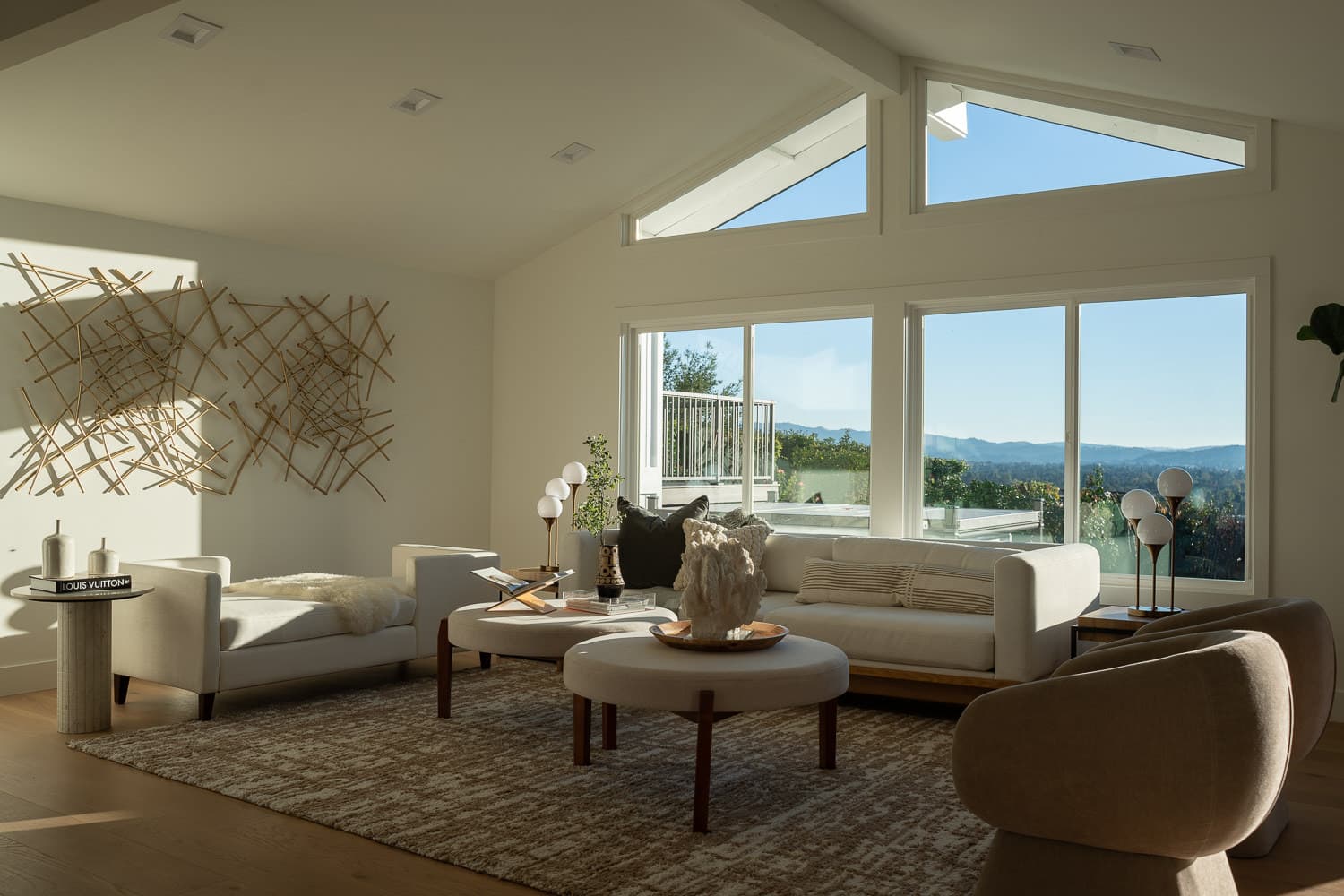
Mill Valley homes are not easy to remodel, and that is exactly why a whole-home approach makes sense here. The housing stock runs from 1920s and mid-century craftsman cottages tucked into the redwoods to hillside contemporaries with decks reaching out over the slope. Many sit on narrow, wooded lots under Mount Tamalpais, with mature trees, steep grades, and seasonal creeks shaping what can be built and where. A piecemeal renovation, one room at a time, tends to fight those constraints. A coordinated whole-home remodel works with them.
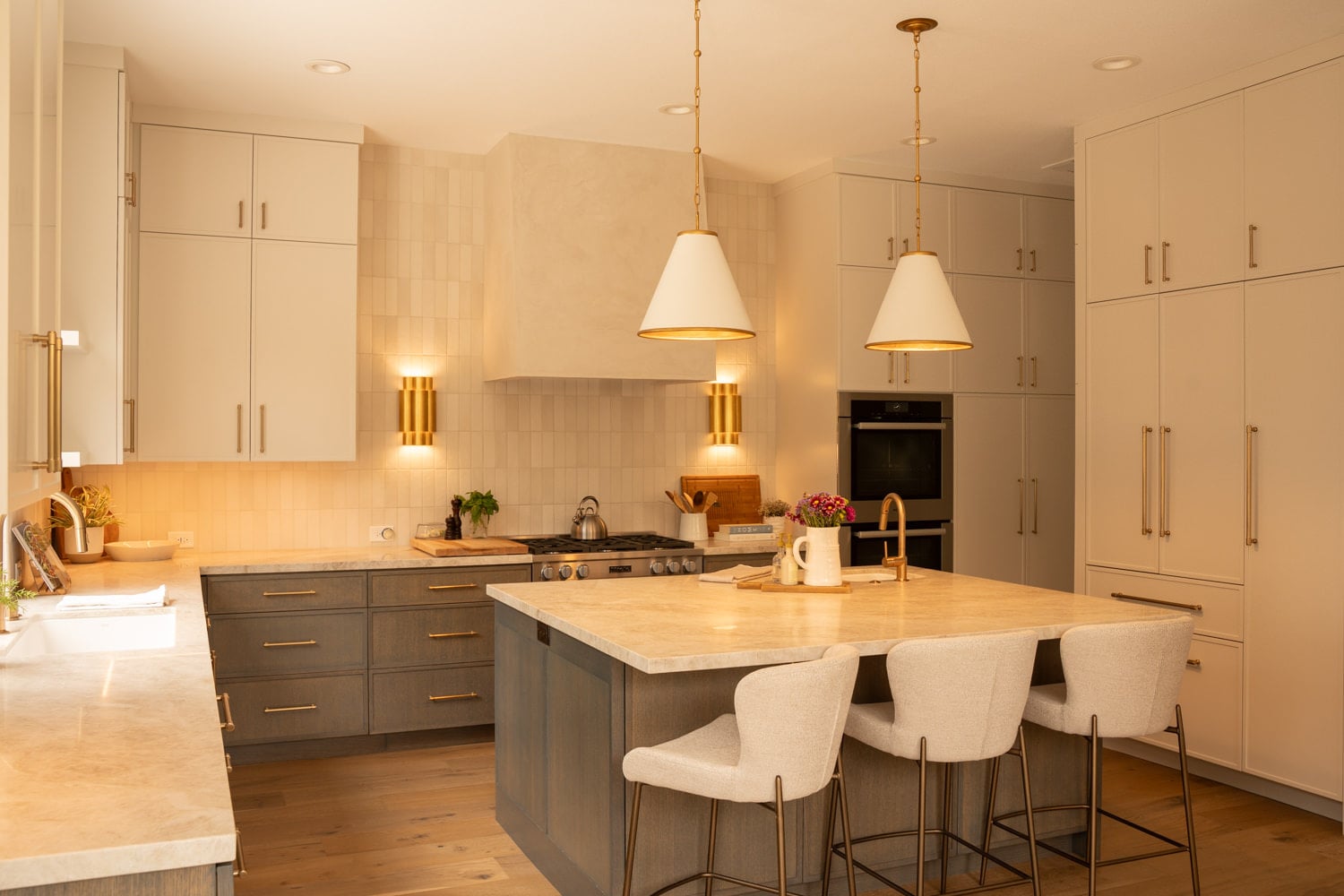
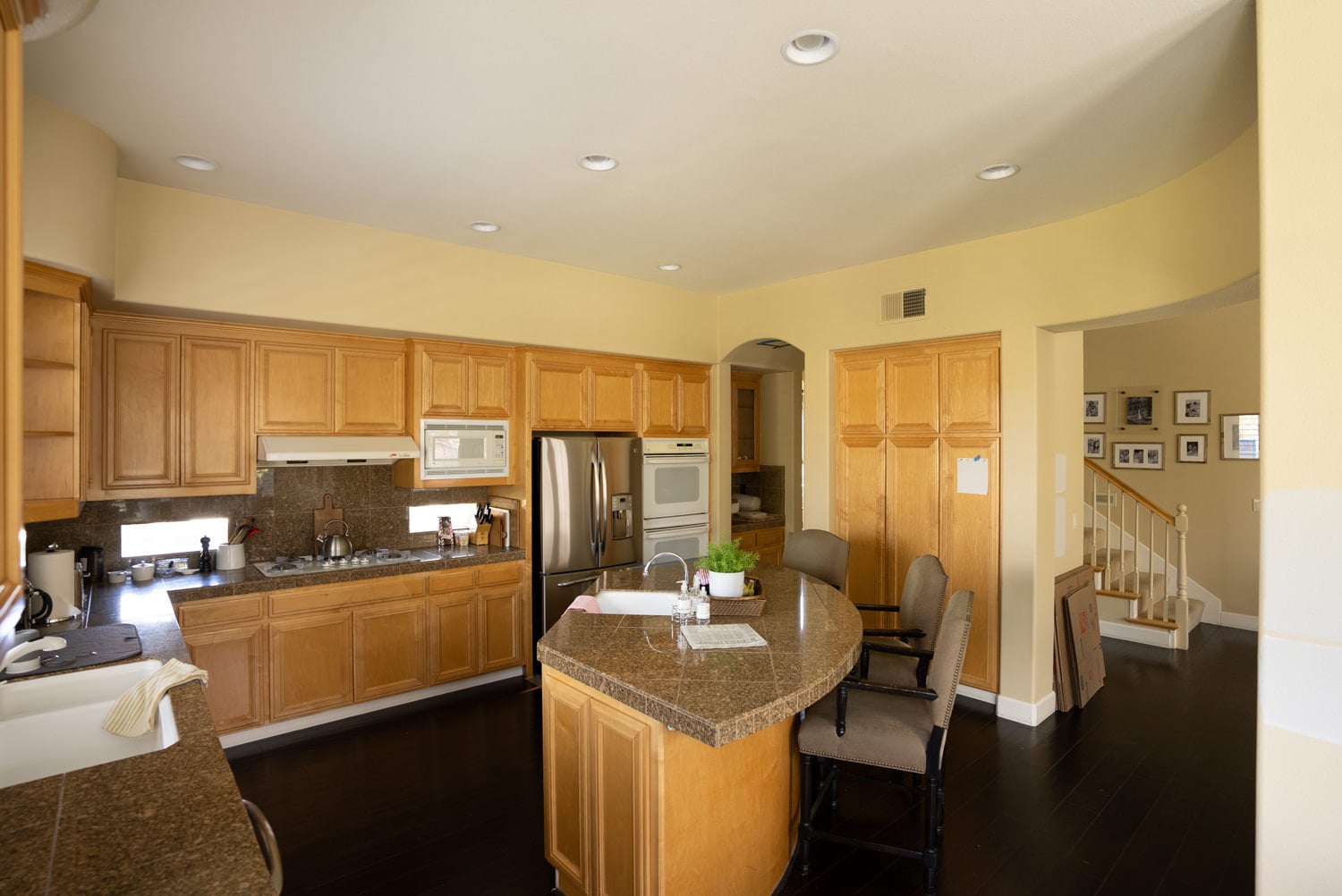
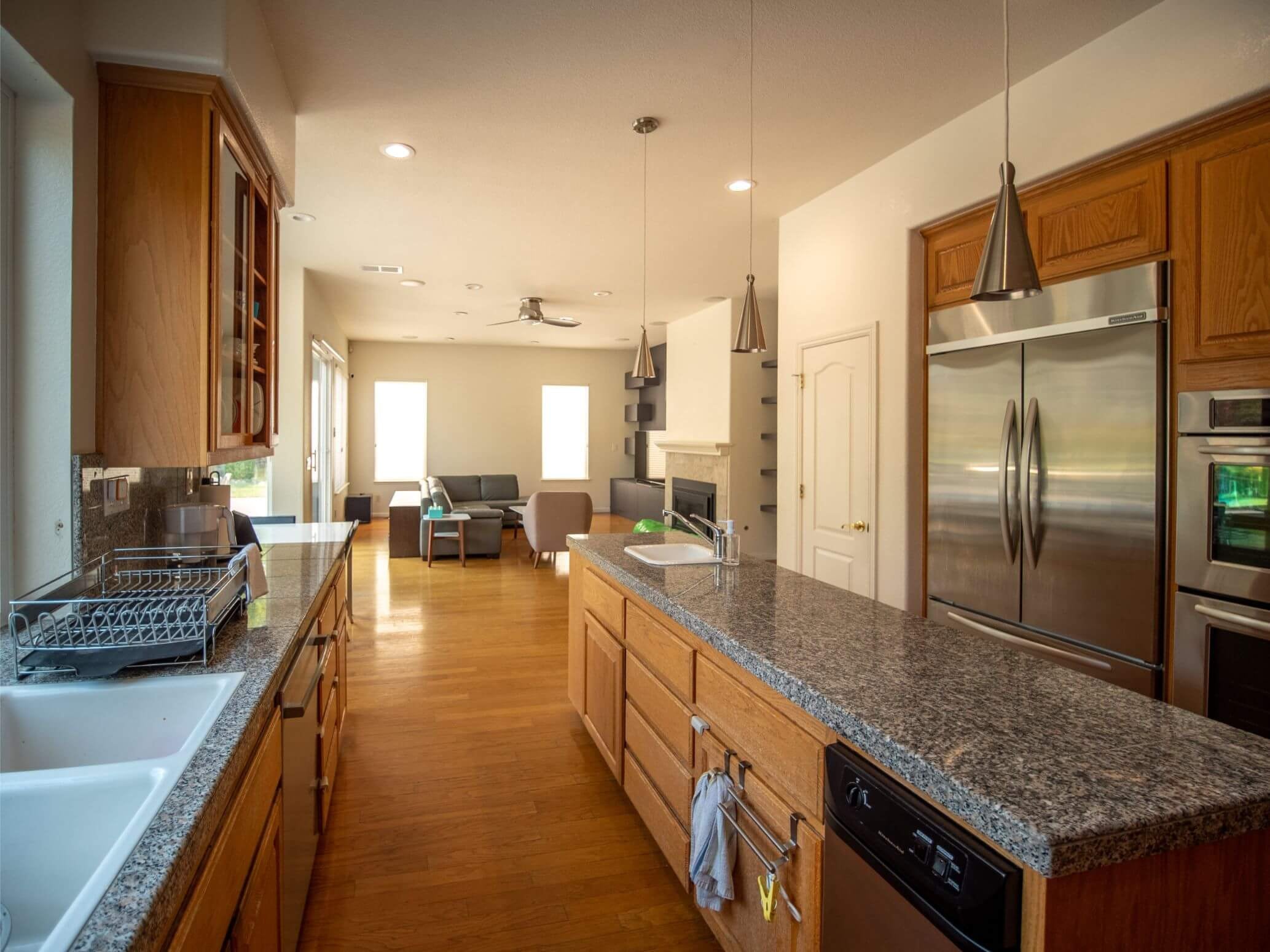
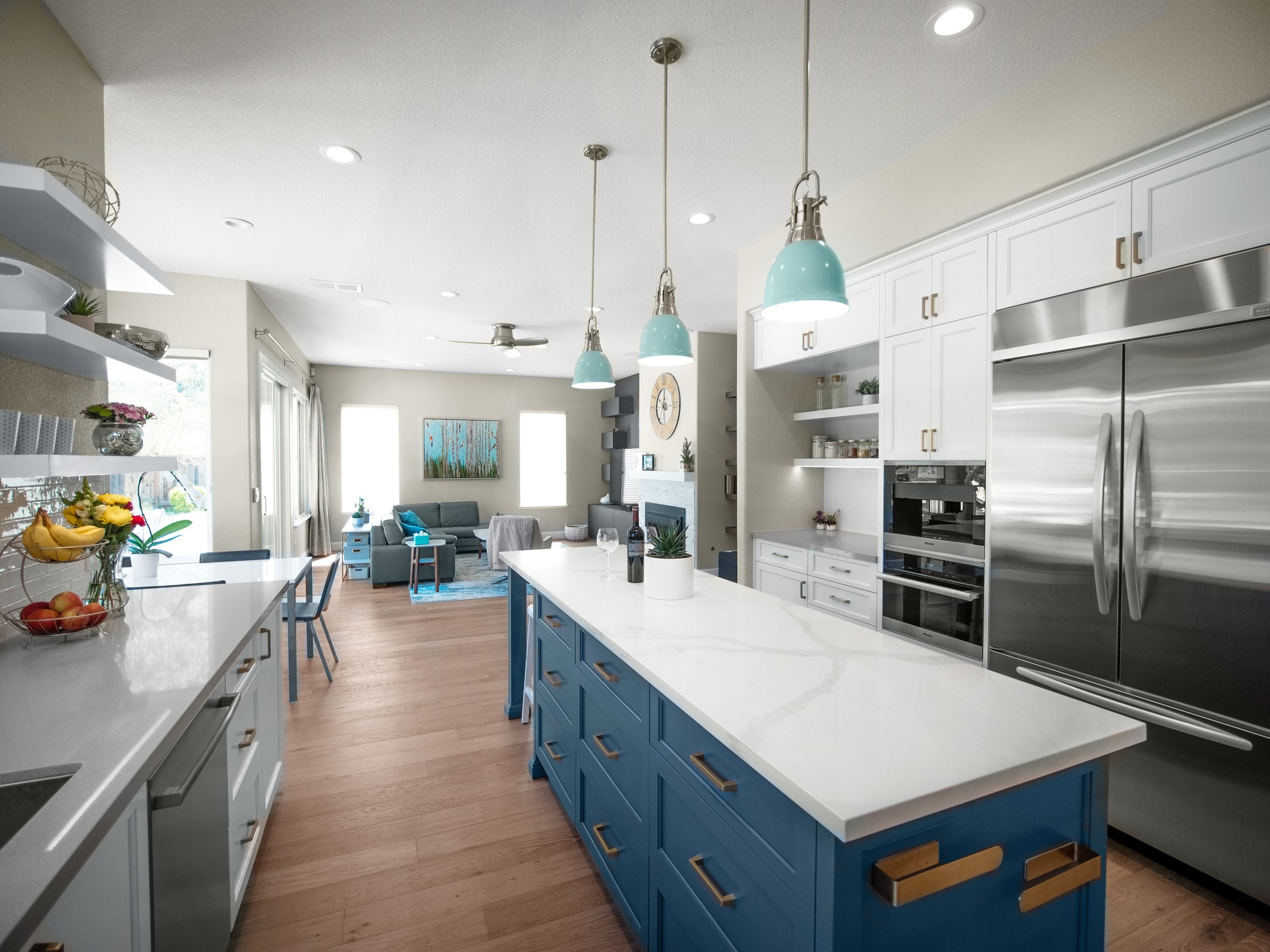
When a Mill Valley client comes to us for whole-home remodeling and renovation, they usually want the same things: more daylight, a real indoor-outdoor connection that takes advantage of the setting, and a layout that reflects how the family actually lives now rather than how the house was framed decades ago. That often means opening up a compartmentalized floor plan, reorienting living spaces toward the trees or a view of the ridgeline, rebuilding kitchens and primary suites to a current standard, and upgrading the systems hidden behind the walls. Done as one project, those moves reinforce each other instead of colliding.
What whole-home remodeling means on a Mill Valley lot
Whole-home remodeling and renovation covers the full house as a single scope: reworking the floor plan, structure, kitchen, bathrooms, finishes, and the mechanical, electrical, and plumbing systems together, often alongside an addition or a reconfigured connection to decks and outdoor rooms. On a Mill Valley hillside, that breadth is an advantage. When you are already touching foundations and framing on a sloped or downhill lot, it is far more efficient to address drainage, structural upgrades, and the indoor-outdoor transitions in one coordinated pass than to revisit them in separate, disruptive phases.
We design for the way these houses meet their sites. That can mean larger glazing and sliding walls oriented toward the redwoods, decks and terraces that step with the grade, and material choices, warm woods, natural stone, and honest finishes, that sit comfortably between the craftsman and modern traditions Mill Valley is known for. The goal is a home that feels of its place, not imported from somewhere flatter and sunnier.
The local planning and permit reality
A whole-home project in Mill Valley almost always runs through the city's planning and building review, and the wooded hillside setting is usually the reason. Lots with significant slope, protected or heritage trees, and proximity to creeks or other watercourses carry extra scrutiny, and additions or exterior changes can trigger design review depending on scope and visibility. Grading, drainage, and tree protection are recurring themes here, and fire-safety considerations matter in Marin's wildland-adjacent areas.
We treat that review as part of the design, not an afterthought. Because the whole house is on the table at once, we can resolve setback, height, slope, and tree issues holistically before drawings are finalized, which reduces the back-and-forth that stretches timelines. We will not quote you specific fees, ordinance numbers, or approval timelines on this page, because those depend on your lot and current city requirements. What we will do is walk your property early, flag the likely constraints, and build the design around them.
Why design-build instead of architect-plus-contractor
New Key Construction is a design-build firm, which means design and construction live under one roof and one contract. You are not hiring an architect, then bidding the drawings to contractors, then refereeing between them when the estimate comes back over budget or a detail does not build. One team owns the outcome from first concept to final walkthrough.
That structure changes the experience in three concrete ways:
- One team for design and build. The people designing your remodel are accountable to the people constructing it, so the design is buildable and the construction matches the intent. Questions get answered in-house instead of across a divide.
- Priced options up front. We attach real numbers to design decisions early, while you can still adjust scope, rather than discovering the cost after the drawings are done. You make trade-offs with the budget visible, not in the dark.
- 3D renderings before permits. You see your remodeled home in photoreal 3D before we submit for permits and before a wall moves. That is when changes are cheap. It also gives the city, and you, a clear, shared picture of the finished result.
For a whole-home remodel, where dozens of decisions interact across the entire house, that coordination is the difference between a smooth project and a stressful one.
What working with us looks like
We start with discovery: understanding how you live, what the house needs to become, and what your lot allows. From there we develop the design, attach pricing to the options, and produce 3D renderings so you can see and refine the result. Once the design is set and approved, the same firm pulls permits and builds it, managing the trades, the schedule, and the site so you have one point of contact throughout. Because the scope is the whole home, we sequence the work to keep the project moving and minimize the time your house is torn up.
FAQ
How long does a whole-home remodel in Mill Valley take?
It depends on the size of the house, the scope of structural and site work, and the city's review process for your specific lot. Hillside conditions, tree protection, and design review can extend the planning phase. We give you a realistic schedule once we have walked the property and defined the scope, rather than a generic number up front.
Do I need permits for a whole-home renovation?
Almost certainly. Whole-home remodeling that touches structure, layout, systems, or the exterior typically requires permits, and Mill Valley's slope, tree, and creek conditions often add planning review on top of building permits. As a design-build firm we handle the permitting process as part of the project.
What does design-build actually change for me?
You work with one team and one contract instead of coordinating an architect and a separate contractor. You see priced options and 3D renderings before permits, so cost and design are settled before construction starts. That reduces surprises, change orders, and finger-pointing.
Can you keep the character of an older Mill Valley home?
Yes. Many Mill Valley houses have craftsman or mid-century bones worth preserving. We design renovations that update layout, light, and systems while respecting the home's character and its wooded, hillside setting, blending original feel with modern indoor-outdoor living.
Do you handle additions as part of a whole-home remodel?
Yes. Additions, reconfigured decks, and new indoor-outdoor connections are often part of a whole-home scope. Addressing them together with the interior remodel is more efficient on a sloped lot than treating them as separate projects, since foundations, drainage, and structure are already in play.