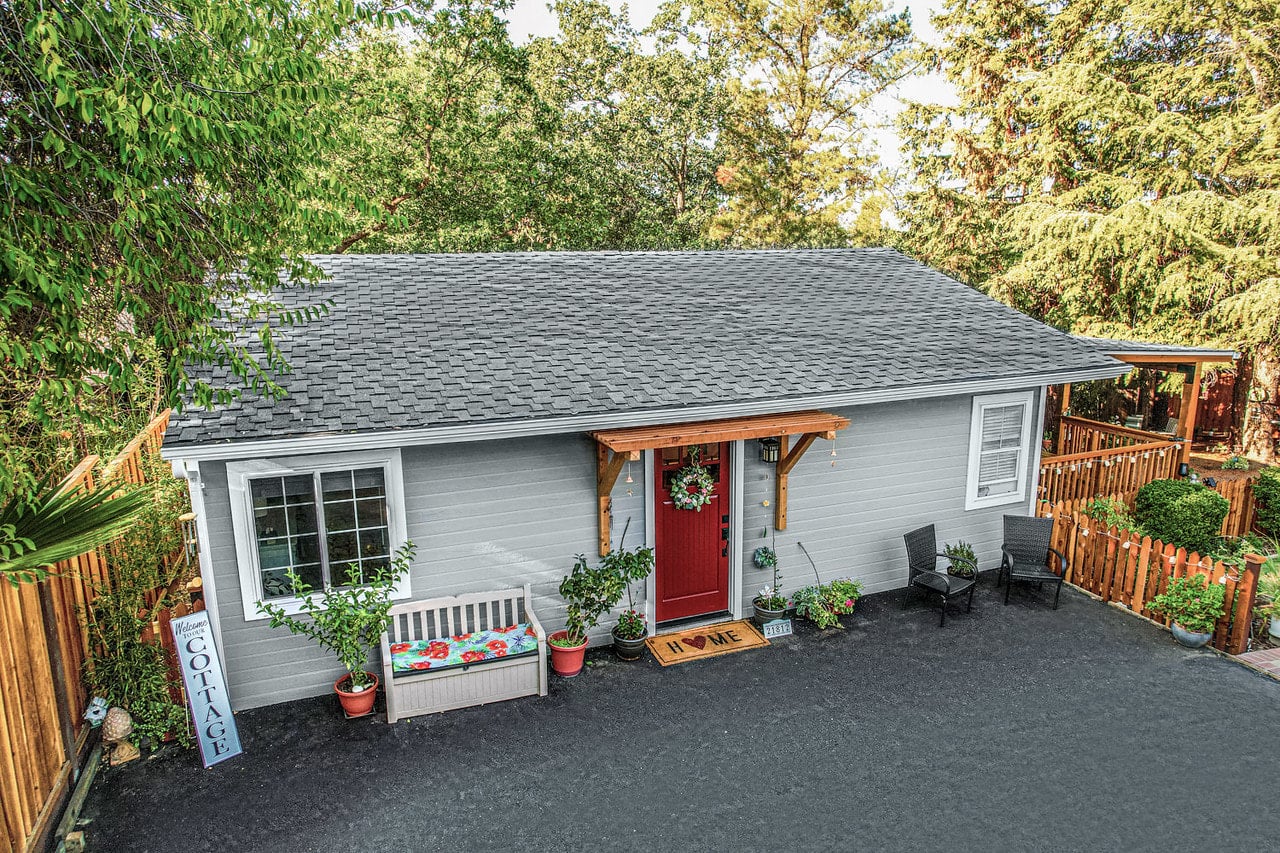
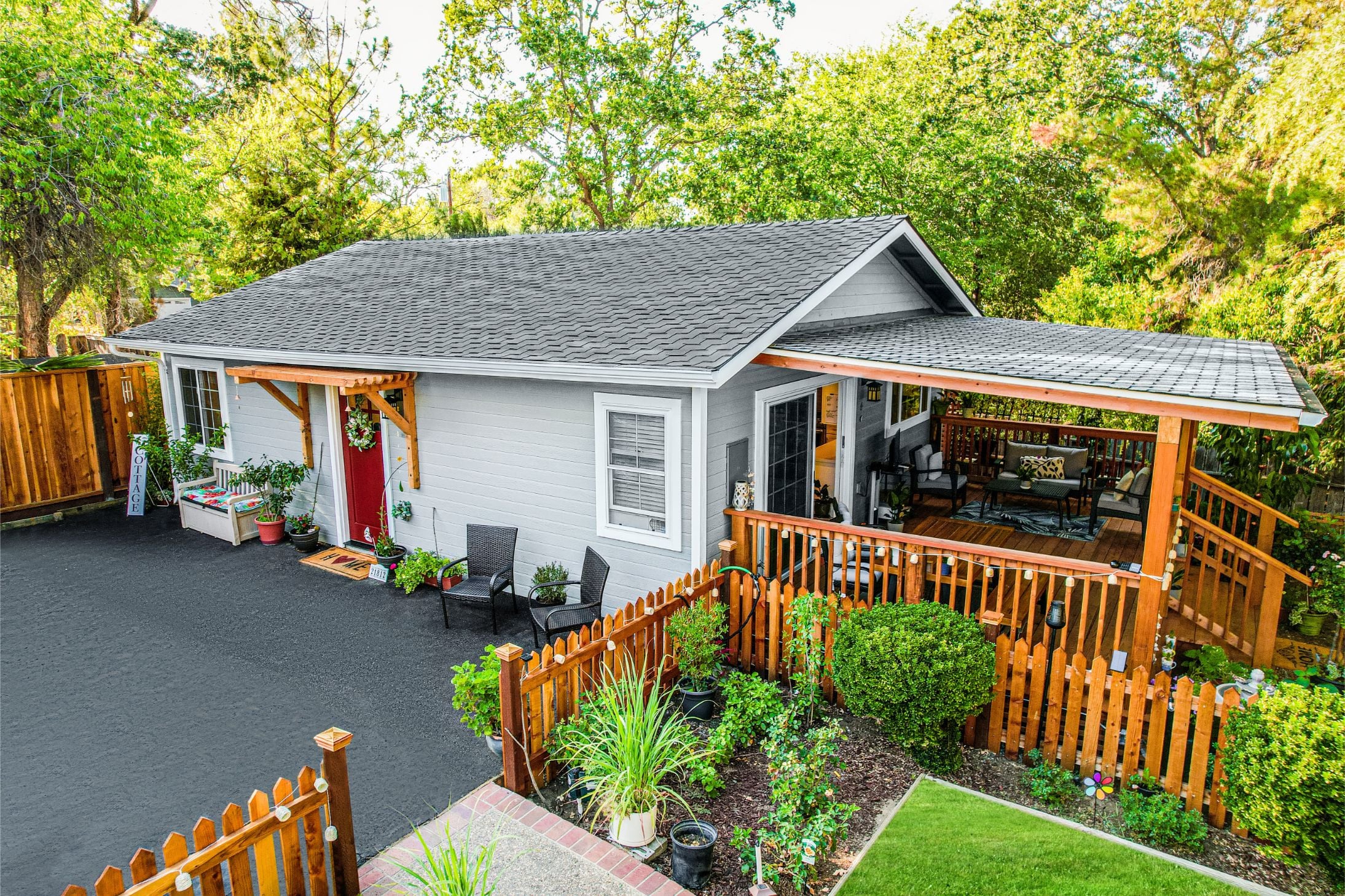
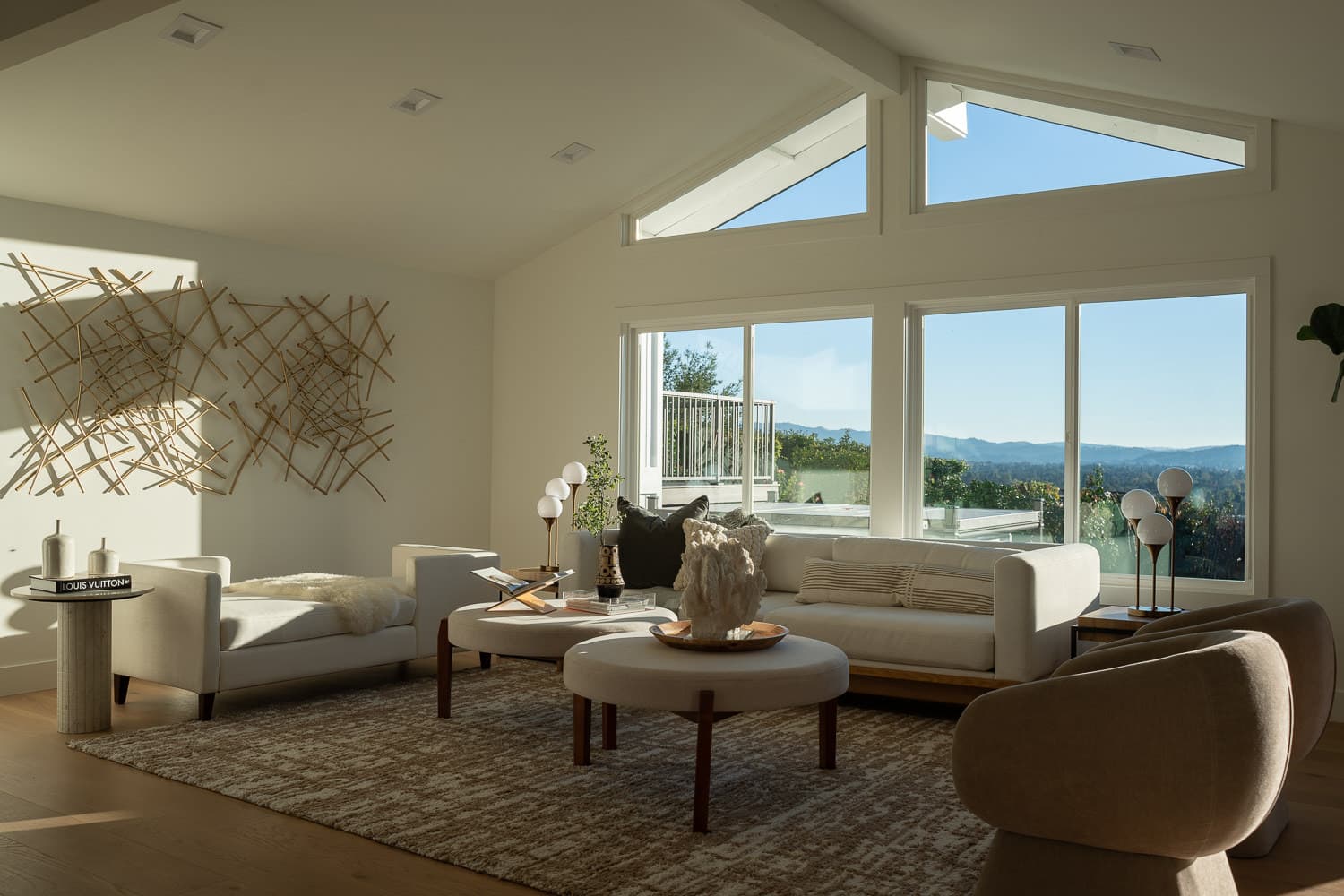
Mill Valley homes sit where the town meets the forest. Craftsman cottages tucked into the trees off Throckmorton, mid-century and modern houses stepping down wooded hillsides below Mount Tamalpais, and remodels that lean hard into indoor-outdoor living so the redwoods and the light do the talking. When a Mill Valley homeowner wants an accessory dwelling unit, they are rarely after a generic backyard box. They want a second structure that reads as part of the property, a guest suite, a home office, a rental, or a place for aging parents that respects the slope, the trees, and the quiet that drew them here in the first place.
That is the work we do. New Key Construction is a Bay Area design-build firm, and this page is about one thing: ADU design and construction in Mill Valley, handled by a single team from first sketch through final inspection.
What ADU work actually looks like on a Mill Valley lot
The constraints here are real, and they shape the design before anyone talks about finishes. Many Mill Valley parcels are sloped, narrow, or wrapped in mature trees and protected canopy. Some sit near creeks or in areas the town treats with extra care for drainage and runoff. Access for crews and materials is often tight, with steep driveways and shared lanes. A good ADU design starts by reading the site honestly: where the buildable footprint really is, how a detached unit can be set into the grade instead of fighting it, where to keep root zones intact, and how to bring in daylight without staring straight into a neighbor.
Detached ADUs, attached additions, garage conversions, and basement or lower-level units all behave differently on a hillside. A garage conversion may be the cleanest path on a flat-ish frontage. A detached studio may need a small retaining strategy and careful foundation work where the land drops away. We design for the lot you have, not a template, and we keep the architecture in conversation with the main house so the finished property feels intentional rather than added-on.
The local permitting reality
In California, ADUs are governed by a mix of state ADU law and local rules, and Mill Valley and Marin County review projects through their own planning and building departments. What that means in practice: setbacks, height, parking, tree protection, and how your lot drains all get scrutinized, and hillside or creek-adjacent sites usually invite more questions. We do not promise a specific timeline, fee, or approval, because those depend on your parcel and the current rules. What we do is design to the realities of local review from day one, prepare a complete and coherent submittal, and stay in the loop through plan check so the project keeps moving. Designing with the constraints in mind up front is the single biggest thing that keeps an ADU from stalling later.
The design-build difference
Most ADU headaches come from a split process: you hire a designer, get drawings, then go shopping for a builder who tells you the design costs far more than you planned, and the redesign loop begins. We are design-build, which means one team owns design and construction together. The practical payoffs:
- One team, one point of contact. The people designing your ADU are the people who will build it, so the drawings are grounded in what we can actually construct on your slope and at what cost.
- Priced options up front. Before you commit, you see real options with real numbers attached, not a single concept and a surprise later. You decide with the budget in front of you.
- 3D renderings before permits. You see your ADU in three dimensions, sited on your lot, before we file anything. That is when changes are cheap and easy, not after framing.
This is how we keep a Mill Valley ADU on budget and on character. Trade-offs get made with full information, and the version that goes to the town is the version you have already seen and approved.
How we work
We start with a conversation about how you will use the ADU and what your property can support, then a site review. From there we move into design with priced options, refine toward a 3D rendering you can walk through visually, and prepare the permit set. Once approvals are in hand, the same team builds it, with you informed at each stage. Because design and construction live under one roof, the handoffs that usually cause delays and finger-pointing simply are not there.
If you are weighing an ADU in Mill Valley, the best first step is a site-grounded conversation about what your lot will actually allow and what it should become.
FAQ
What types of ADUs can you build on a Mill Valley hillside lot?
We design and build detached units, attached additions, garage conversions, and lower-level or basement conversions. The right type depends on your slope, your trees, your access, and how you plan to use the space. On steeper lots we often set a detached unit into the grade and design the foundation and drainage around the site rather than forcing a flat-lot solution.
Do you handle the permits, or do I?
We handle the design and prepare the full permit submittal, and we stay engaged through plan check with the local planning and building departments. ADUs in Mill Valley fall under a combination of California state ADU law and local rules, so we design to those constraints from the start to give the project the cleanest path through review. We do not guarantee a specific approval timeline, since that depends on your parcel and current requirements.
Why design-build instead of hiring an architect and a contractor separately?
With design-build, one team owns both the design and the construction, so the drawings reflect what we can actually build on your lot and at what price. You get priced options up front and 3D renderings before permits, which means fewer surprises, fewer redesign loops, and a single point of accountability from first sketch to final inspection.
Can I see what the ADU will look like before committing?
Yes. We produce 3D renderings of your ADU sited on your property before we file for permits, so you can see the form, the materials, and how it sits against the main house and the trees. Changes are easy and inexpensive at that stage, which is exactly when we want you making decisions.
How do you protect trees and slopes during construction?
Tree canopy and slope stability are central to design here, not an afterthought. We site the structure to keep important root zones intact where possible, design foundations and any retaining around the grade, and plan crew and material access for tight or steep approaches. These decisions are made during design, before the first permit is filed, because that is when they cost the least to get right.