Additions Built for Mill Valley's Hillsides and Canyons
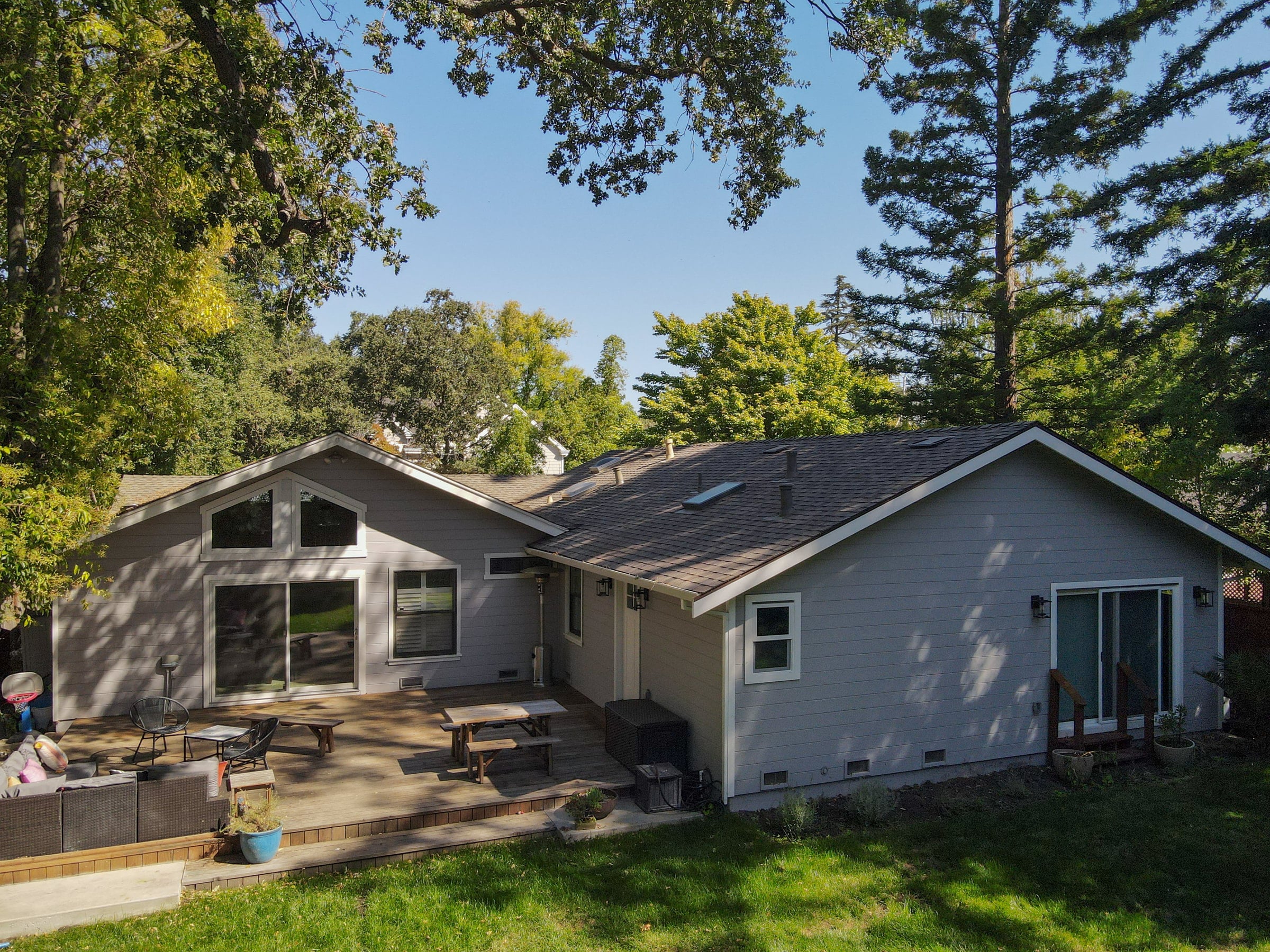
A home addition in Mill Valley is rarely a simple box on a flat lot. Most of this town climbs, from the Craftsman cottages near downtown to the custom estates tucked into Blithedale Canyon, Cascade Canyon, and Middle Ridge, where redwoods and California live oaks shade narrow, sloping parcels. Adding square footage here means working with grade, protected trees, view corridors, and neighbors who sit close above and below you. New Key Construction handles that complexity the way it should be: one team carrying your project from the first sketch to the final coat of paint, priced options up front, and photoreal 3D renderings before any permit is pulled.
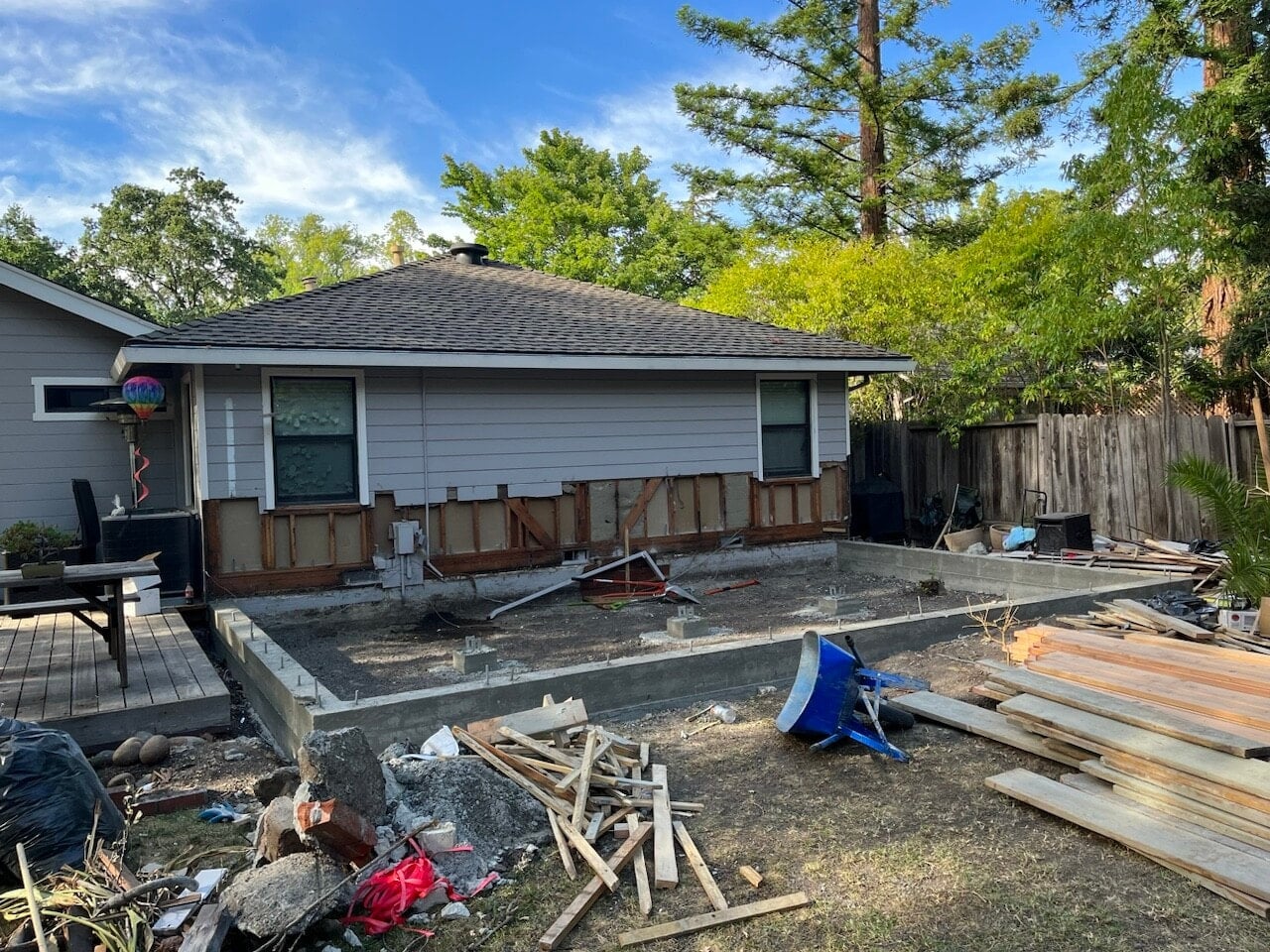
We are a Marin design-build firm, which means our designers and our builders sit at the same table. When you add a primary suite over a tuck-under garage, push a kitchen toward a deck with a Mt. Tamalpais view, or carve a family room into a hillside, the people drawing it are the people who will build it. That removes the gap where most additions lose time and money: the hand-off between an architect who has moved on and a contractor seeing the plans for the first time.
One Team, Priced Options, and Renderings Before Permits
Mill Valley additions live and die by their fit. The city's Design Review Board looks hard at massing, neighborhood compatibility, and view preservation, and homes fronting East Blithedale or sitting in RP and RSP hillside zoning districts almost always trigger planning review before a building permit can issue. We design with those realities in front of us, not as a surprise late in the process.
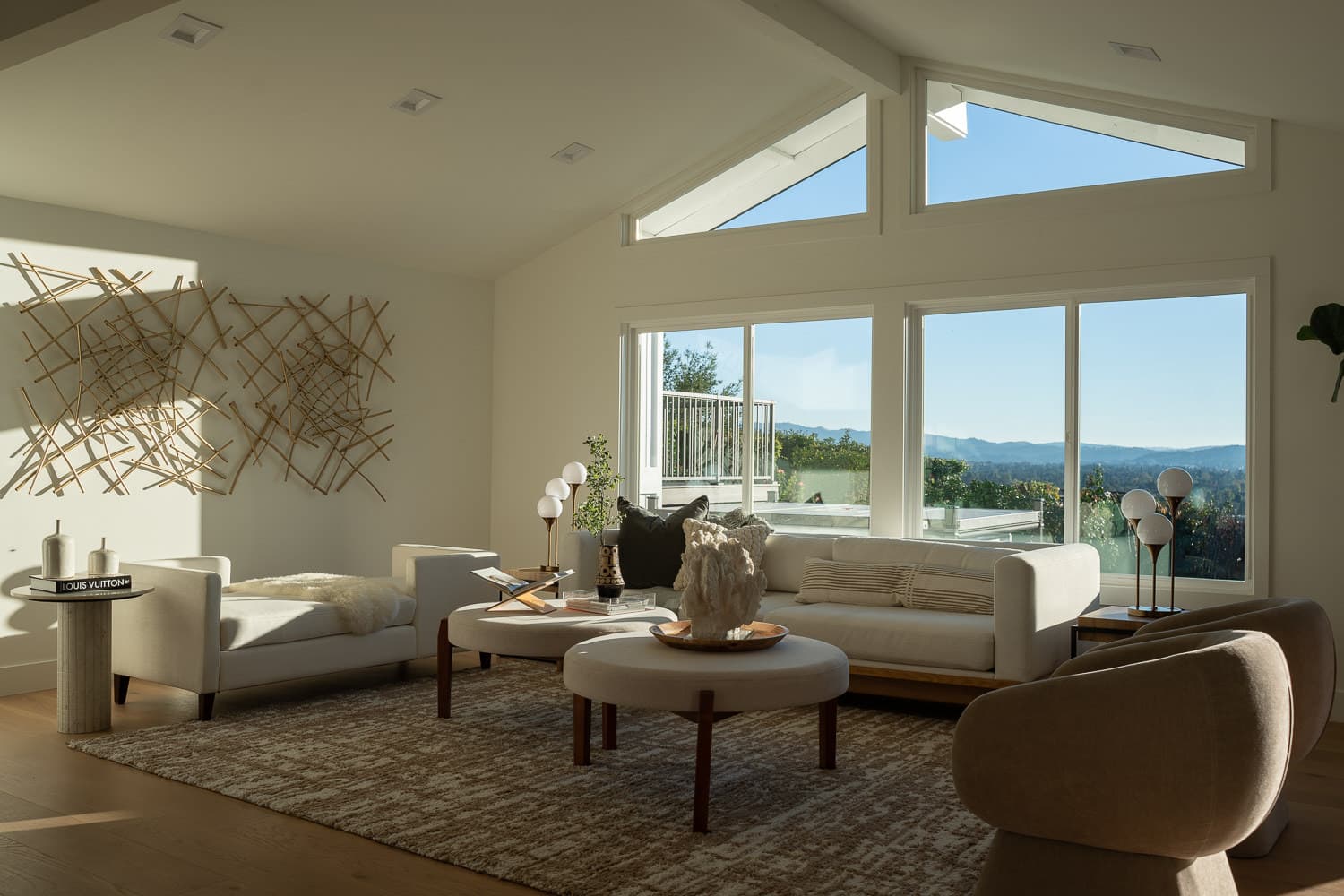
That is why every project starts with design and visualization, not a contract to swing hammers. We produce photoreal 3D renderings of your addition in context, so you can see how a new second story reads from the street, how a cantilevered room sits against the tree canopy, and how the new rooflines relate to the existing house. You see it, your neighbors can see it, and the planners can see it, all before a permit is pulled or a wall is moved.
Alongside the renderings, we put priced options in front of you up front. Instead of a single vague allowance, you get clear choices: what the conservative scope costs, what the more ambitious version costs, and where the money goes. Cedar shingle siding to match a wooded neighborhood, a steel moment frame for a downhill view wall, foundation work for an addition stepping down a slope, all of it is scoped and priced before you commit. White-glove project management keeps it organized from there, with a single point of contact, a real schedule, and a team that protects your home while you keep living in it.
Designed for Mill Valley Architecture and Terrain
Marin's defining style is mid-century modern, and Mill Valley is full of it: asymmetrical massing, cedar and redwood siding meant to weather naturally, glass that opens to the canopy, and split-level plans that follow the land rather than fight it. Our additions are designed to belong to the house they join. We are equally comfortable extending a downtown Craftsman, modernizing a 1960s hillside home, or grounding a Mediterranean villa with a more livable footprint.
The terrain drives the engineering. Hillside additions here often mean deep or stepped foundations, drainage that respects the canyon below you, tree-protection plans for redwoods and oaks, and careful staging on streets with almost nowhere to park a truck. Because design and construction are one firm, those constraints shape the drawings from day one instead of becoming change orders later. That is the practical advantage of design-build on a hard site: fewer surprises, tighter coordination, and a result that matches the renderings you approved.
Frequently Asked Questions
Do home additions in Mill Valley require design review?
Many do. The city generally requires Design Review and Planning Department approval for additions or exterior changes on homes fronting East Blithedale or sitting in RP and RSP hillside zoning districts, and the Design Review Board weighs massing, neighborhood compatibility, and view preservation. We confirm your zoning and scope early so the review path is clear before drawings begin.
How long does a Mill Valley addition take from design to permit?
A hillside addition that requires design review can take the better part of a year through design, planning approval, and the building permit before construction starts. Marin's planning staff tends to be smaller and more responsive than San Francisco's, which helps, and our up-front 3D renderings and complete drawing sets are built to move review along rather than stall it.
What does a home addition cost in Mill Valley?
Cost depends heavily on the site, since hillside foundations, structural framing for view walls, and tree protection all add to a flat-lot baseline. Rather than quote a number that cannot survive contact with your slope, we put priced options in front of you up front so you can see the conservative scope, the ambitious scope, and exactly where the money goes before committing.
Can you match my addition to the existing house and the neighborhood?
Yes. Matching is central to passing design review and to a result you will be proud of. We design additions to read as part of the original home, whether that means cedar shingle siding in a wooded canyon, mid-century massing on a hillside, or Craftsman detailing near downtown, and our photoreal renderings let you confirm the fit before anything is built.
Start With a Clear Picture
If you are weighing an addition anywhere in Mill Valley, from Homestead Valley to Blithedale Canyon, start by seeing it. New Key Construction will design your addition, render it in photoreal 3D, and put priced options in front of you before a single permit is pulled. Reach out to begin, with one team carrying your project from first sketch to final walkthrough.