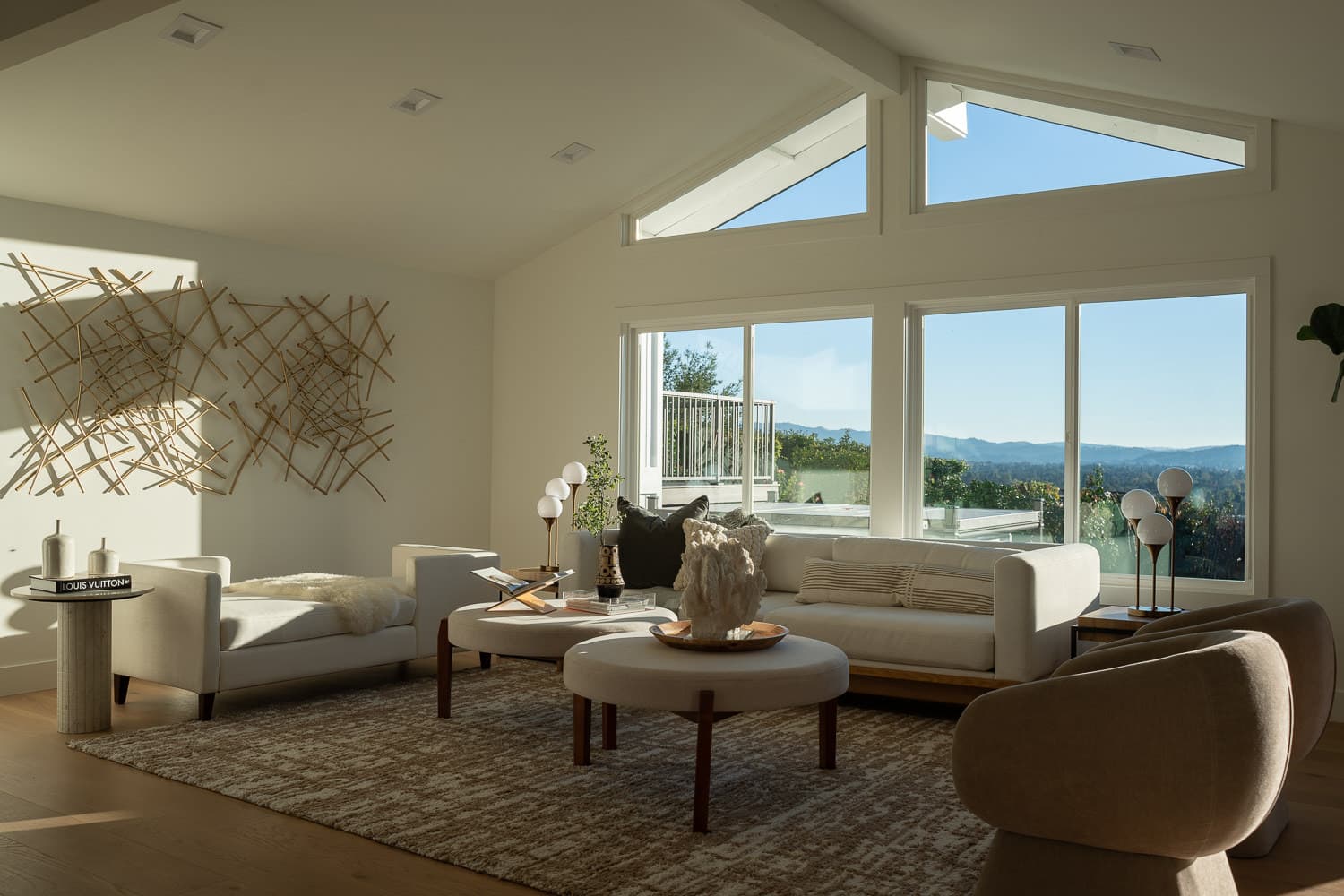
Building on a Mill Valley hillside, with one team
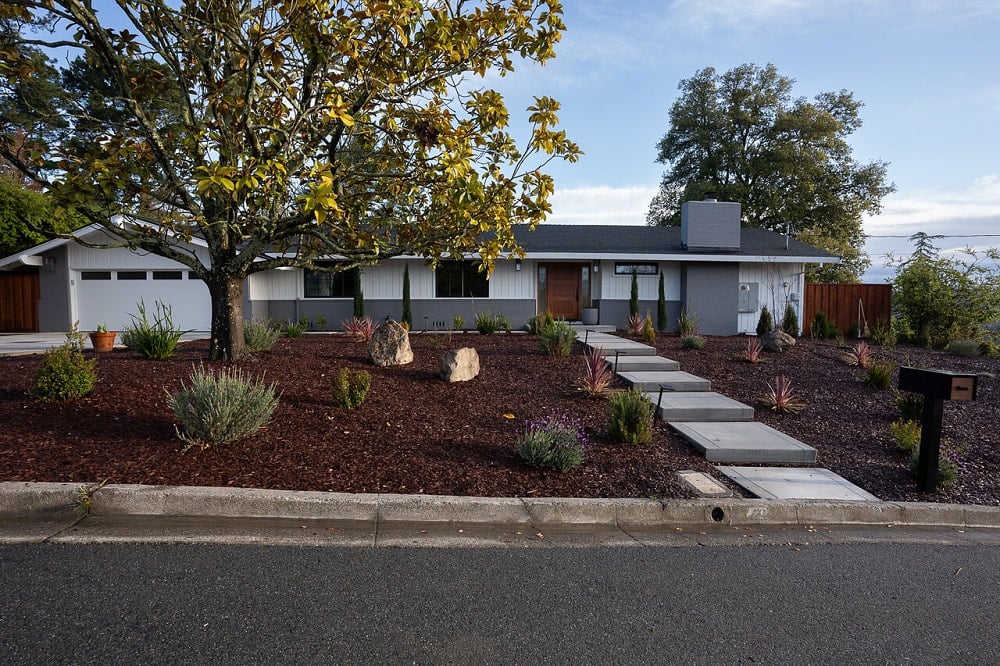
Mill Valley homes rarely sit on flat, forgiving lots. They climb wooded hillsides under Mt Tam, tuck between redwoods, and often share a parcel with a seasonal creek or a steep downslope. The houses that suit this landscape tend to be indoor-outdoor moderns and updated craftsman homes that open to decks, filtered light, and tree canopy. A high-end Mill Valley client usually wants the same thing from a remodel or new build: a home that feels calm and connected to the site, with one accountable team rather than a designer and a builder pointing at each other when the slope, the trees, or the budget pushes back.
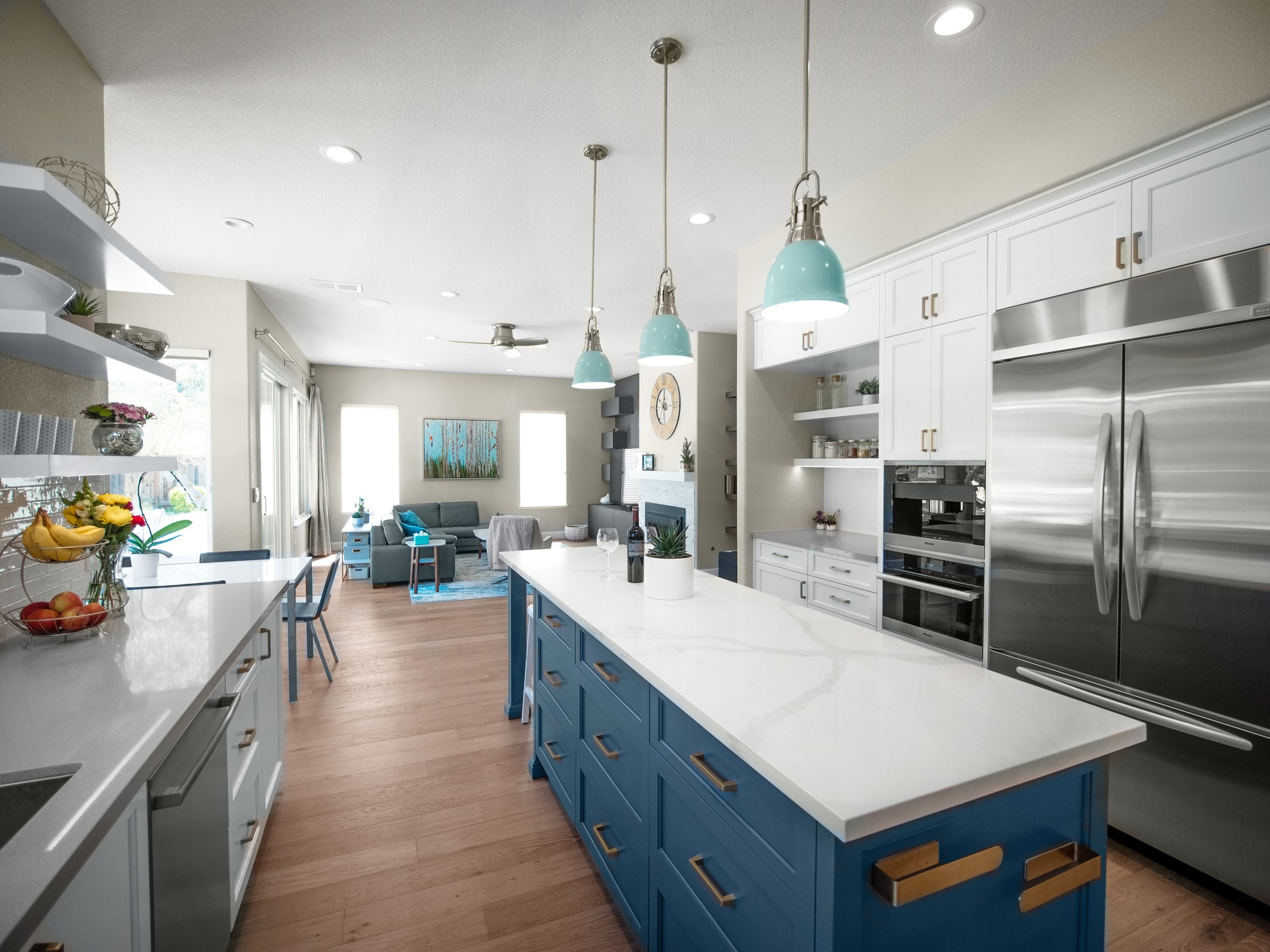
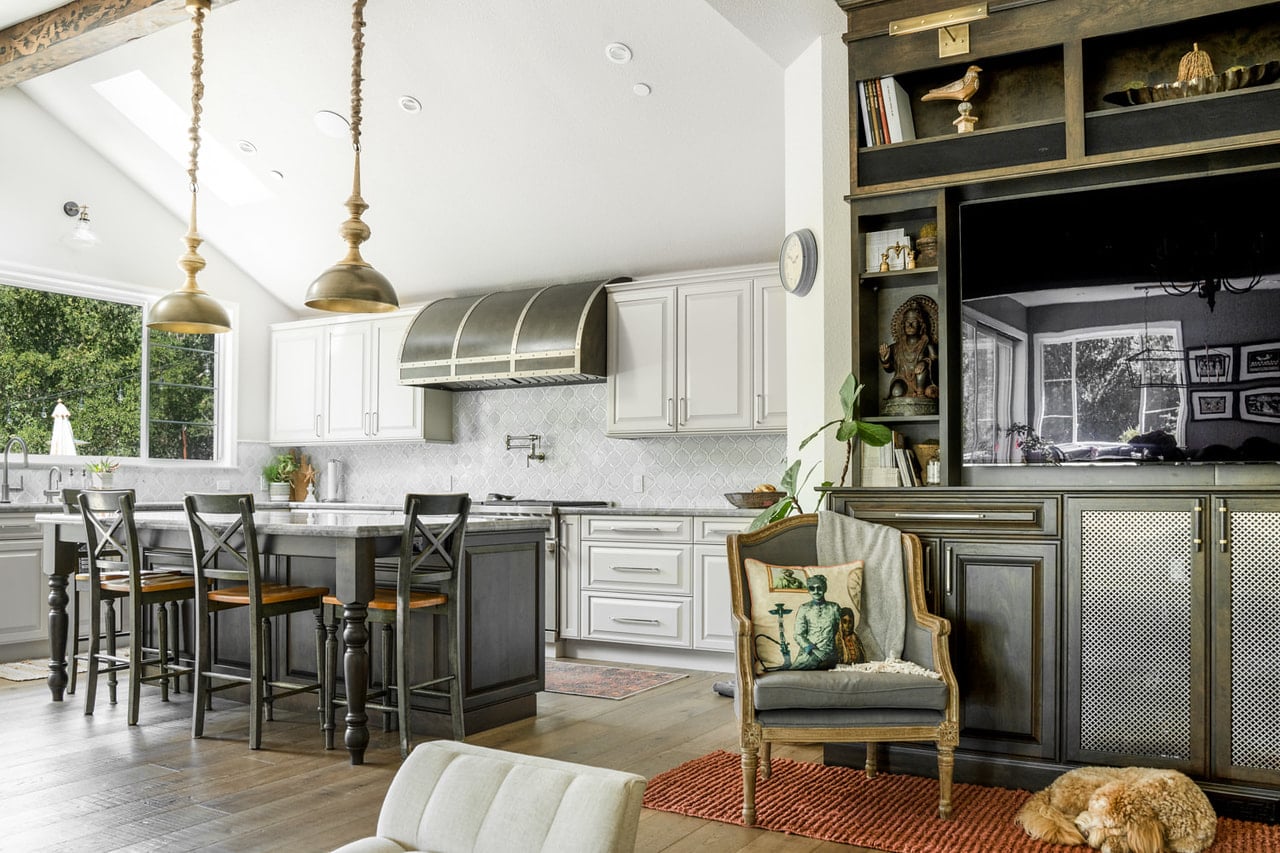
That is what design-build is. Instead of hiring an architect or designer, bidding the drawings out to contractors, and hoping the numbers land, you hire one team that carries the project from first sketch through final walkthrough. New Key Construction works as that single team across Mill Valley and Marin, so the people drawing your kitchen are talking daily to the people who will frame, plumb, and finish it.
What design-build actually changes here
The design-build difference comes down to three plain promises.
First, one team for design and construction. Your designer and your builder are the same accountable group, sharing one contract and one point of contact. On a constrained Mill Valley lot, that matters more than it would on a flat suburban parcel, because the design and the construction sequence are tightly coupled. How you stage materials on a narrow hillside driveway, where you set foundations relative to protected trees, and how you route drainage around a creek setback are construction questions that should shape the design from day one, not surprises discovered after drawings are approved.
Second, priced options up front. Before you commit, you see real numbers tied to real choices: this roofline versus that one, a cantilevered deck versus a stepped one, a full kitchen reconfiguration versus a lighter refresh. You are deciding with costs in front of you instead of falling in love with a design and learning the price only after the bids come back.
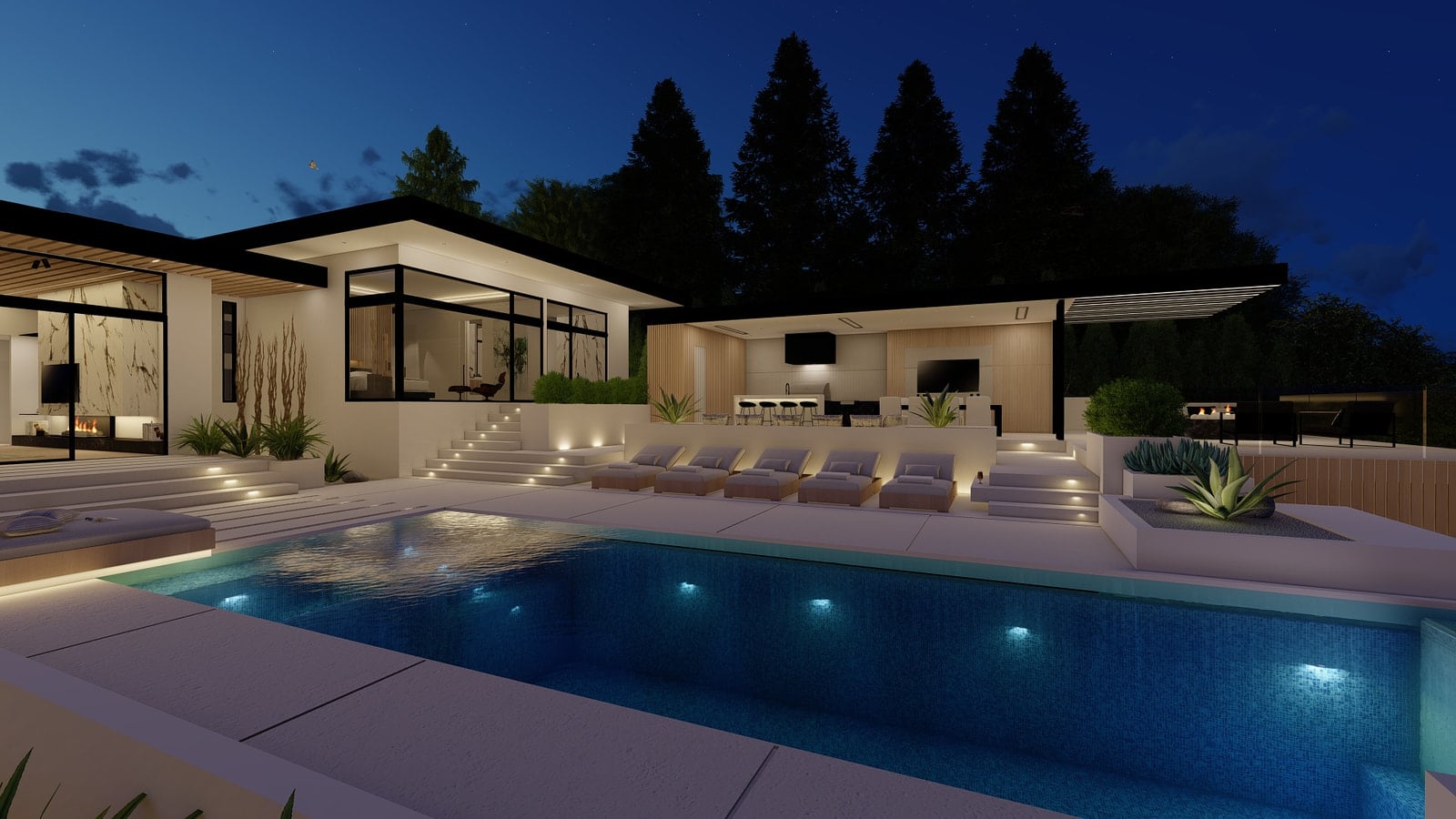
Third, 3D renderings before permits. You see your project rendered in three dimensions before anything is filed with the city. For a Mill Valley remodel, where window placement and roof lines are about catching tree-filtered light and framing a view of the ridge, seeing it rendered is the difference between guessing and knowing. It also means the design that goes into permitting is the design you actually approved.
The Mill Valley planning and permit reality
Building in Mill Valley means building inside real constraints, and a design-build team plans for them from the first meeting rather than discovering them midway. Many properties sit on slopes steep enough to trigger geotechnical and grading review, which affects foundation design and cost. Mature trees, especially heritage and protected species, are taken seriously, so where a foundation or addition lands relative to a tree can change the whole plan. Creek and watercourse setbacks limit how close you can build and how you handle drainage and runoff. Hillside lots also carry wildland-urban interface fire considerations that influence materials and detailing.
Permitting in Marin generally runs through the local building department, and projects that touch slopes, trees, setbacks, or design review can take longer than a flat-lot remodel elsewhere. We are not going to quote you a fee schedule or a timeline here, because those depend on your parcel and current city requirements, and they change. What design-build does is fold these realities into the design while it is still cheap to change things on paper. By the time you file, the slope, the trees, the setbacks, and the budget have already been reconciled into one coherent plan, which is exactly what reduces the back-and-forth that drags projects out.
How a project runs
A typical New Key engagement starts with discovery and a site walk, so we understand your lot, your constraints, and how you want to live. From there we move into design, where you review priced options and 3D renderings and we refine until the plan is right. Because the build team is in the room the whole time, the construction approach is baked into the design instead of bolted on later. Then we handle permitting, and we build, with the same team you have known since the first meeting carrying it through to handover.
You get one contract, one schedule, and one group that owns the result. On a Mill Valley hillside, where the site itself does half the talking, that single line of accountability is the most valuable thing we offer.
FAQ
What is design-build and how is it different from hiring an architect and a contractor separately?
Design-build means one team handles both the design and the construction under a single contract. In the traditional path, you hire a designer or architect, then separately bid the finished drawings to contractors. With design-build, the people designing your home and the people building it work together from the start, so cost, constructability, and site constraints shape the design rather than disrupting it later.
Why does design-build matter specifically for Mill Valley homes?
Mill Valley lots are often sloped, wooded, and shaped by tree, creek, and setback constraints. Those are construction realities that should influence the design from day one. With one team, the foundation strategy, drainage, tree protection, and material choices are worked out alongside the architecture, instead of being discovered after a separate contractor takes over the drawings.
Will I see the cost and the design before committing?
Yes. The design-build approach is built around priced options up front and 3D renderings before permits. You review real costs tied to real design choices and see your project rendered in three dimensions before anything is filed with the city, so you are deciding with both the look and the numbers in front of you.
Do you handle the permits and city review in Mill Valley and Marin?
Yes. As your single team, we carry the project through the local permitting process, including the design and documentation that slope, tree, setback, and design review requirements call for. Because those constraints are addressed during design rather than after, the plan that goes into permitting is already reconciled with both the site and your budget.
How early should I bring in a design-build team for a hillside project?
As early as possible. The biggest advantages of design-build, reconciling site constraints, pricing options, and refining the design, all happen before drawings are finalized and before permits are filed. Engaging one team at the start is what lets the slope, trees, and budget be solved on paper, when changes are still inexpensive.