Adding Space to a Cow Hollow Home Without Losing Its Character
Cow Hollow sits in a tight, beautiful pocket of San Francisco, tucked between the Marina flats and the slopes of Pacific Heights, with the Presidio at its western edge. The housing stock here tells the neighborhood's story: Victorian and Edwardian flats, Beaux-Arts facades, and Mission Revival cottages built when the old lagoon was filled in and the cows were finally ordered out. These homes are gracious, but they were rarely designed for the way families live now. A home addition in Cow Hollow is almost always an exercise in restraint, finding square footage on a narrow lot while protecting the proportions, bay windows, and street rhythm that make the neighborhood what it is.
New Key Construction is a Bay Area design-build firm, which means interior design and construction live under one roof. For an addition, that matters. You are not handing drawings from an architect to a contractor and hoping the budget survives the translation. One team carries your project from first sketch through final punch list, with priced options up front and photoreal 3D renderings produced before any permit is pulled. You see the room before you commit to it.
What an Addition Looks Like on a Cow Hollow Lot
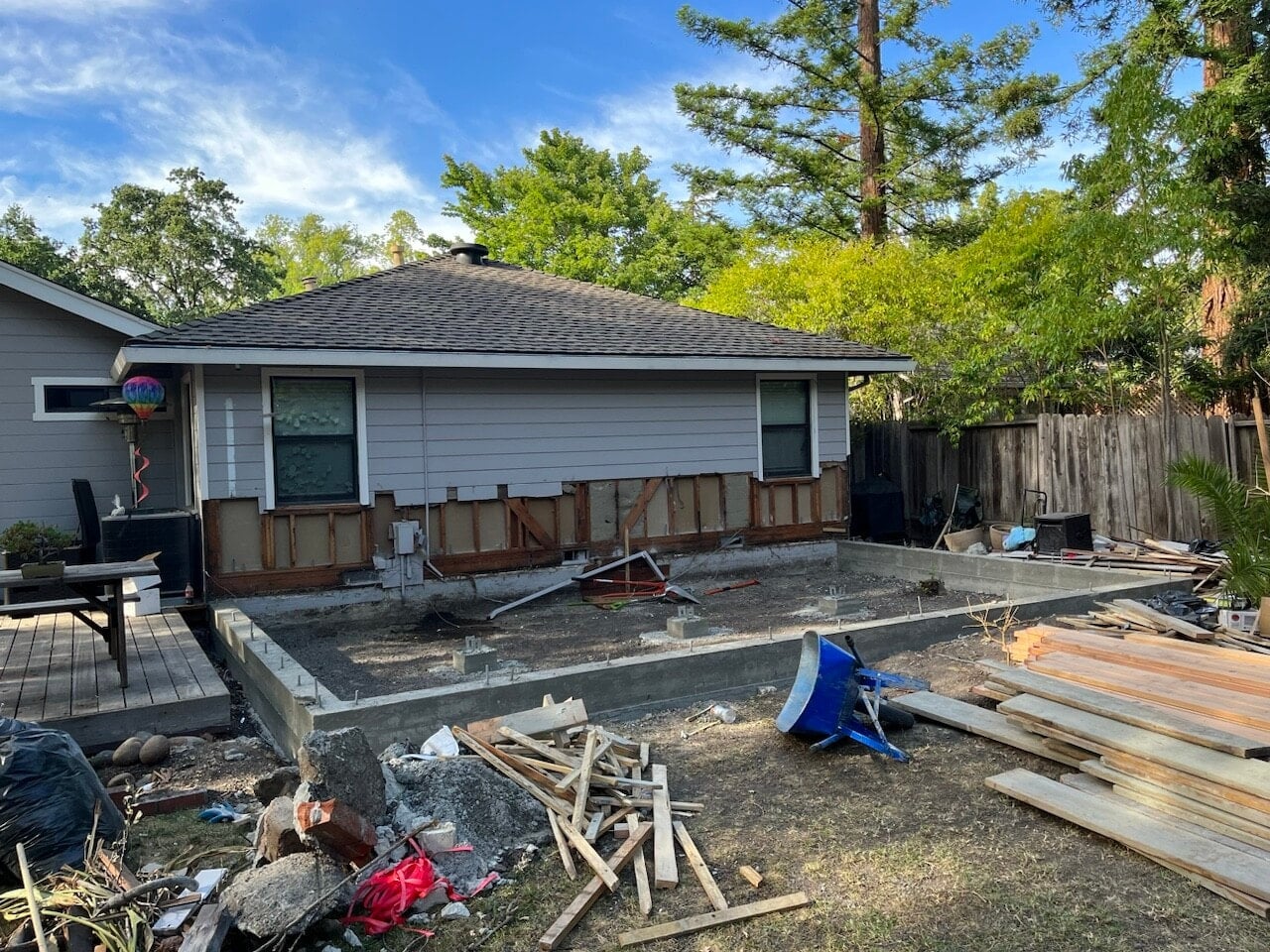
Most Cow Hollow parcels are slim and deep, hemmed in by neighbors on both sides and a rear yard the city expects you to preserve. That geography shapes what is realistic. Vertical additions, raising a roofline or adding a top floor with bay and Presidio views, are common here, as are rear extensions into the buildable depth and reworks of garage and ground levels where the slope allows. Light wells, interior stairs, and seismic upgrades are usually part of the conversation rather than afterthoughts.
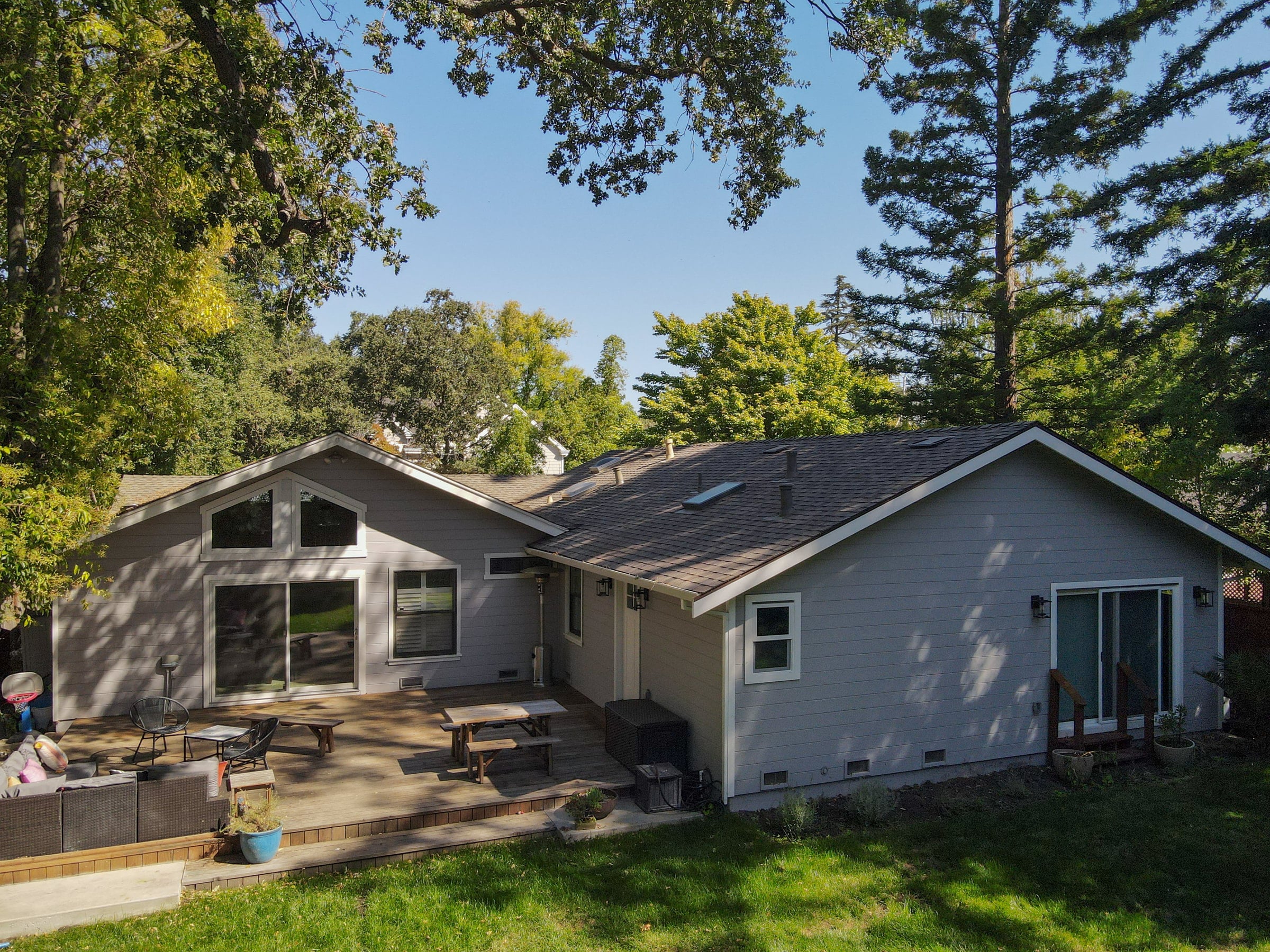
Because so many of these homes share party walls and original detailing, the design has to respect both your interior and the block. We design additions that read as if they were always part of the house, matching cornice lines, window proportions, and material language rather than bolting on something that fights the original. When the existing structure is historic in character, that fluency is the difference between an approval and a year of revisions. The 3D renderings are the tool we use to test how a new floor or a rear bump-out feels in the actual light and footprint, so what gets built matches what was promised.
Permits, Planning, and the San Francisco Reality
Cow Hollow is in the City and County of San Francisco, and additions here run through the San Francisco Planning Department and the Department of Building Inspection. Any project that expands the building envelope or adds square footage typically triggers Planning review against the Residential Design Guidelines, and in most cases Section 311 Neighborhood Notification. That notification goes to owners and residents within 150 feet of your property, plus registered neighborhood groups, for a 30-day public review window. A neighbor's Discretionary Review request can shift the timeline and scope.
We plan for this from day one rather than discovering it mid-project, designing within what Planning is likely to approve and managing the correction cycles that San Francisco permitting almost always involves. White-glove project management is the part you feel most: a single point of contact who tracks the Planning calendar, the notification period, and the build schedule so you are never guessing where things stand.
Because we are design-build, the team that drew your addition is the team that builds it. There is no gap where the design intent gets value-engineered away by a contractor who was not in the room. The priced options you approved are the budget we hold to.
Frequently Asked Questions
Do I need Planning approval for a home addition in Cow Hollow?
In most cases, yes. Additions that add square footage or expand the building envelope go through San Francisco Planning Department review against the Residential Design Guidelines, and they usually trigger Section 311 Neighborhood Notification. We design with those guidelines in mind from the start so your project moves through review with fewer corrections.
How long does a Cow Hollow addition take from design to completion?
It depends on scope, but the permitting phase alone is a real factor in San Francisco. Neighborhood Notification adds a 30-day public review period, and Planning correction cycles can add weeks each. We give you a realistic schedule up front and manage the calendar so design, permitting, and construction stay coordinated rather than stalling between handoffs.
Can you match an addition to an original Victorian or Edwardian home?
Yes, and that is much of the work in Cow Hollow. We design additions to match cornice lines, window proportions, and material detailing so the new space reads as original rather than added on. The 3D renderings let you confirm that fit before any permit is pulled or any wall is opened.
What does design-build mean for my budget?
It means one team handles both design and construction, so the design is priced as it is drawn. You get priced options up front instead of a design that gets cut down later by a separate contractor. That single line of accountability is how we keep the finished addition true to what you approved.
How does the 3D rendering step actually help?
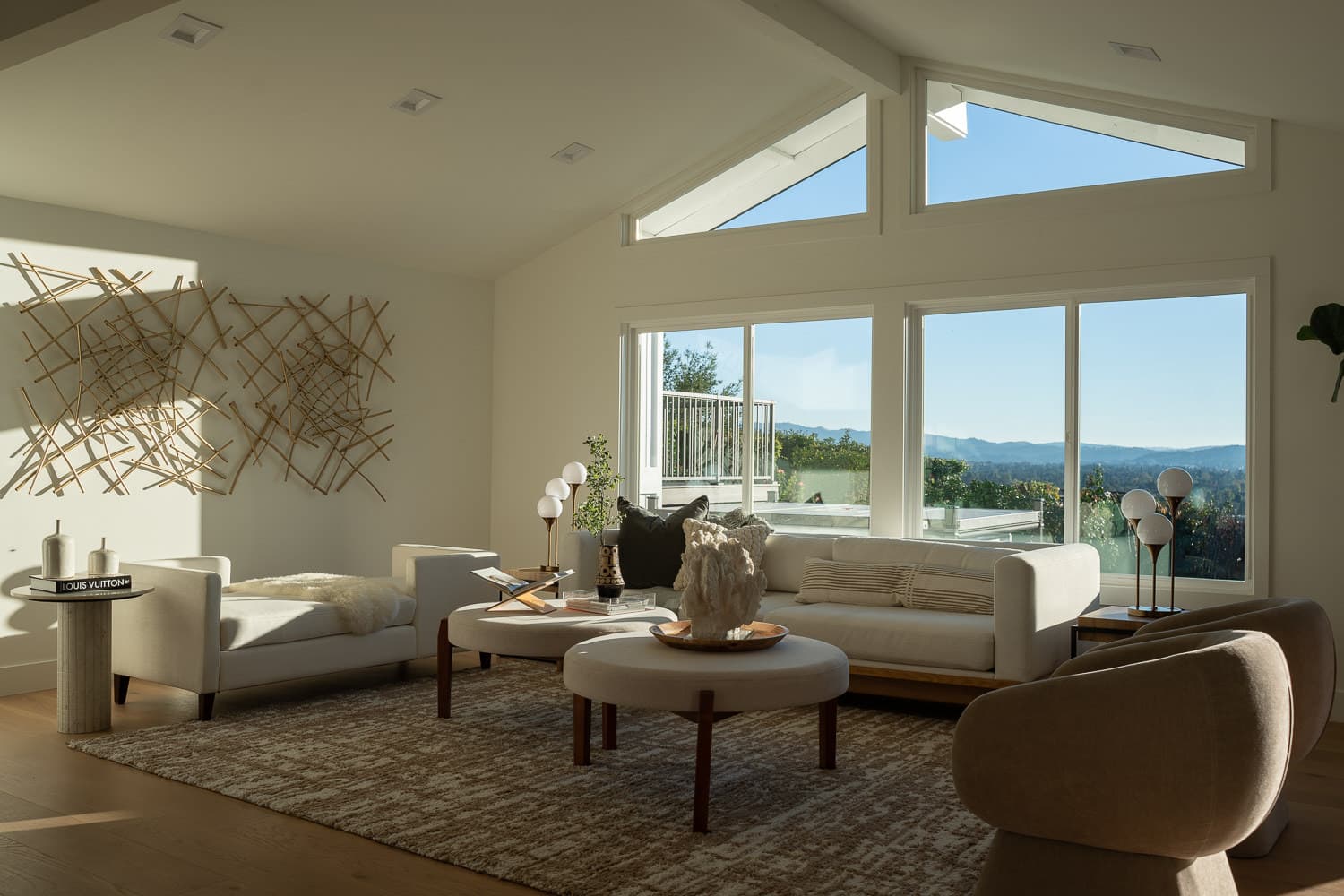
We produce photoreal renderings before permits so you can see the addition in your home's real light and footprint, with real finishes. It turns abstract square footage into a room you can evaluate and adjust early, when changes cost nothing. By the time we submit to Planning, the design is already settled.
Start Your Cow Hollow Addition
If you are weighing an addition to a Cow Hollow Victorian, Edwardian, or Marina-era home, start with a conversation. We will walk your home, talk through what your lot and the San Francisco approval process realistically allow, and show you priced options with photoreal renderings before anything is committed. Reach out to New Key Construction to begin.