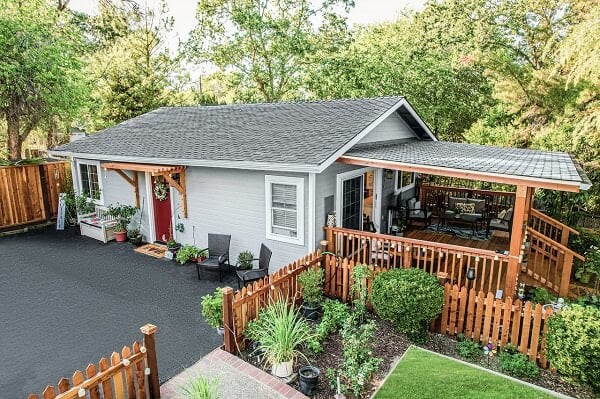
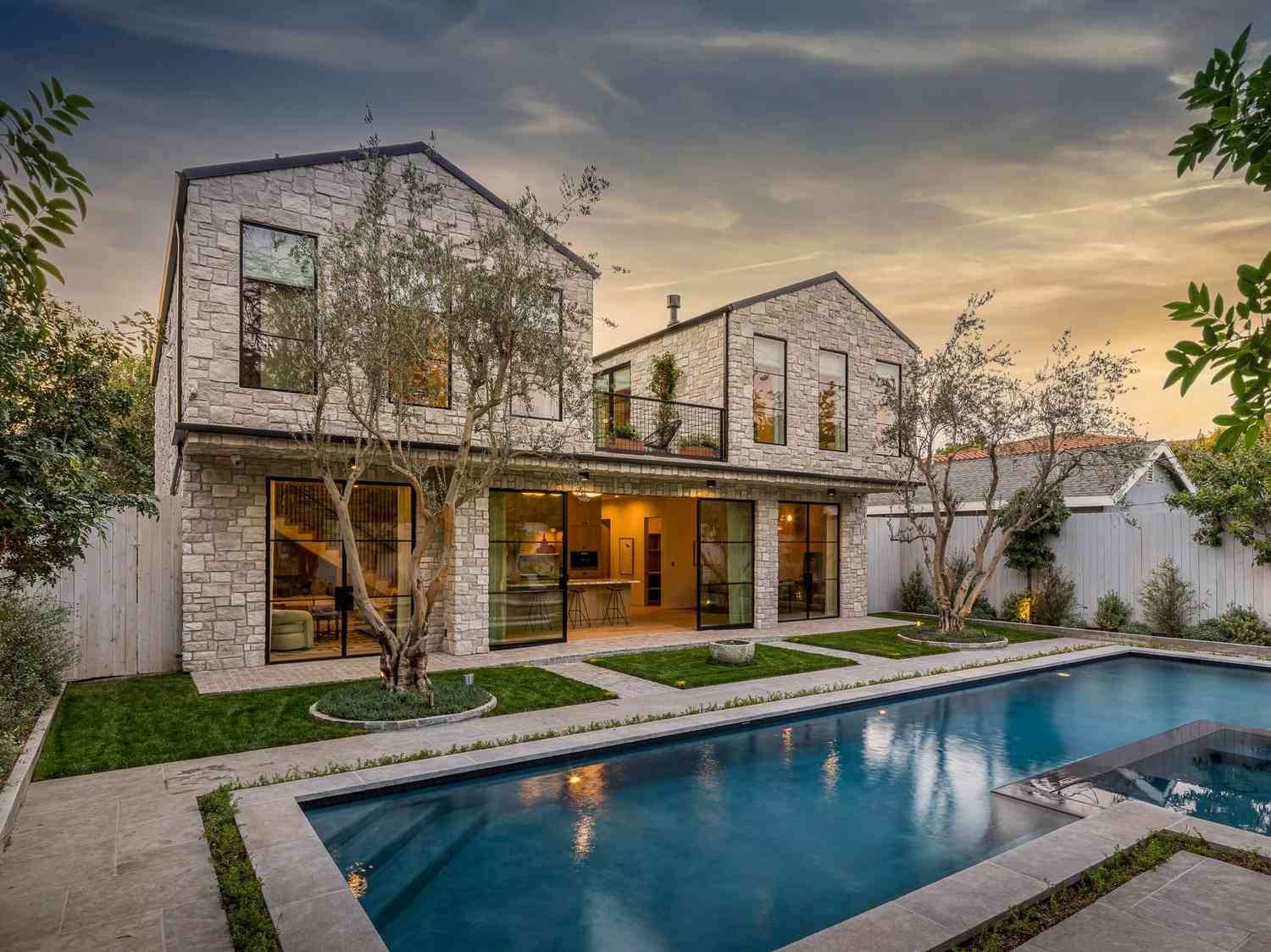
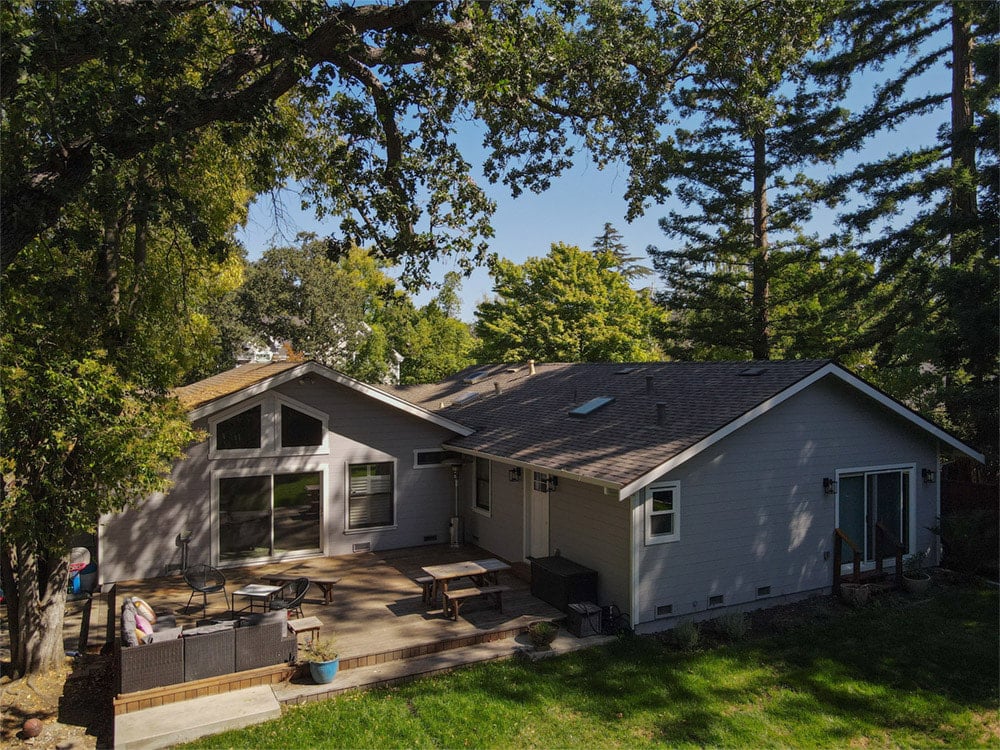
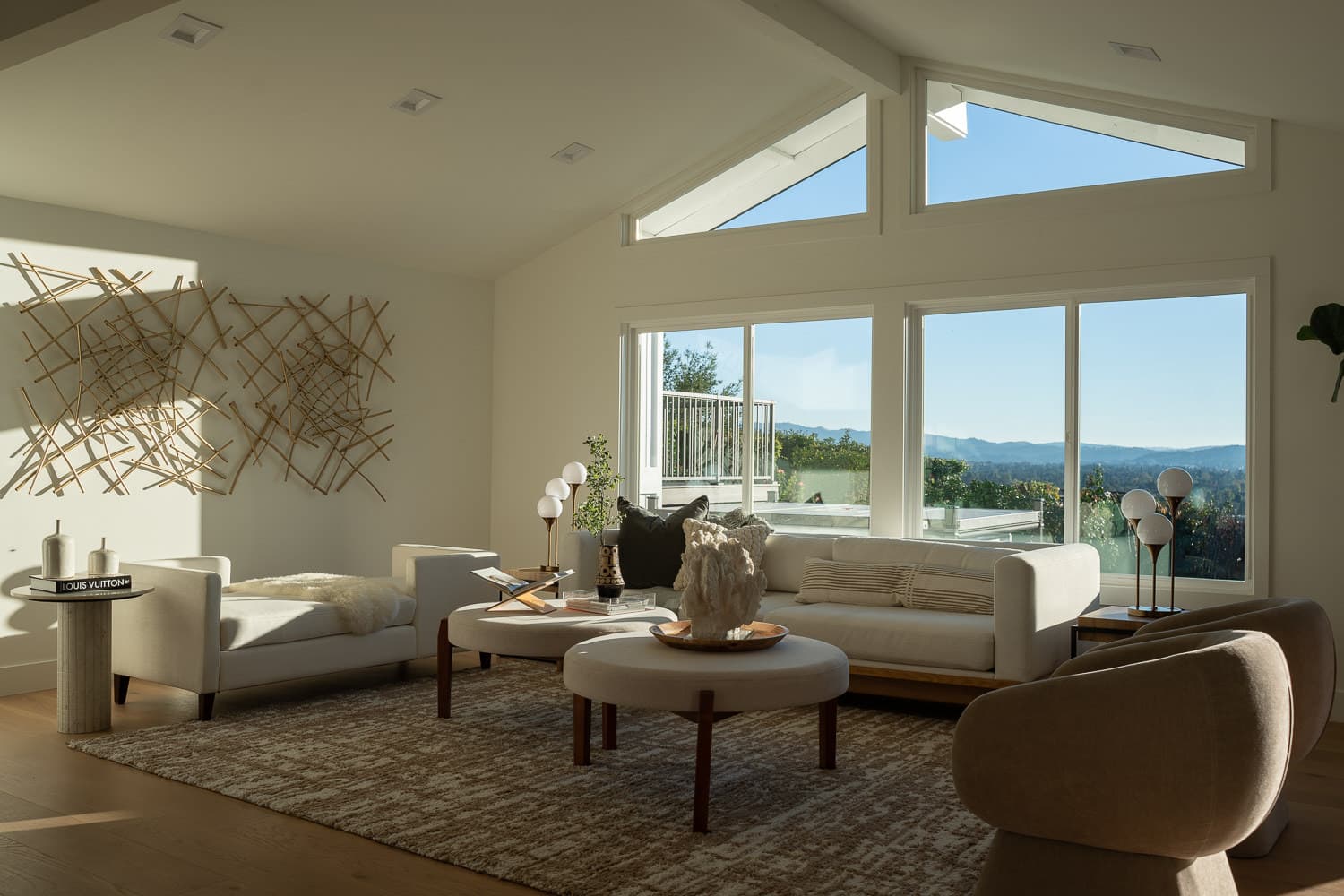
Cow Hollow sits in a tight, walkable pocket between Pacific Heights and the Marina, and the housing stock shows it. Edwardian flats, early-1900s single-family homes, and a steady layer of modern remodels share the same blocks off Union and Fillmore. Many of these homes have been touched more than once over a century, which means a remodel here is rarely a clean slate. You are working around old framing, narrow lots, party walls, and floor plans that were laid out for a different era. A high-end Cow Hollow client usually wants two things at once: to keep the character and scale that make the neighborhood desirable, and to get a kitchen, primary suite, or ground-floor layout that finally works for how they live now. Design-build is built for exactly that tension.
What design-build actually means here
Design-build means one team carries your project from first sketch through final punch list. Instead of hiring an architect, bidding the drawings out to general contractors months later, and refereeing between them when the budget does not match the design, you work with a single accountable group. We design and we build, so the person drawing your addition is talking to the person who has to frame it.
That structure changes three things for a Cow Hollow remodel. First, we price options up front. Before the design is locked, you see what the open-concept kitchen costs versus keeping a wall, what the steel beam costs versus an engineered alternative, what the millwork package adds. You make decisions with numbers in front of you, not after demolition has started. Second, we show you 3D renderings before permits. You see the new stair, the light coming into the back of the house, the finish palette, while everything is still easy to change. Third, there is no handoff gap. The estimate and the drawings come from the same team, so the surprise re-bid that derails so many split-contract projects does not happen.
Why one team matters on a Cow Hollow lot
The classic remodel failure mode in San Francisco is a beautiful set of plans that no builder will touch for the budget the owner had in mind. On Cow Hollow's narrow lots, with shared walls and limited street access for staging, constructability is not a detail you sort out later. It shapes the design from day one. A design-build team prices structural moves, foundation work, and access logistics while the design is still on paper, which keeps the project honest.
It also matters for the kind of work this neighborhood asks for. Opening up a dark Edwardian ground floor, adding a rear or vertical extension, digging out a basement or garage level, reconfiguring a stacked flat into a single home: these all touch structure, and they all touch the city. Having designers and builders under one roof means the engineering, the finishes, and the schedule are reconciled before you commit.
The San Francisco permit reality
Cow Hollow is inside San Francisco, so most exterior changes and any work that alters the building envelope go through the city's planning and building review, not a quick over-the-counter stamp. Projects that change the front facade, add height or rear area, or affect neighbors can trigger neighborhood notification and longer review timelines. Interior remodels are usually more straightforward, but structural work, egress, and any change of use still pull permits and inspections.
We do not promise to shortcut any of this, and you should be cautious of anyone who does. What design-build does is prepare you for it. Because we have priced and rendered the project before submittal, the drawings that go to the city reflect what we actually intend to build, which reduces the back-and-forth that stretches a remodel out. We sequence the design so the decisions that affect your permit set are made early, while they are still cheap to make.
What a typical engagement looks like
We start with a walkthrough and a conversation about how you use the home and where it falls short. From there we develop a design alongside real pricing, present it to you in 3D, and refine the options until the scope and the budget agree. Only then do we move into permit drawings and construction. Because the same team stays with you the whole way, the person who promised the budget is the person who has to hit it.
FAQ
What is design-build and how is it different from hiring an architect and contractor separately?
Design-build puts design and construction under one contract and one accountable team. In the traditional split model, you hire an architect, then bid the finished drawings to contractors, and the two parties often disagree about cost and feasibility. Design-build removes that gap. The people designing your Cow Hollow remodel and the people building it work together from the start, so pricing and buildability are baked into the design rather than discovered after.
Do you handle permits for Cow Hollow projects?
Yes. Cow Hollow is part of San Francisco, so most envelope changes and structural work go through city planning and building review. We prepare and manage the permit set as part of the project. We sequence design so permit-affecting decisions are made early, and because the drawings reflect a design we have already priced and rendered, there is less revision once the set is submitted.
Can you show me what my project will look like before construction?
Yes. We produce 3D renderings before we pull permits, so you can see the new layout, light, and finishes while changes are still easy and inexpensive. Seeing the design in 3D also makes the priced options concrete, so you understand exactly what each choice costs before you commit.
Is design-build a good fit for an Edwardian or older Cow Hollow home?
It is often the best fit. Older homes in this neighborhood hide surprises in the framing and foundation, and they sit on tight lots with shared walls and limited access. Having builders involved during design means those realities shape the plan from day one, which protects both the character of the home and your budget.
How do you keep a Cow Hollow remodel on budget?
We price options up front, before the design is locked. You make decisions with real numbers in front of you, and because the estimate and the drawings come from the same team, there is no separate re-bid that resets the price after design. That continuity is the core reason design-build tends to hold its budget better than a split contract.