High-End Homes in Cow Hollow, and What That Means for a Builder
Cow Hollow sits in the flats between Pacific Heights and the Marina, a few blocks back from the bay. The housing stock is some of the most distinctive in San Francisco: Edwardian and early-1900s flats, ornate Victorian facades, and a steady layer of contemporary remodels behind those historic fronts. Lots are narrow and deep, party walls are shared with the neighbors, and many homes have been split, merged, or reworked across a century of ownership.
A high-end general contracting client here is rarely starting from scratch. More often you own a period home on Union, Green, or Vallejo and want a kitchen and primary suite that work like a new build, a structurally opened-up ground floor, a finished basement or garage conversion, or a full gut renovation that keeps the protected exterior while modernizing everything behind it. What you want from a contractor is straightforward to say and hard to find: predictable cost, real craftsmanship on finishes, and a crew that can work cleanly on a tight urban lot without burning the relationship with the neighbors or the city.
The Local Permit Reality for This Service
General contracting in Cow Hollow lives and dies on the San Francisco permitting process, and that is the single biggest reason high-end projects here run long. Most meaningful interior work, structural changes, additions, and facade-affecting alterations require permits through San Francisco's Department of Building Inspection, and the city's Planning Department reviews work that touches the exterior or the building envelope. Because so much of the neighborhood is older and visible from the street, exterior changes draw more scrutiny than a comparable suburban remodel.
The practical consequences for your project: timelines are driven as much by review as by construction, neighbor notification can apply to certain alterations, and the design you submit needs to be resolved before you file, not after. We will not quote specific fees, review windows, or code sections here, because those change and depend on your scope. The honest takeaway is that the permitting phase rewards projects that arrive complete and accurate, and punishes the ones that improvise. A contractor who treats permits as an afterthought will cost you months in this neighborhood.
How Design-Build Changes the Job
New Key Construction runs as a design-build firm, which means design and construction sit under one roof and one contract. For a Cow Hollow remodel, that matters in concrete ways.
One team owns the outcome. You are not refereeing between an architect who drew it and a contractor who says it cannot be built. The people who design your kitchen are accountable to the people who build it, so detailing, structure, and budget are reconciled before anything is filed.
You get priced options up front. Instead of a single design you cannot afford, we present real choices with real numbers attached, so you decide between approaches knowing what each one costs to build. That keeps the budget conversation honest from the first meeting rather than at the end when changes are expensive.
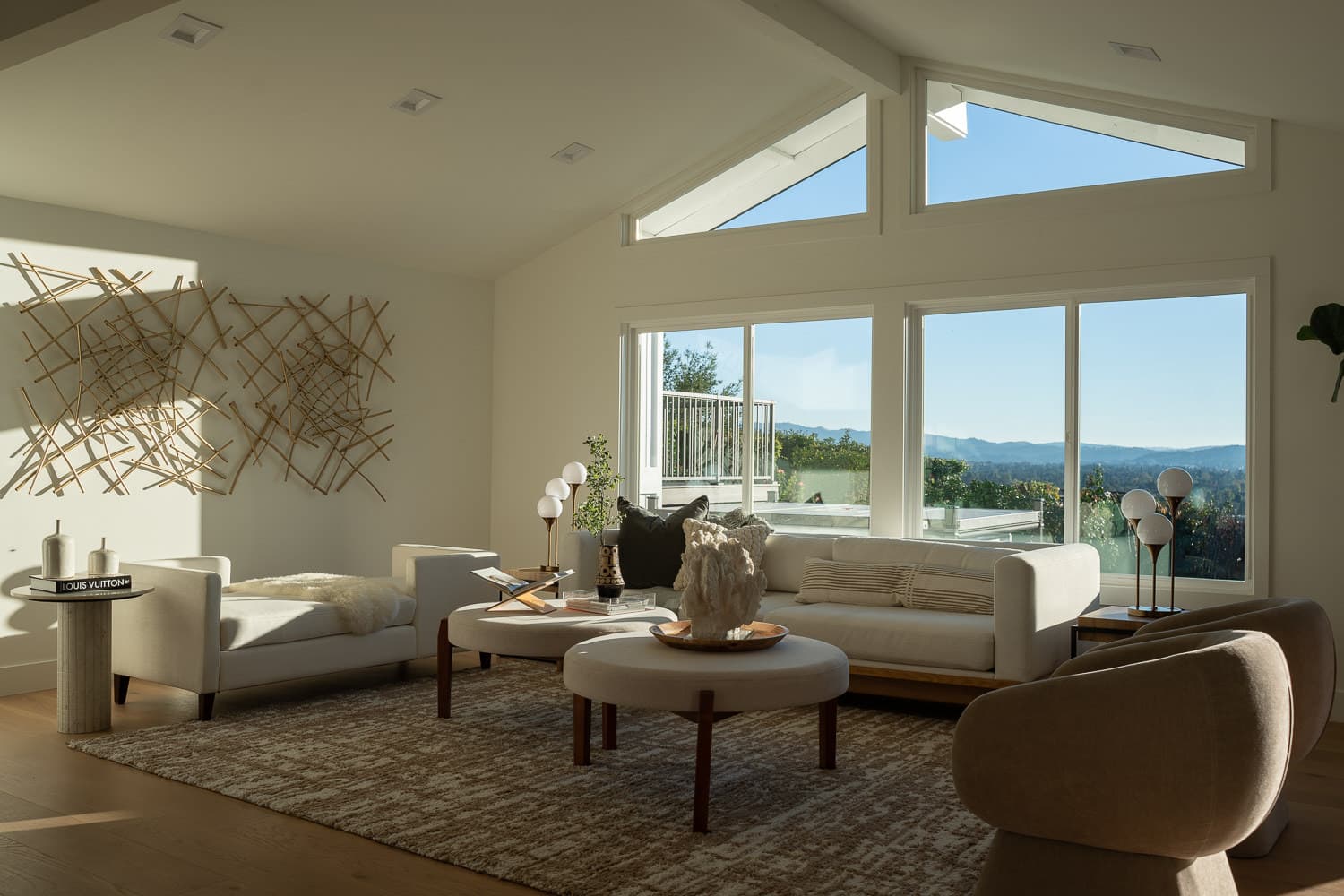
You see it before permits. We produce 3D renderings of your space before drawings go to the city. For a period home where you are weighing how a new opening, a reworked stair, or a primary suite reads in the actual room, seeing it rendered removes guesswork and reduces the change orders that wreck schedules and budgets later.
What General Contracting With Us Looks Like
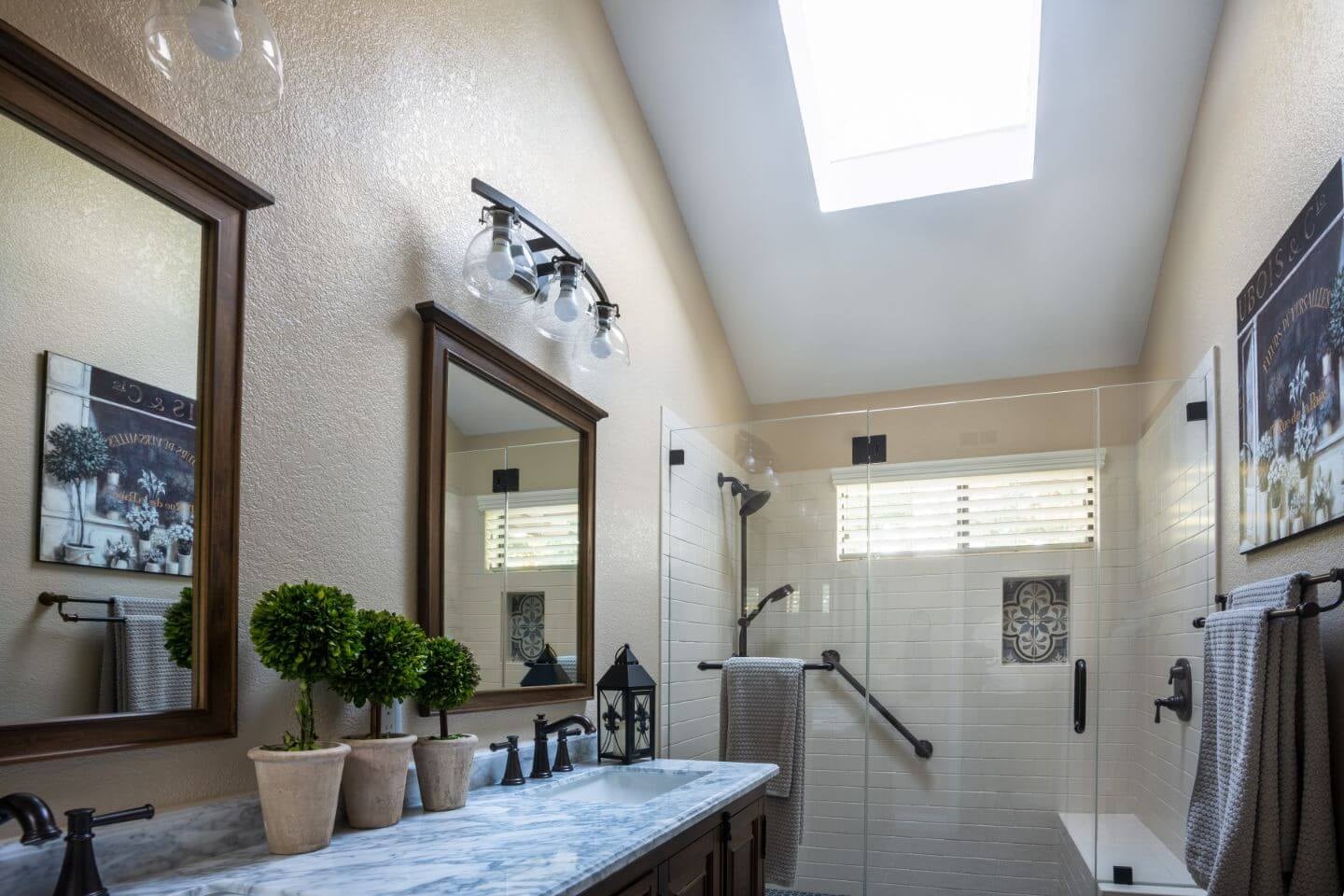
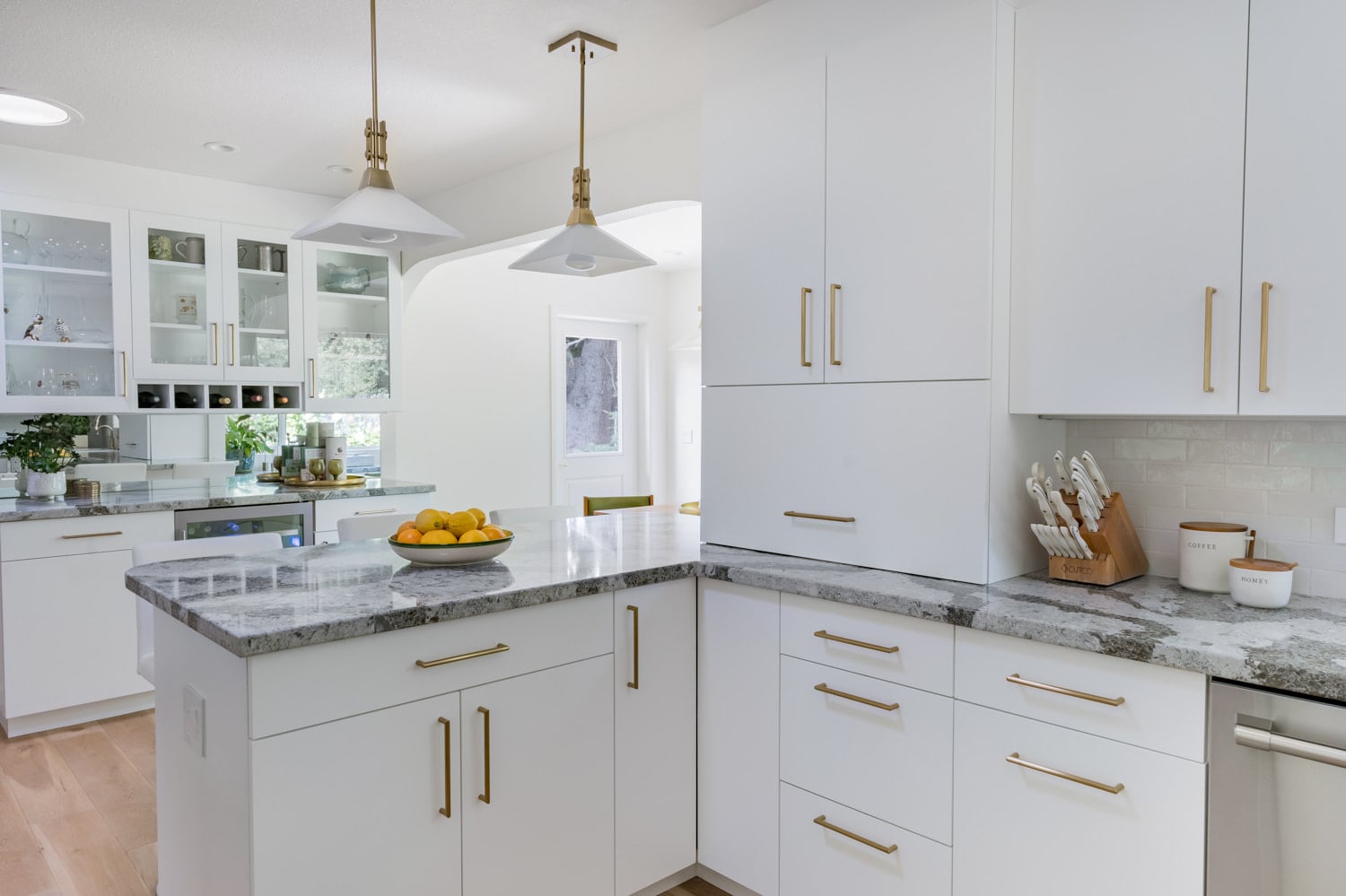
We handle the full build: structural and framing work, the trades, finish carpentry, cabinetry, tile and stone, lighting and electrical, plumbing, and the high-touch finishes that define a luxury result. On Cow Hollow lots that means real logistics planning, staging on a narrow street, protecting shared walls, and keeping a clean, low-impact site in a dense block where your neighbors are a few feet away.
Because we designed the project, the build runs against a documented set of priced decisions rather than a moving target. You get one point of accountability from the first sketch to the final walkthrough, a schedule that accounts for San Francisco's review process rather than ignoring it, and finish-level work from a team that does high-end residential as its core business, not as a side line.
If you own a home in Cow Hollow and you want a renovation delivered by a single accountable team, with options priced before you commit and renderings before you permit, that is the work we do.
FAQ
Do I need permits for a high-end remodel in Cow Hollow?
Most structural changes, additions, kitchen and bath reconfigurations, and any work affecting the exterior or building envelope require permits through San Francisco's Department of Building Inspection, with Planning Department review where the exterior is involved. The exact requirements depend on your scope. As your design-build contractor, we resolve the design fully before filing so the submission is accurate and the review goes as smoothly as it can.
What does design-build mean for my project?
It means design and construction are handled by one firm under one accountability chain. You are not coordinating a separate architect and contractor or absorbing the gaps between them. We design it, price it, and build it, which keeps cost and constructability aligned from the start.
Can you work on Edwardian and Victorian homes without losing the character?
Yes. Much of Cow Hollow's value is in its period architecture, and a common high-end scope here is modernizing everything behind a protected or character-defining facade. We design the interior to perform like new construction while respecting the original exterior and the city's review of changes to it.
Why do you produce 3D renderings before permits?
Because seeing the space rendered before drawings go to the city lets you make final decisions when changes are still cheap. In a period home, renderings show how a new opening or reworked layout actually reads in the room, which cuts down on costly change orders during construction.
How does pricing work?
We present priced options up front, so you choose between design approaches knowing what each one costs to build. Once you decide, the build runs against that documented set of decisions rather than an open-ended estimate, which keeps the budget conversation honest throughout the project.