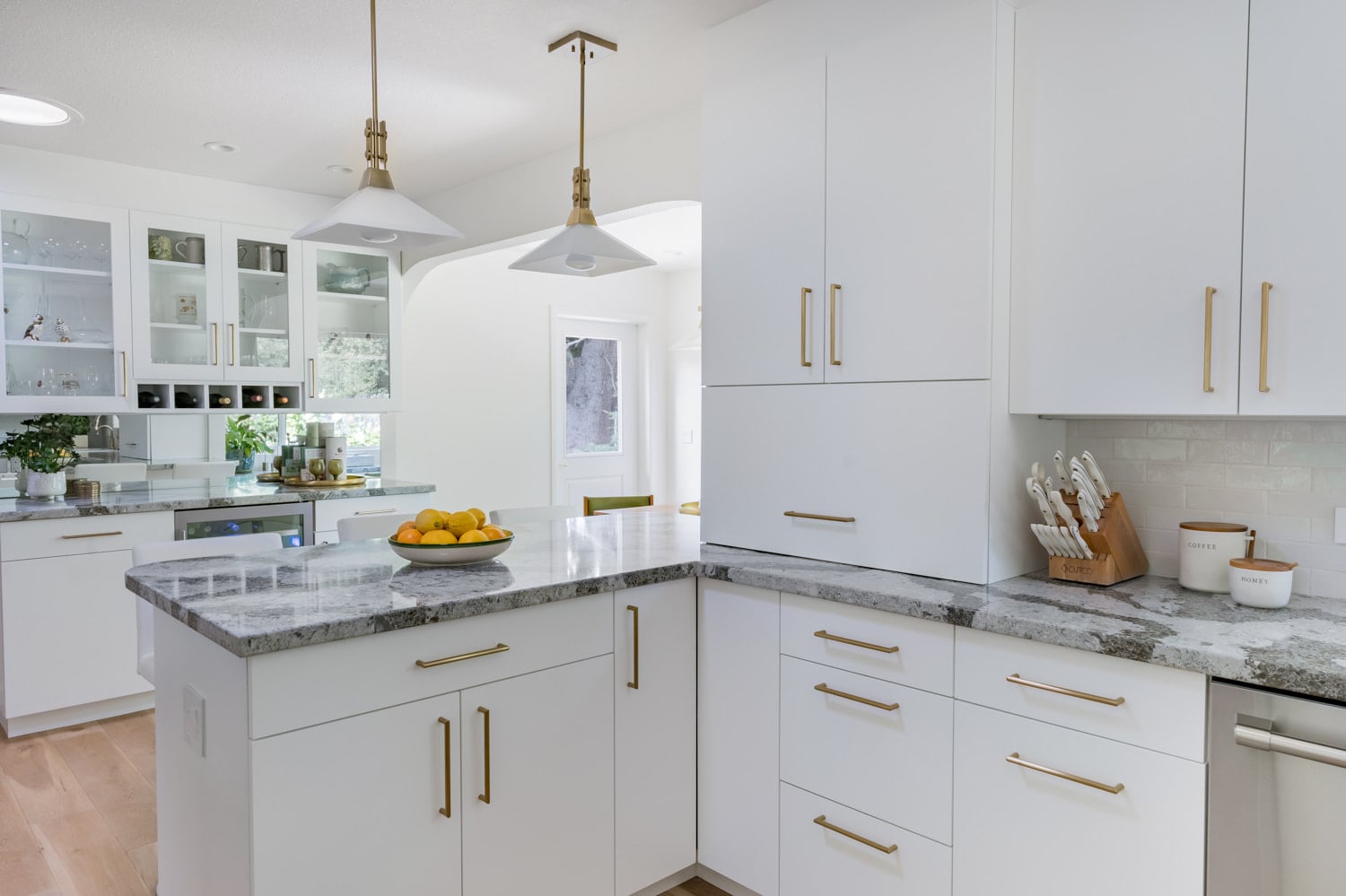
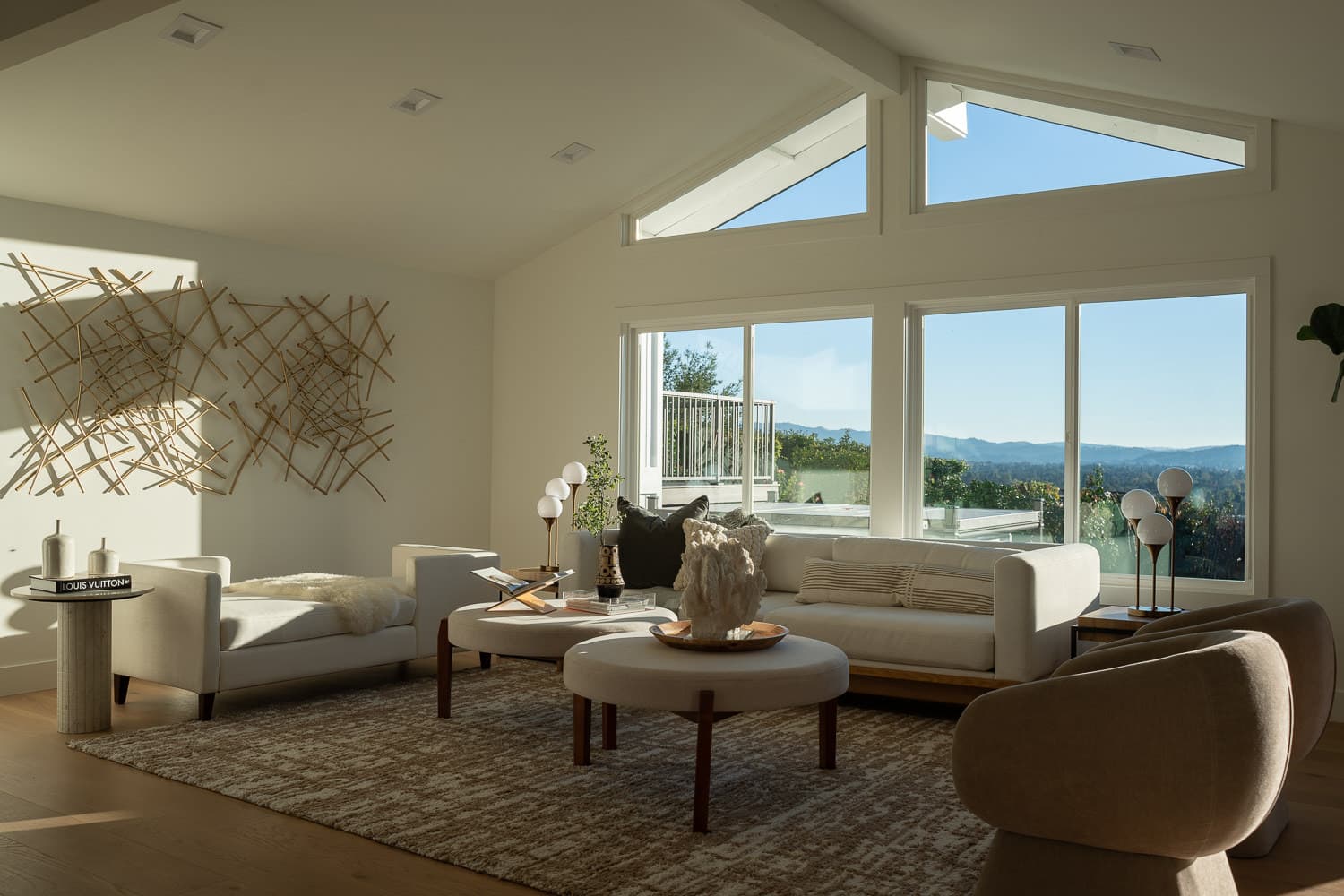
Custom Home Builds in Cow Hollow, San Francisco
Cow Hollow sits in a quiet sweet spot between the Marina flats and the hills of Pacific Heights. The housing stock tells the story of how the neighborhood grew: rows of Edwardian and early-1900s flats, classic San Francisco bay-window facades, the occasional Victorian survivor, and a steady layer of careful modern renovations tucked behind period exteriors. Lots tend to be narrow and deep, the way most of the city was platted, and many homes share party walls with their neighbors. The result is a streetscape with real architectural rhythm and homes that often feel narrower and more vertical than their square footage suggests.
A high-end client in Cow Hollow usually wants two things that can feel in tension. They want to honor the exterior character that makes the neighborhood feel like itself, and they want an interior that lives like a modern home: more daylight, a kitchen that opens to where people actually gather, primary suites that did not exist when these houses were drawn, and a quieter, better-insulated envelope. The work is rarely a teardown. More often it is a deep, thoughtful build that reorganizes the floor plan, pulls light deeper into a narrow footprint, and adds usable space without fighting the building you started with.
What a Cow Hollow Build Actually Involves
Building well here means designing around a few realities specific to dense, established San Francisco neighborhoods.
First, the planning and permitting layer is real and it is not a formality. San Francisco reviews exterior changes with neighborhood character in mind, and projects that alter the front facade, add height, or change the building envelope can draw more scrutiny than a comparable project in a newer suburb. Some buildings carry historic significance, which adds a review dimension you want to understand before you fall in love with a sketch. Neighbor notification is part of how the city handles many residential projects, so the relationship with the homes on either side of you matters, both procedurally and practically.
Second, the lot itself constrains the design. Narrow widths, shared walls, light wells, rear-yard requirements, and limited street frontage all shape what is possible. Working with light wells and rear openings is often the single biggest lever for making a deep, narrow home feel bright. Excavation or foundation work in tight quarters between existing structures takes planning and the right crew.
Third, this is a working city neighborhood. Staging, parking, deliveries, and noise all have to be coordinated on busy blocks where you cannot simply close the street. None of this should scare you off. It is simply the texture of building in a premium, walkable, century-old part of San Francisco, and it is exactly the kind of work an experienced local team plans for from day one rather than discovering halfway through.
The Design-Build Difference
Here is the line that matters most. With New Key Construction you get one team for design and build, priced options up front, and 3D renderings before you commit to permits.
That structure changes the experience in concrete ways. In the traditional path, you hire an architect, develop a design in isolation, and only learn what it costs once it goes out to bid, often after months of work and after you are emotionally committed. When the number comes back high, you redesign and lose time, or you cut quality late under pressure.
Design-build collapses that gap. Because the people designing your home are the same people who will build it, cost is part of the conversation from the first week, not a surprise at the end. You see priced options while decisions are still easy to change. You walk through photorealistic 3D renderings of your kitchen, your stair, your primary bath before a single permit is filed, so you are approving something you can actually see rather than imagining it from a flat plan. And when questions come up during construction, which they always do in older San Francisco homes, there is no finger-pointing between architect and contractor. It is one accountable team.
For a Cow Hollow project, where the permitting path can be involved and the existing structure always holds a few surprises, that single line of accountability is not a luxury. It is how the project stays on schedule and on budget.
Working With New Key in Cow Hollow
We approach every Cow Hollow home the same way: understand the building you have, understand the life you want inside it, and find the design that respects the street while transforming the interior. We map the real constraints early, the lot, the structure, the likely review path, so the design we fall in love with is the design we can actually deliver. From there you get priced options and renderings, and once you sign off, the same team carries it through permitting and construction to handover.
If you own a home in Cow Hollow and you are weighing a major remodel or a ground-up custom build, the best first step is a conversation about your specific block, your specific house, and what you want it to become.
FAQ
Do I need historic or design review for a Cow Hollow project?
It depends on your specific building and what you want to change. Some Cow Hollow homes carry historic significance, and exterior changes throughout San Francisco are reviewed with neighborhood character in mind. Interior reconfigurations are usually more straightforward than changes to the facade, height, or envelope. We assess your property's review path early so there are no surprises later.
Should I renovate my existing home or build new?
For most Cow Hollow homes the answer is a deep renovation rather than a teardown, because the existing Edwardian or early-1900s structure is part of what gives the home and the street their value. The right call depends on the condition of the structure and how far your goals push the building. We look at both paths honestly and show you priced options for each.
How does design-build save me money?
It removes the costly gap between design and bidding. Because one team handles both, you see real pricing while the design is still flexible, instead of discovering the number after months of architectural work. That means fewer late redesigns, fewer change orders, and a budget you can actually plan around.
Can I see the design before committing to permits?
Yes. We produce 3D renderings of the key spaces before you commit to the permit process, so you are approving a home you can see rather than imagining it from a floor plan. That up-front clarity is central to how we work.
How long does a custom build in Cow Hollow take?
Timelines vary with scope and the permitting path, and San Francisco review can add time that a newer suburb would not. We give you a realistic schedule once we understand your specific home and goals, and because design and construction share one team, we plan the permitting and build sequence together from the start rather than handing it off.