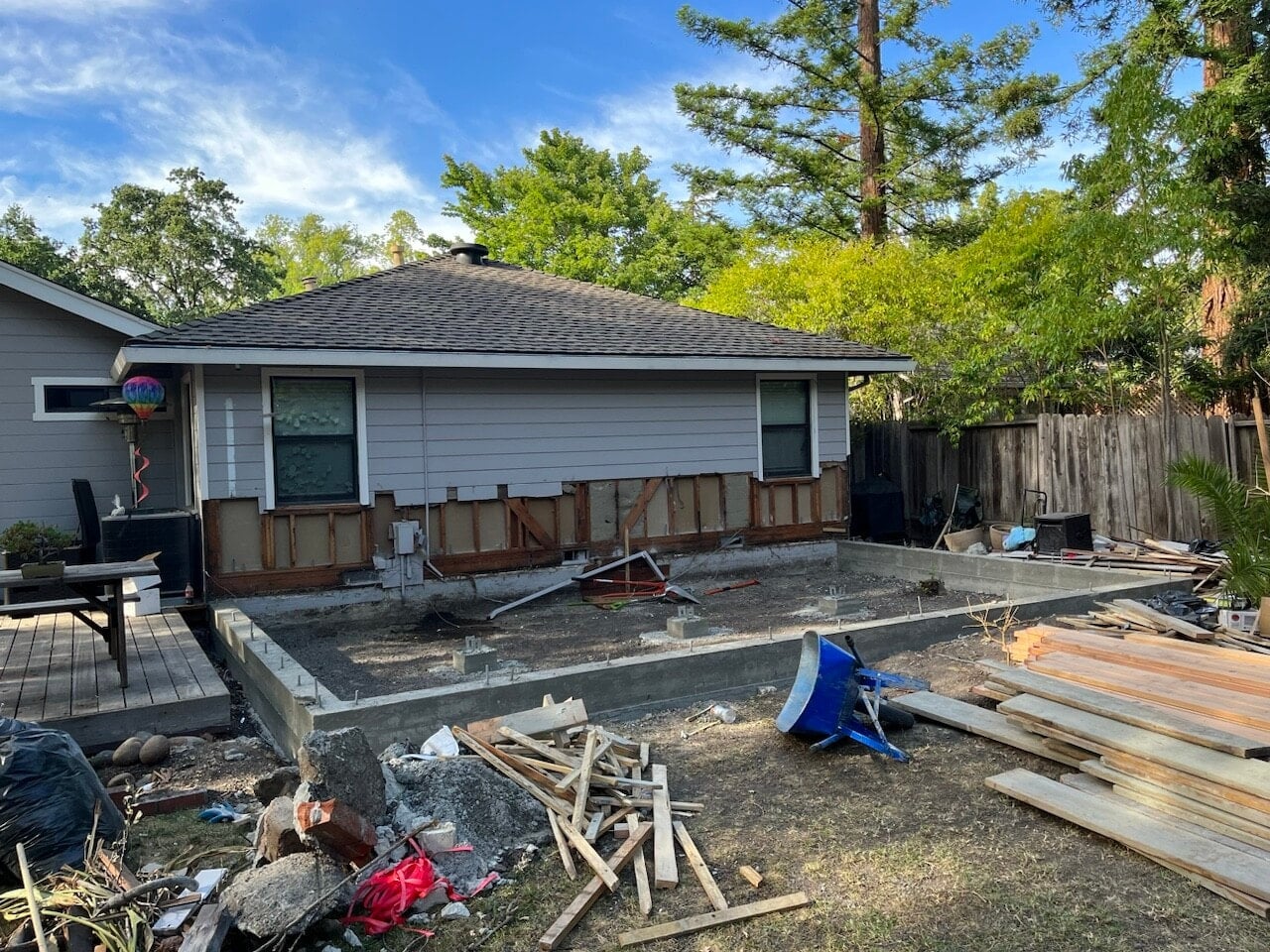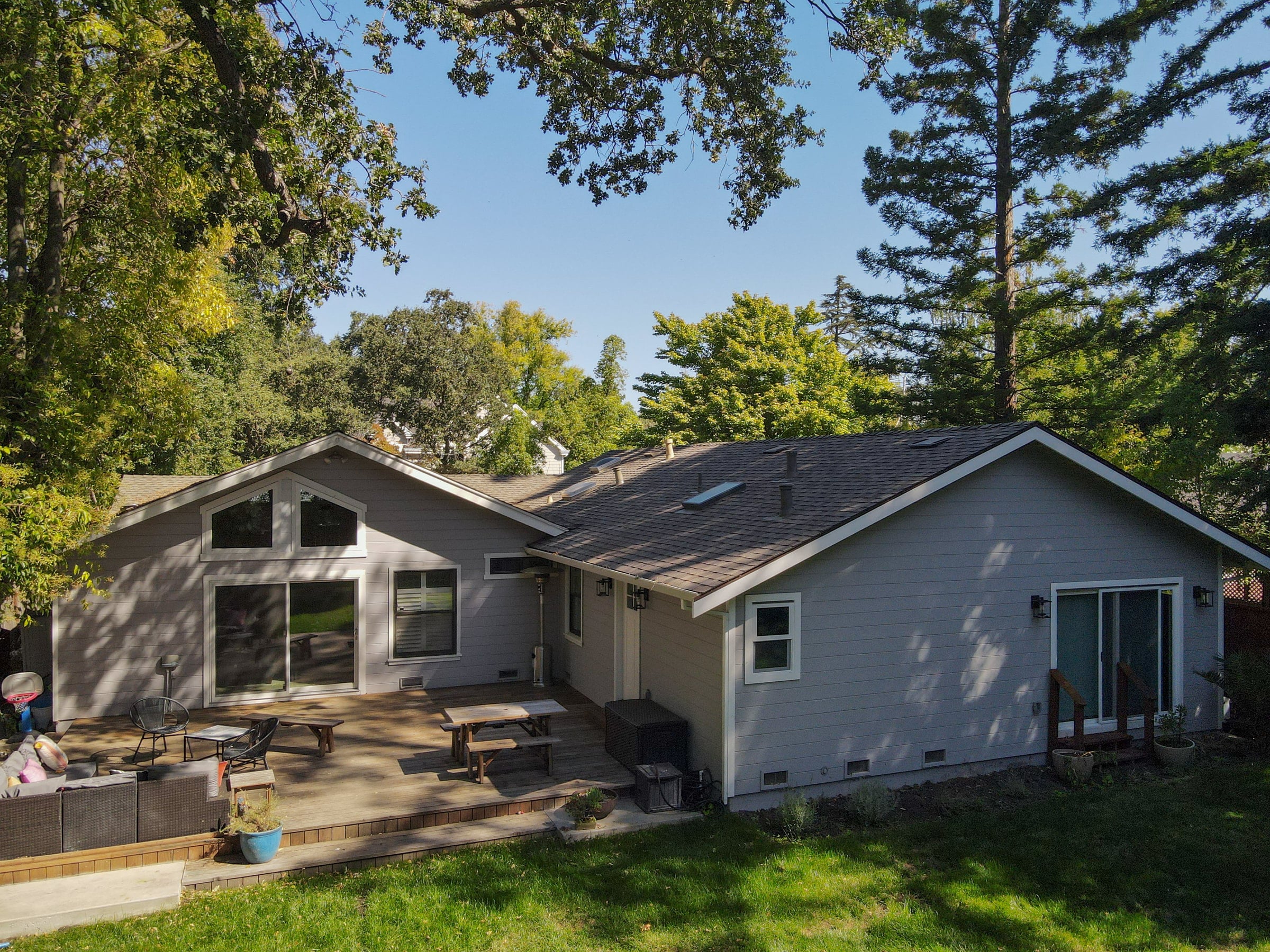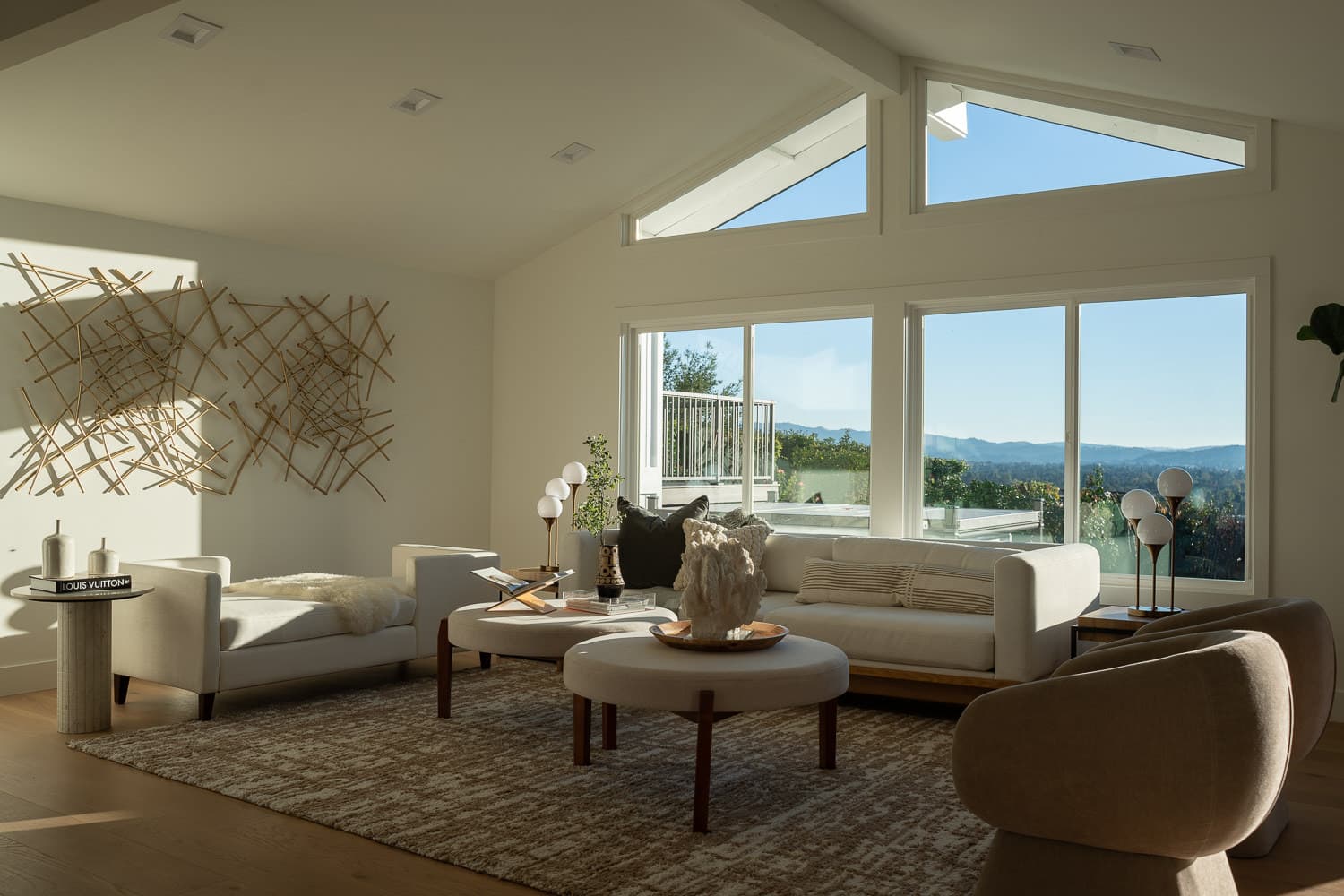
Napa homes carry a particular weight. A board-and-batten farmhouse on a few acres off Silverado Trail, a low-slung agrarian-modern residence framed by rows of vines, a ranch on the valley floor that has held the same family for decades. When owners of these homes outgrow them, they rarely want to leave the land. They want more room that still belongs to the place. That is the heart of a good home addition in Napa: adding square footage that reads as if it was always there, opens to the outdoors, and respects the views and the agriculture that surround it.
What a Napa addition actually asks for
Most additions here fall into a few patterns. A ground-floor expansion to enlarge a kitchen and great room so the house finally lives the way Wine Country entertaining demands. A primary suite wing with a quiet outlook over the vineyard. A second-story addition that reclaims square footage upward when the lot is constrained, when ag-zoning limits how far the footprint can spread, or when the best views are simply higher up. Each of these has a different structural and design reality, and on a Napa property each also has to answer to the land it sits on.
Agrarian-modern is the language clients reach for, and it is the right one. Deep eaves, generous glazing, steel and timber, materials that weather honestly. The goal of indoor-outdoor living means an addition is never just walls and a roof. It is the threshold to a terrace, the sightline down a row of vines, the way morning light enters a new room. We design additions as part of the whole house and the whole site, not as a box bolted to a wall.
The Napa planning reality, told straight
Building in Napa County means working inside a framework built to protect agriculture, open space, and a landscape that is genuinely at wildfire risk. Whether your property sits inside the City of Napa or in the unincorporated county changes which jurisdiction reviews your project, and properties in agricultural and watershed areas carry their own layers of review. Setbacks, lot coverage, height limits, and grading all shape what an addition can be before a single line is drawn.
Wildfire is not an abstraction here. Much of the county sits in mapped fire hazard zones, and additions in those areas are built to California's wildland-urban interface standards, which govern ignition-resistant materials, eaves, vents, and exterior assemblies. A second-story addition raises its own questions around height, structural reinforcement of the floor below, and how the new mass reads from the road and from neighboring parcels. We do not guess at any of this. We confirm zoning, hazard mapping, and the applicable review path for your specific parcel early, so design decisions are grounded in what your property will actually allow rather than what we hope it might.
Why design-build changes the experience
The usual path splits design and construction into two contracts with two companies who meet for the first time when problems surface. You hire an architect, wait for drawings, then hand those drawings to builders for bids, and discover the design you fell in love with costs far more than your budget. Then the redrawing begins.
We are a design-build firm, which means one team carries your addition from first sketch to final walkthrough. Design and construction sit at the same table from day one. That single change removes the most expensive friction in a remodel: the gap between what was drawn and what can be built for your number.
In practice it works like this. We start by understanding the house, the site, and how you want to live in the new space. We design the addition and put priced options in front of you up front, so you are choosing between real, costed paths instead of approving drawings and bracing for a bid later. Before we file for permits, we produce 3D renderings so you can stand inside the new kitchen, the new suite, or the second-story view and see it. You approve the design you can actually picture, with a price you have already agreed to. Then the same team builds it.
That continuity matters most on a Napa addition, where structural engineering, WUI compliance, vineyard sightlines, and county review all have to resolve together. One accountable team means those threads stay connected from concept through the final inspection.
What we handle
From a single-room bump-out to a full second-story addition, we manage the design, the engineering coordination, the permit submittals, and the construction. We work to keep your home livable through the build where the scope allows, sequence the work around the structural realities of adding above an existing floor, and detail the new space so it sits naturally against the original house. The result is more home, more light, and more connection to the Napa landscape that brought you here.
FAQ
Can I add a second story to a single-story home in Napa?
Often, yes, but it depends on your parcel. Height limits, the structural capacity of the existing foundation and walls, zoning, and whether the property sits in a fire hazard or agricultural area all factor in. We confirm what your specific lot allows before design begins, so a second-story addition is planned around real constraints rather than assumptions.
How does design-build save money on an addition?
By pricing the design as we create it. Because the people who build are the people who design, you get costed options up front instead of approving drawings and then waiting for a bid that may not match your budget. That removes the redesign cycle, where most additions lose time and money.
Will I see what the addition looks like before construction?
Yes. We produce 3D renderings before we submit for permits, so you can see the new space, materials, and sightlines and approve the design you can actually picture. Changes made in a rendering cost a fraction of changes made on a framed wall.
Do Napa wildfire rules affect my addition?
If your property is in a mapped fire hazard zone, your addition is built to California's wildland-urban interface standards, which govern ignition-resistant materials, eaves, vents, and exterior assemblies. We verify your parcel's hazard mapping early and design to those requirements from the start.
How long does a Napa addition take?
Timelines vary with scope, structural complexity, and the county or city review path for your parcel. A ground-floor expansion moves differently than a second-story addition that requires reinforcing the structure below. We give you a realistic schedule alongside your priced options, so you know the time commitment before you commit to the work.