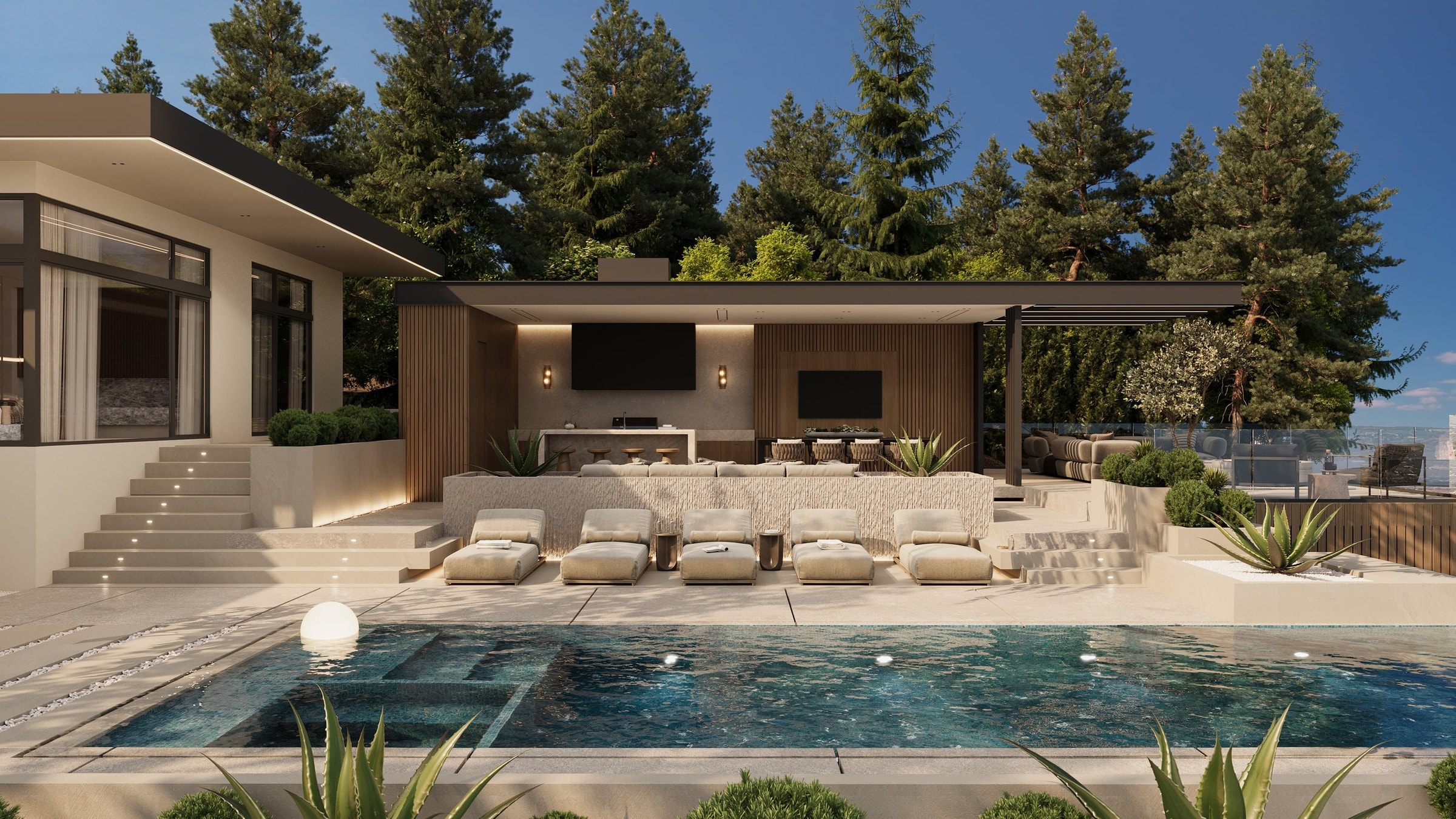
What design-build means for a Napa home
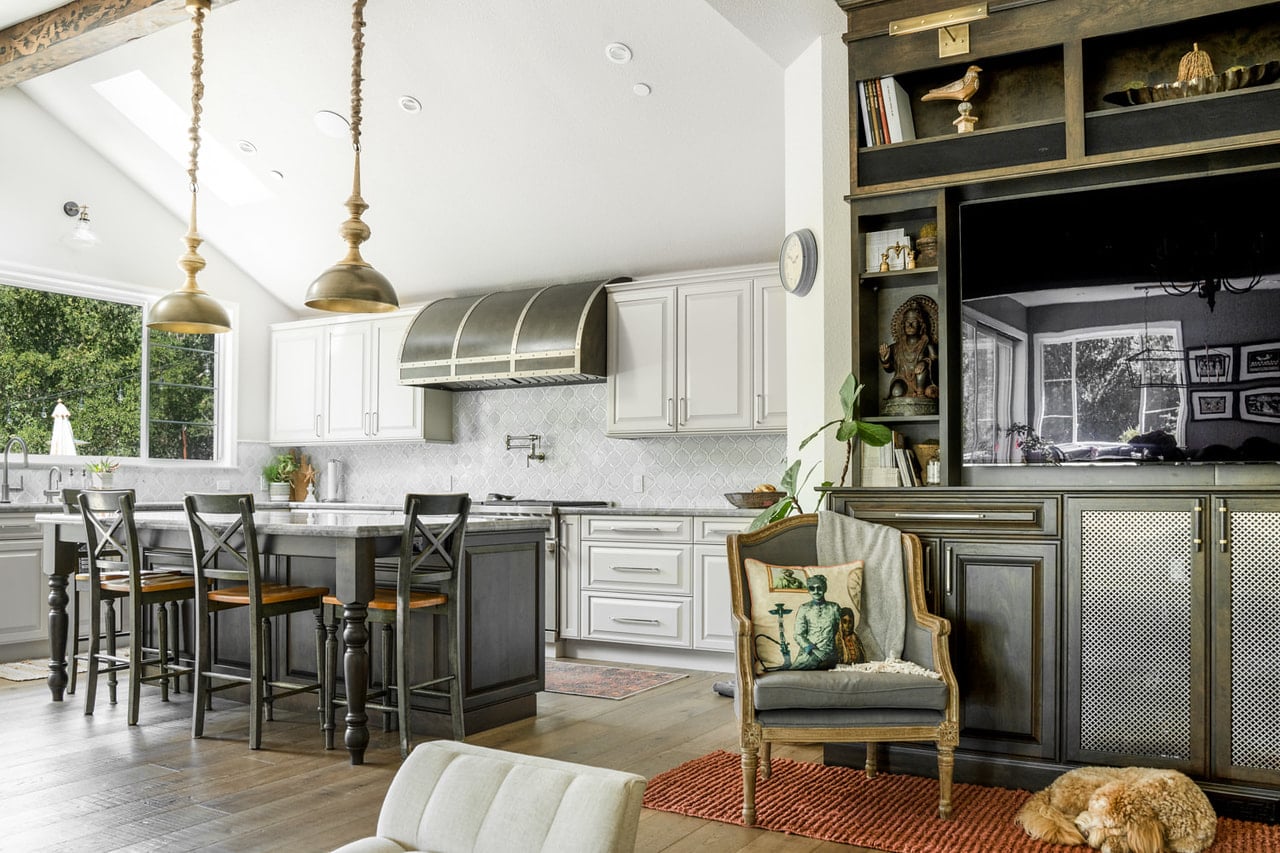
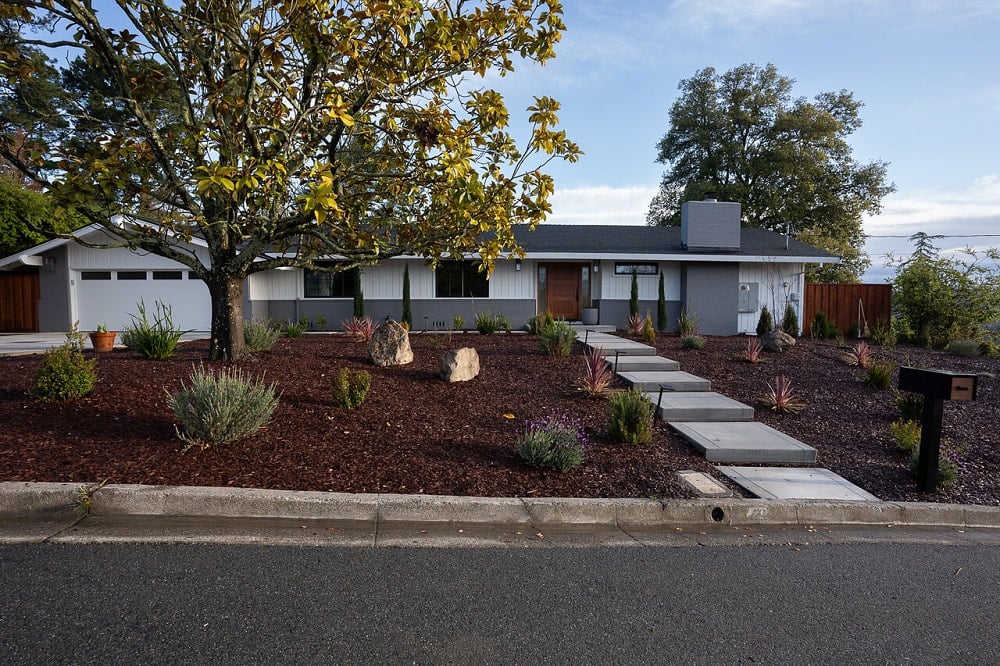
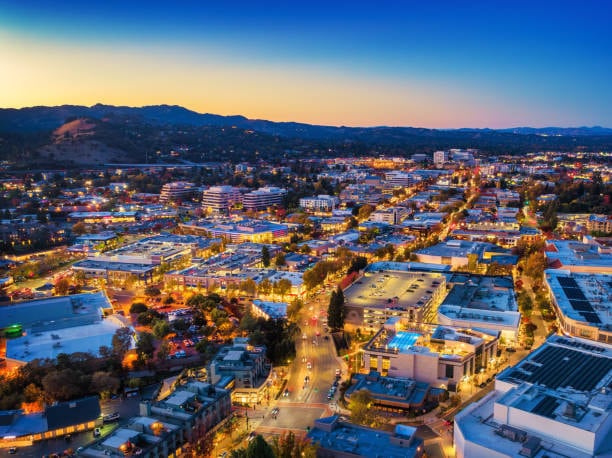
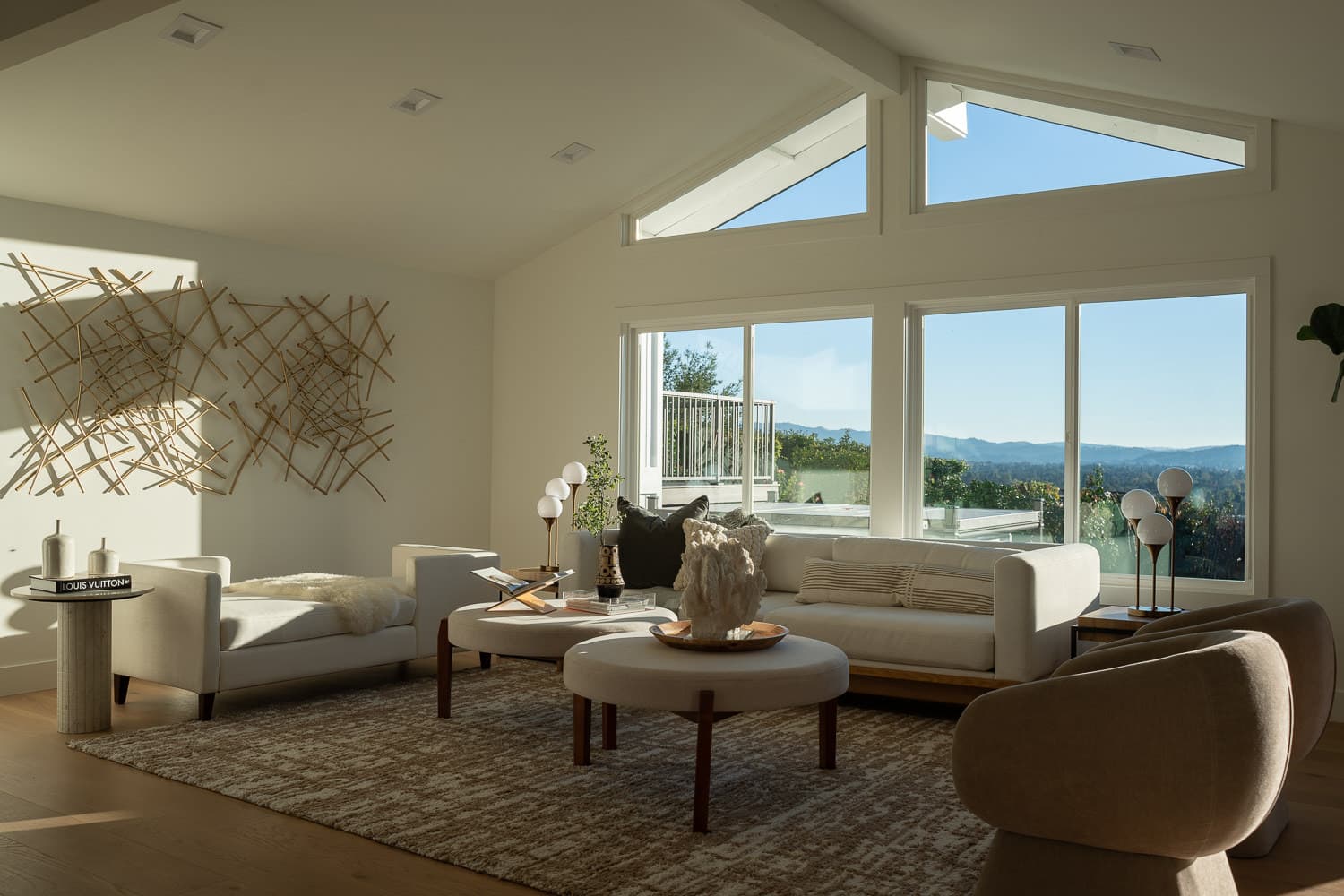
Most Napa projects we are asked about are not starter houses. They are vineyard estates off Silverado Trail, hillside homes above the valley floor, ranch properties in Carneros, and agrarian-modern remodels in Yountville, St. Helena, and the city of Napa itself. The brief is almost always the same in spirit: a quiet, warm, modern home that belongs to Wine Country rather than fighting it. Wide eaves, board-formed concrete or stone, big steel-and-glass openings that pull the room out to the vines, a kitchen built for hosting, a pool terrace that reads as one continuous space with the great room.
Design-build is the delivery method that fits this kind of work best. Instead of hiring an architect, then bidding the drawings out to a separate general contractor, then refereeing the two when reality and budget collide, you hire one team that designs and builds under a single contract. New Key Construction is that single team. We are also known locally as New Key Construction. Design and construction sit in the same room, share the same budget, and answer to the same person.
The design-build difference, stated plainly
Here is what one team actually changes:
- One team for design and construction. Designers, estimators, and the field crew work off one model and one set of numbers. There is no handoff where the design gets value-engineered into something you never agreed to, and no finger-pointing when something in the field does not match the drawing.
- Priced options up front. Before you commit to a direction, you see real options with real numbers attached. Steel windows versus clad-wood, a standing-seam roof versus tile, a 600-square-foot addition versus 900. You choose against a budget you can see, not a hope.
- 3D renderings before permits. We build your home in 3D and walk you through it before a single permit application goes in. You approve how the kitchen feels, where the light lands in the afternoon, how the addition meets the existing roofline, while changes still cost nothing but a few clicks.
That sequence, priced options and renderings first, is the whole point. In Napa, where a hillside site and a long approval path can stretch a schedule, the worst time to discover a problem is after permits and mid-construction. Design-build moves that discovery to the front.
Napa's planning and permit reality
Napa is not a place where you sketch something and start digging. The county and its cities are protective of agricultural land, viewsheds, and water, and the rules reflect it. A few realities that shape almost every project here:
- Ag zoning and the valley floor. Much of the unincorporated valley is zoned for agriculture, and what you can build, expand, or convert on a parcel with vineyard or AP/AW zoning is constrained. The design has to respect the agricultural use, not just the lot lines.
- Hillside and grading. Slope, drainage, and erosion control drive what is buildable on hillside sites, and they influence where the house can sit and how much grading the county will accept. We design to the topography early so the footprint survives review.
- Wildfire and the WUI. Large parts of Napa County sit in fire hazard zones, which brings wildland-urban-interface building standards into play: ignition-resistant assemblies, ember-resistant venting, defensible space, and access and water requirements. These are design inputs, not afterthoughts, so we fold them in from the first sketch.
- Wells, septic, and water. Many estate parcels run on wells and on-site septic rather than municipal service, which affects siting, capacity, and what a remodel or addition can add.
- Review takes time. Depending on the jurisdiction and the scope, a Napa project can involve discretionary review, and design review or use-permit steps add calendar time. Because design and engineering are coordinated under one roof, our submittals tend to be cleaner and need fewer correction cycles.
We do not guess at any of this. We confirm the specifics for your parcel and jurisdiction before promising a path, and we never quote ordinance numbers or fees we have not verified.
How a Napa design-build project runs with us
We start with discovery: the site, the parcel's zoning and constraints, your program, and a realistic budget range. From there our designers develop the home while our estimators price it in parallel, so the design and the number grow together. You review priced options and 3D renderings, we lock the scope you approved, and we prepare and shepherd the permit set through the relevant Napa city or county departments. Then the same team builds it, with the field crew working from the model they helped price.
Because there is one contract and one point of accountability, you are not translating between an architect and a builder who have never met. You make decisions once, against numbers you can see, with the people who will actually pour the concrete.
Built for indoor-outdoor Wine Country living
The thing high-end Napa clients want most is the dissolve between inside and out: a great room that opens fully to a covered loggia, a kitchen that spills to an outdoor counter and dining terrace, a primary suite that wakes up to the vineyard. Those moments are exactly where design and construction have to agree, on structure, on glazing, on how the roof and the slab and the drainage all line up. Design-build keeps that conversation in one team, so the detail you fell in love with in the rendering is the detail that gets built.
FAQ
What is design-build and how is it different from hiring an architect and a contractor separately?
Design-build means one company handles both the design and the construction under a single contract. Instead of an architect drawing plans and then handing them to a separately hired contractor to bid and build, our designers, estimators, and field crew work together from day one. You get one point of accountability, pricing that tracks the design as it develops, and no gap for the project to fall into between two firms.
Can you handle Napa's permitting and approvals?
Yes. We prepare and manage the permit set through the appropriate Napa city or county departments, coordinating the engineering and design so submittals are clean. We also design from the start for the constraints that matter here, ag zoning, hillside grading, wildfire and WUI standards, and well or septic considerations, and we verify the specific requirements for your parcel before committing to a path rather than guessing.
Will I see what my home looks like before construction?
Yes. We build your home in 3D and walk you through it before any permit application goes in. You approve the layout, the materials, and how the spaces feel while changes are still free. Combined with priced options up front, that means you sign off on both the look and the number before we break ground.
What kinds of Napa projects do you take on?
We focus on high-end whole-home work: new custom homes on vineyard and hillside parcels, large additions, and full remodels of estate and ranch properties across the city of Napa, Yountville, St. Helena, and the surrounding valley. The agrarian-modern, indoor-outdoor brief that defines Wine Country living is squarely where design-build delivers the most value.
How does pricing work in design-build?
Pricing is built into the process rather than bolted on at the end. As the design develops, our estimators price it in parallel and present priced options so you can weigh choices against a real budget. By the time the design is final, the number is too, which removes most of the surprise that comes from designing first and bidding later.