One team for design and construction in Portola Valley
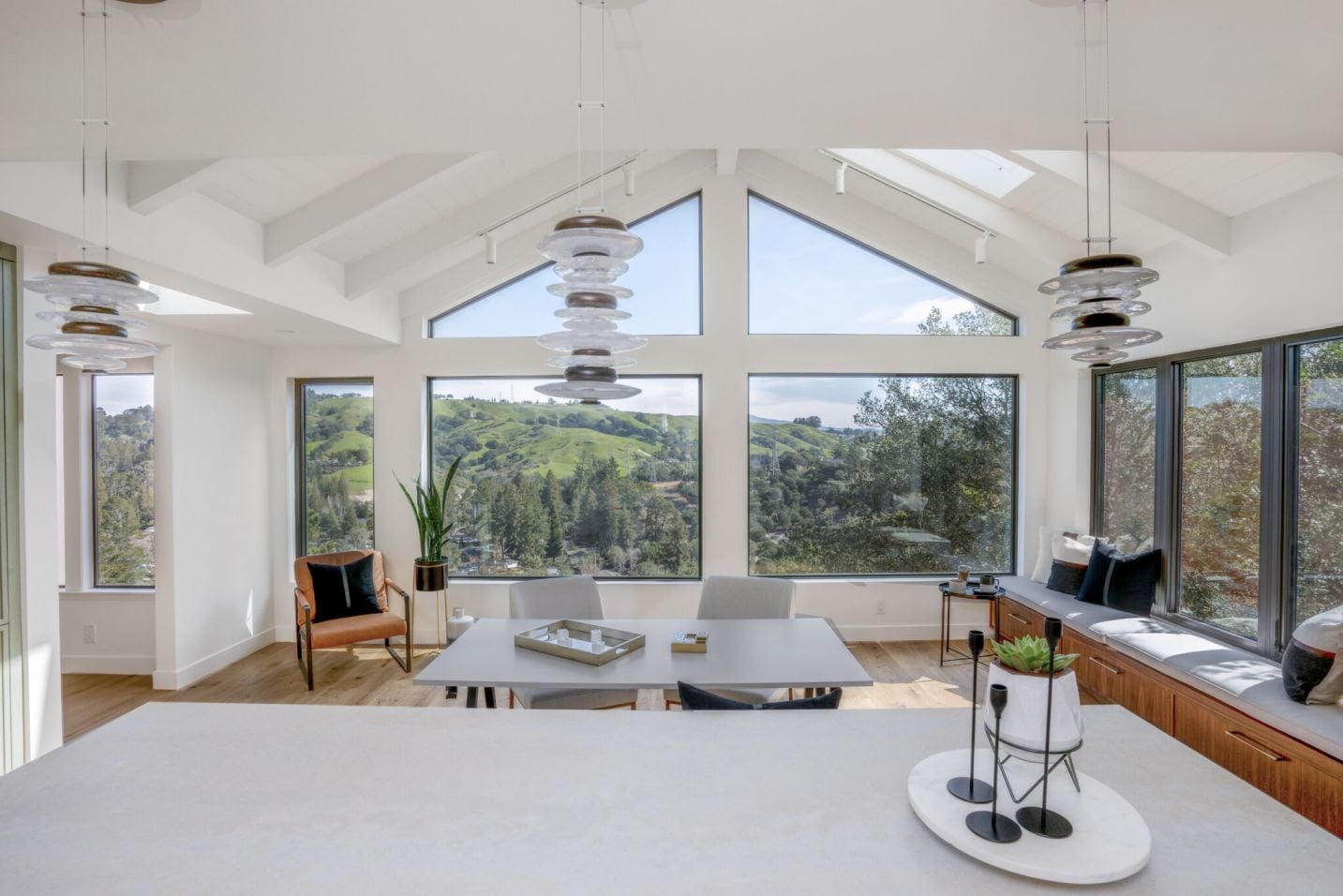
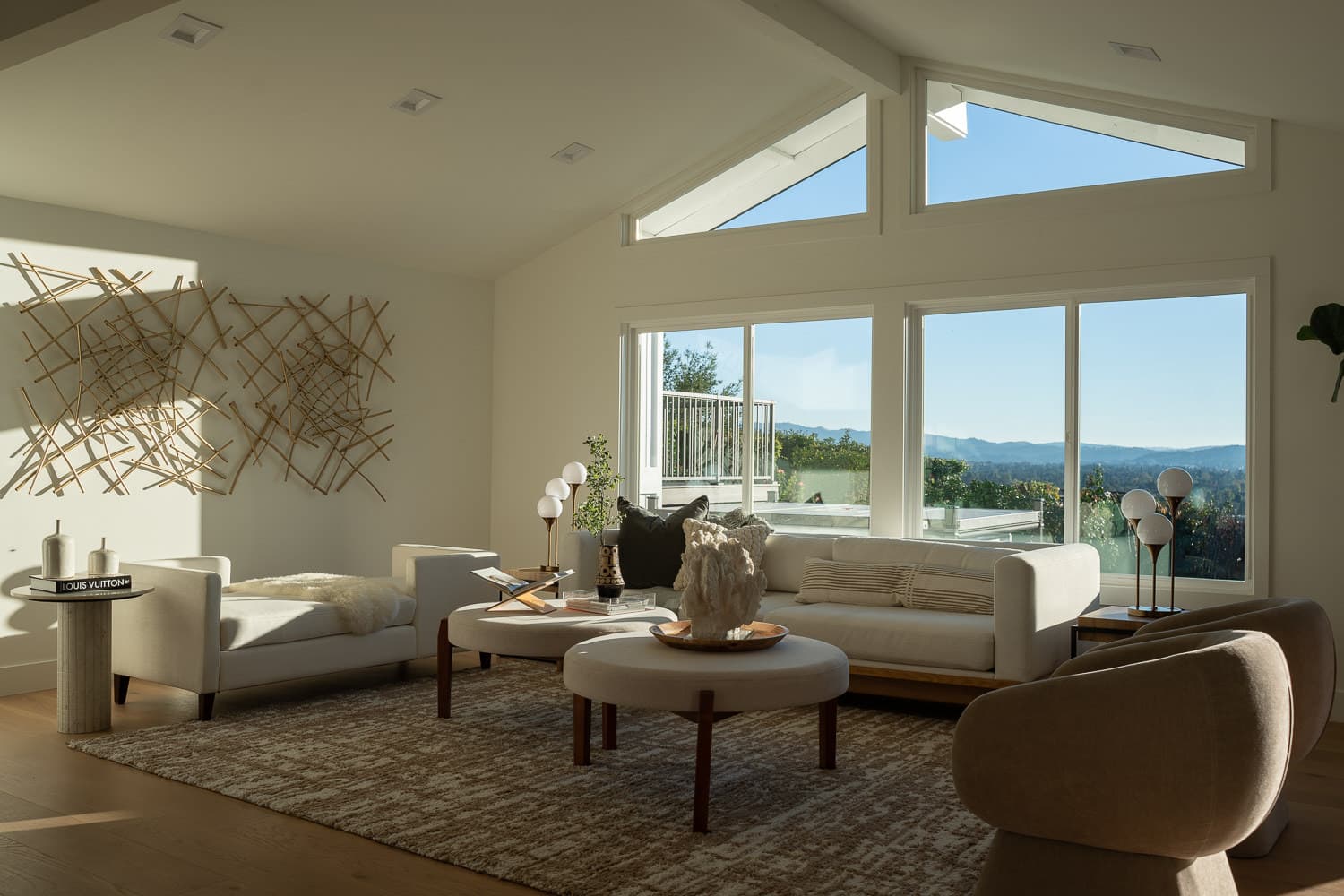
Portola Valley homes are not standard projects, and they do not respond well to a standard process. Most sit on wooded hillsides and ridgelines, set among heritage oaks, with views that residents protect carefully. The architecture here leans organic-modern: low-slung volumes, natural wood and stone, big glass that opens to the trees, and rooflines that follow the slope instead of fighting it. A high-end client in Portola Valley usually wants a home that feels quiet and rooted in its site, not imposing on it.
That is exactly the kind of project where the design-build model earns its keep. Design-build means one team carries the work from first concept through final construction. Instead of hiring an architect, then bidding the drawings to a separate general contractor, then refereeing the two when the budget and the design disagree, you work with a single accountable group. We design it, we price it, and we build it. When a structural idea, a material, or a hillside condition affects cost, you hear about it while it can still change the drawing, not after the contract is signed.
Why design-build fits hillside and constrained sites
The reason design-build matters more here than on a flat lot comes down to the local reality of building in Portola Valley. Much of the town lies in hillside and geologically sensitive terrain, so projects commonly require a soils and geotechnical review before a design can be finalized. The grading, the foundation type, and sometimes the footprint itself depend on what that review finds. In a split arrangement, the architect often designs first and learns about a geotechnical constraint later, which forces a redesign and a re-bid. With one team, your designer and your builder read the same geotechnical findings together and adjust the plan once.
Portola Valley also protects its night sky and its trees. The town is known for dark-sky-minded outdoor lighting expectations and for protections around significant and heritage trees, which shape where you can build, how close to a tree you can excavate, and how the exterior reads after dark. A design-build team plans the home, the site work, and the lighting as one connected scope, so a beautiful rendering does not collide with a tree protection setback or a lighting concern during review. We design to the rules from the start rather than redrawing to meet them later.
What our design-build process looks like
Our differentiator is simple, and we state it plainly. You get one team for design and construction, priced options up front, and 3D renderings before permits.
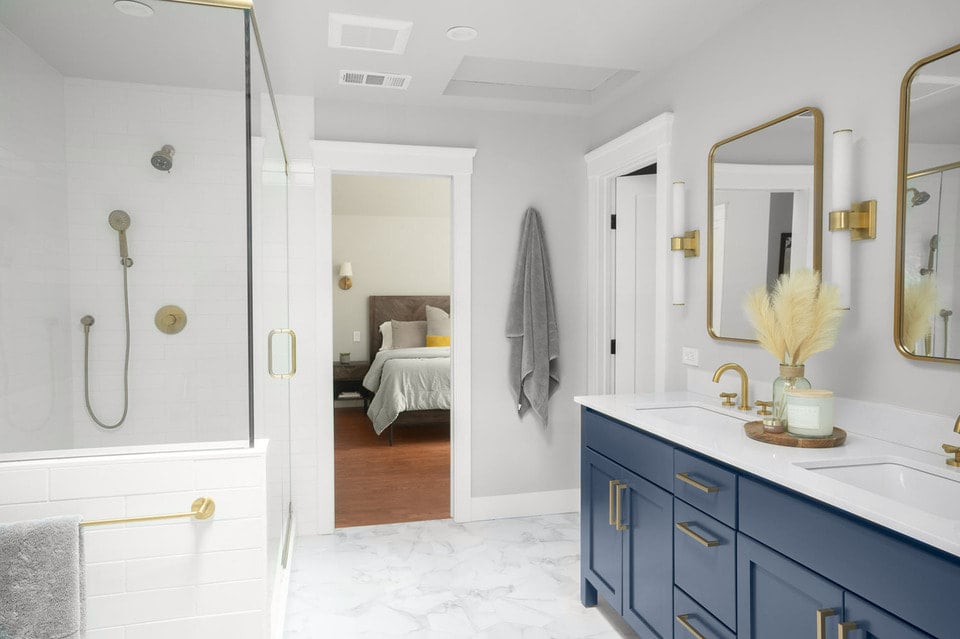
In the design phase, we develop your home as real, photorealistic 3D renderings. You walk through the kitchen, the great room, and the way light moves across the site before anything is committed to a permit set. Because the same team will build it, every design choice carries a real construction cost beside it. When you are deciding between a steel-and-glass corner and a more traditional framed wall, or between two stone options, you see the price of each as a clear option, not a vague allowance.
That pricing-up-front discipline is what keeps a Portola Valley project from drifting. Hillside foundations, custom glazing, and site access on narrow roads are where budgets usually break in this area. We surface those costs during design, while you can still trade one thing for another, so the number you approve is the number we build to.
Working through Portola Valley planning and permits
Because hillside and tree-sensitive projects here often involve geotechnical review and design review, the planning timeline can be longer and more iterative than in a flatter town. A design-build team manages that as one continuous effort. We coordinate the geotechnical and civil scope, prepare a permit set that already reflects those findings, and keep the design, the engineering, and the construction plan aligned through each round of review. You are not relaying messages between an architect and a builder who have never spoken.
The payoff is fewer surprises. The renderings you approved, the priced options you chose, and the home that gets built are the same project the whole way through, because the same team owns all of it.
FAQ
What does design-build mean for my Portola Valley project?
Design-build means one team handles both the design and the construction of your home under a single point of accountability. Rather than coordinating a separate architect and general contractor yourself, you work with us from concept through completion. For Portola Valley's hillside and tree-sensitive sites, that keeps the design, the geotechnical engineering, and the construction plan moving together instead of in conflict.
How is this different from hiring an architect and a builder separately?
In the traditional split model, the architect designs, the builder bids later, and the budget often does not match the drawings. With design-build, pricing happens alongside design, so cost feedback shapes the plan in real time. You approve priced options up front and avoid the redesign-and-rebid loop that hillside constraints frequently trigger when design and construction are handled by separate firms.
Why do you create 3D renderings before pulling permits?
Because we want you to see and approve your actual home before money goes into a permit set or construction. Photorealistic 3D renderings let you experience the spaces, materials, and how the home sits on its site early, when changes are easy and inexpensive. It also helps confirm the design works with Portola Valley's tree, hillside, and dark-sky considerations before review begins.
Does design-build help with Portola Valley's hillside and tree rules?
It helps considerably. Many local projects involve geotechnical review for hillside terrain plus protections for significant and heritage trees and dark-sky-minded exterior lighting. A single team designs to those conditions from the start and adjusts once when findings come in, rather than redrawing after the fact, which keeps the project coherent through planning and permits.
When should I bring in a design-build team?
As early as possible, ideally before the design is locked. The biggest advantage of design-build comes from involving the builder during design, when site access, foundation type, glazing, and material choices can still be priced and traded against each other. Starting early on a Portola Valley lot also gives time to fold geotechnical and tree considerations into the plan before they force changes.