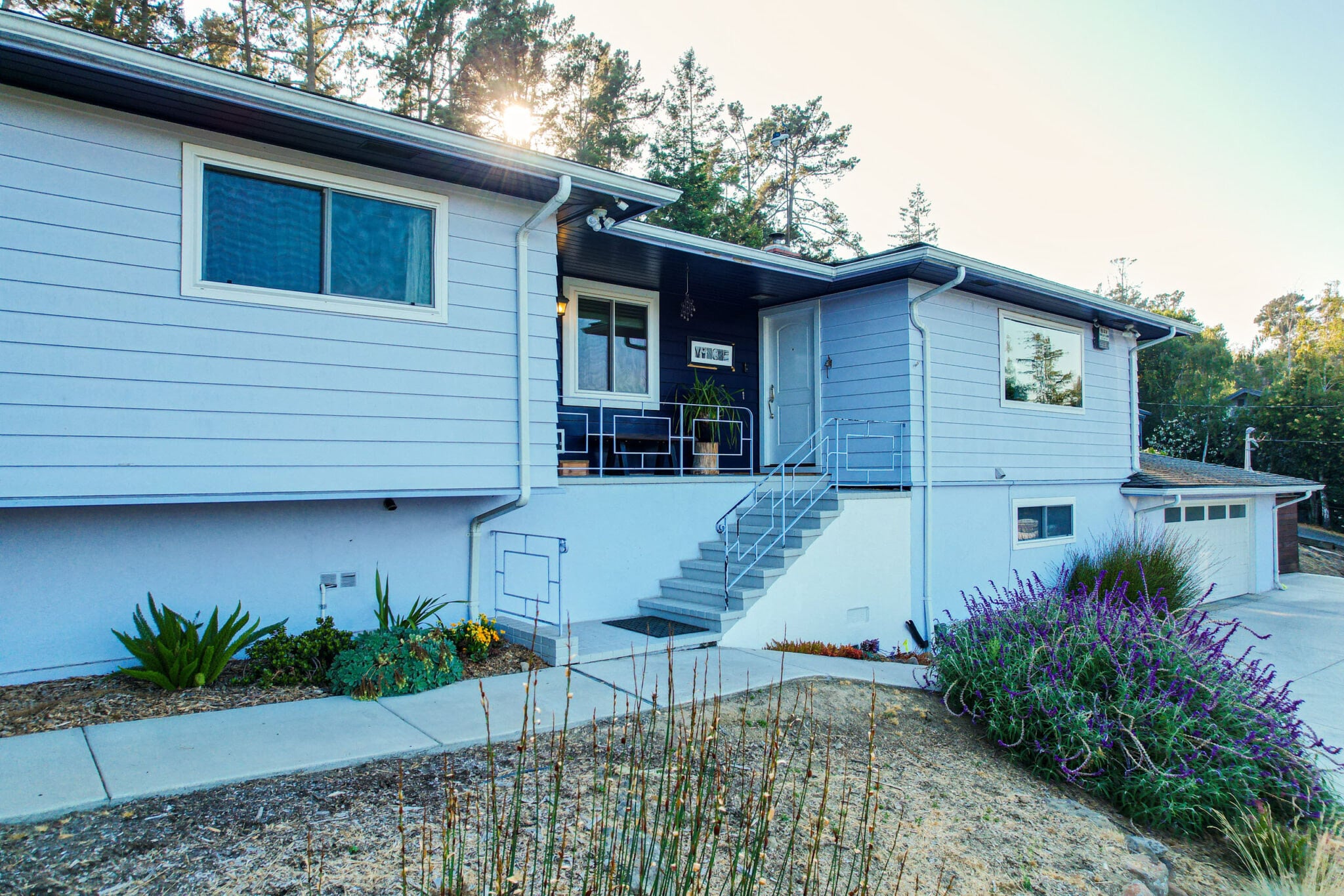
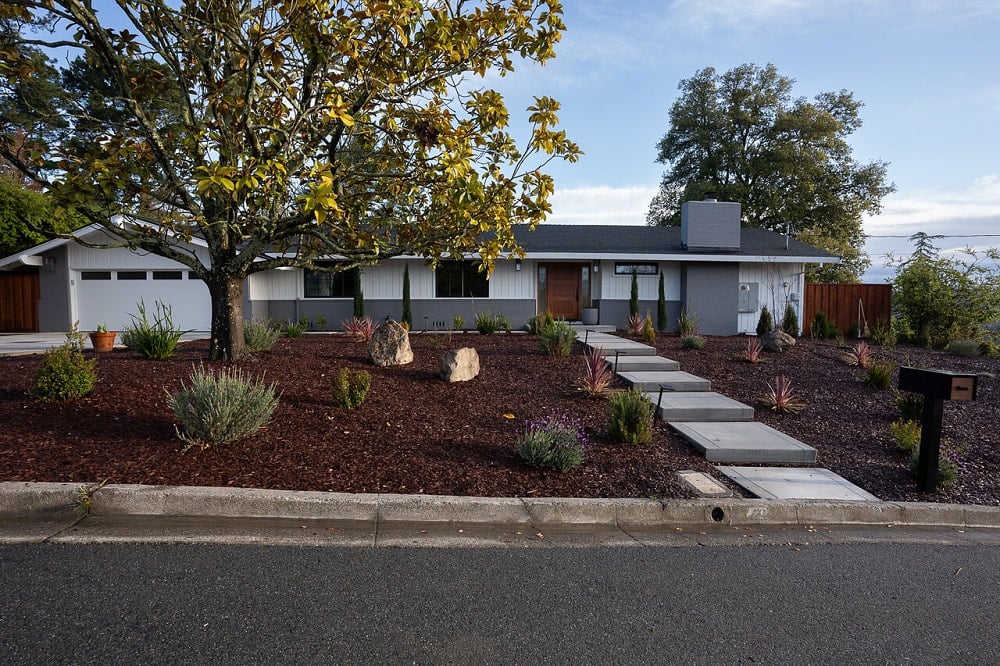
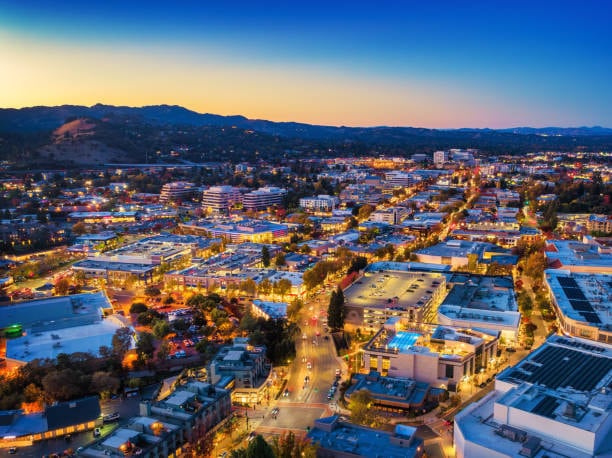
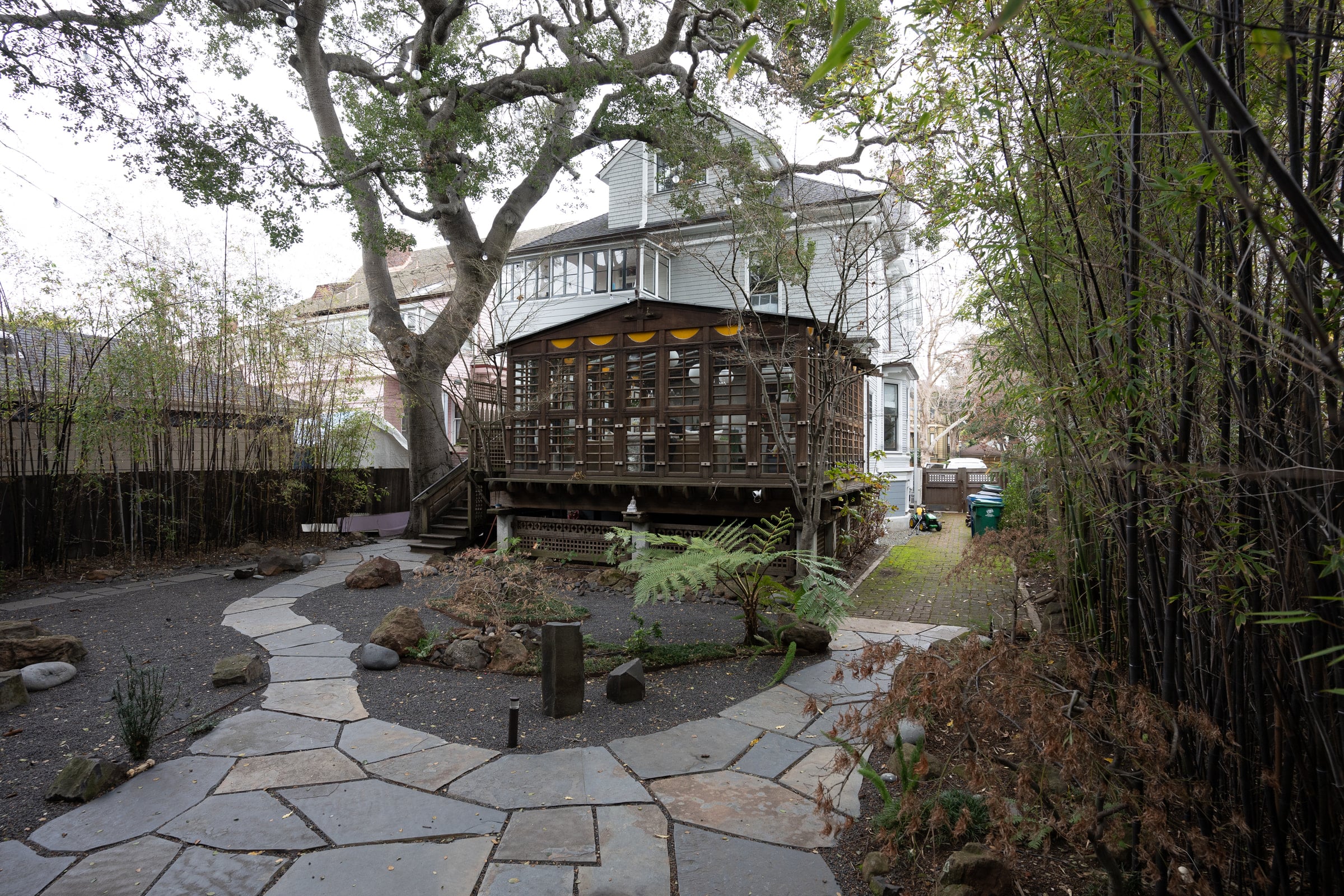
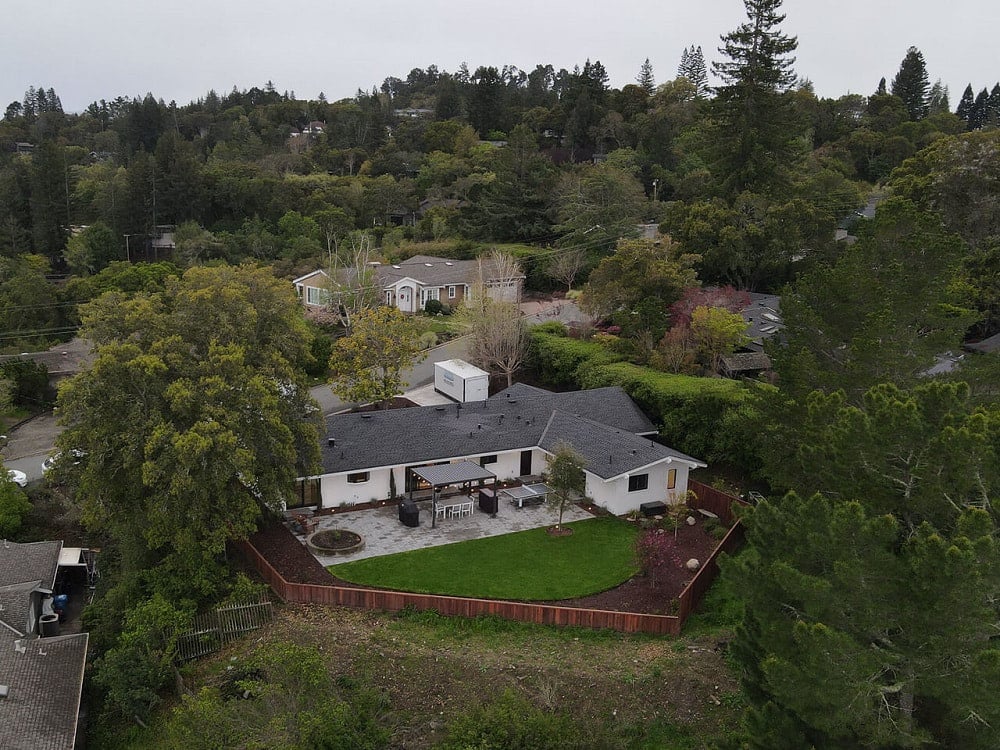
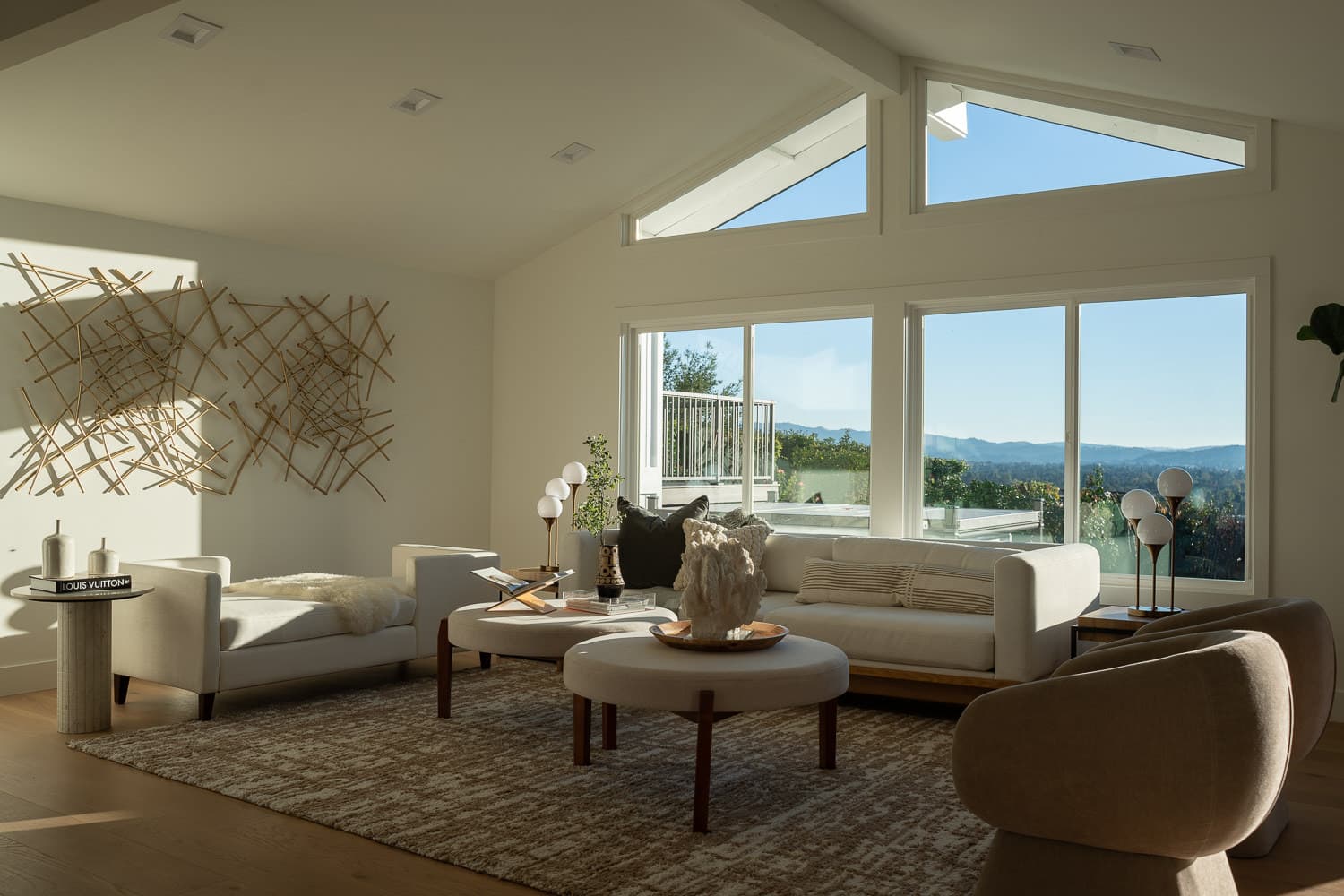
Menlo Park homes do not share a single look, and neither do their yards. On the older streets near Allied Arts you find craftsman and Spanish-revival bungalows on tighter, character-rich lots where the garden has to feel rooted and mature. Push west of El Camino and the lots open up, and you see everything from mid-century ranches to ground-up modern builds where the outdoor space is expected to read as a true extension of the architecture. What ties these clients together is a high bar: a Menlo Park homeowner investing in landscape design and outdoor living wants a yard that performs like another room of the house, holds its value, and looks intentional in every season, not a collection of plants dropped around a patio.
What outdoor living means for a Menlo Park home
For most of our Menlo Park clients, "outdoor living" is shorthand for a real program, not a vibe. That usually includes some mix of a covered or pergola-shaded dining area, an outdoor kitchen or built-in grill, a fireplace or fire feature for the cool Peninsula evenings, level lawn or play space for kids, and a pool or spa where the lot allows. The landscape design has to make those pieces talk to each other: sightlines from the kitchen window, a clean transition from interior floors to exterior paving, lighting that lets the space carry from dinner into the night, and planting that gives privacy from neighbors without walling the yard in.
The west-side lots reward this kind of thinking because there is room to zone the yard, an entertaining terrace near the house, a quieter garden or vegetable beds further out, a lawn in between. On the smaller Allied Arts and downtown-adjacent lots, the work is more about restraint and craft: getting the proportions right, choosing fewer materials, and making a compact garden feel generous. Either way, good landscape design here is mostly decisions about flow, grading, drainage, and the long-term shape of the planting, not just what looks good on day one.
The local planning and permit reality
The thing that surprises a lot of homeowners is how much of an outdoor project touches the permitting process. In Menlo Park, the simple-looking items rarely stay simple. Pools and spas, retaining walls past a certain height, decks, outdoor kitchens with gas and electrical, drainage changes, and significant grading typically pull permits and review, and anything that affects a protected or heritage tree brings the city's tree rules into the conversation. Lot coverage, setbacks, and how much new impervious surface you are adding all factor in, and they factor in differently on a deep west-side lot than on a tight downtown parcel.
Menlo Park's review process is known for being thorough and can run longer than people expect, so the worst outcome is designing a yard, falling in love with it, and then discovering it does not pencil against the rules. We design with that reality in front of us from the start. We are not going to quote you an exact fee or timeline here, because those depend on your specific scope and the city's current queue, but we will tell you plainly which parts of your project are likely to trigger review and we will plan the drawings and the schedule around it rather than treating permits as an afterthought.
Why design-build changes the outcome
Most landscape headaches come from the seam between the people who design and the people who build. A designer hands over a beautiful plan, the contractor prices it, and the number comes back far over budget or the details do not survive construction. We close that seam by being one team for both design and build.
That means three concrete things for your project. First, you get priced options up front. As the design develops, you see what each choice actually costs, the higher-end paving versus the alternative, the full outdoor kitchen versus a phased version, so you are making decisions with real numbers instead of guessing and getting a shock at bid time. Second, we produce 3D renderings before permits. You walk the space, see the materials and the planting at maturity, and adjust while changes are cheap, on screen, instead of expensive, in concrete. Third, because the same firm carries the project from concept through the final plant and light, the details that make a yard feel custom, the grading, the drainage, the joints in the stone, the lighting layout, get built the way they were drawn.
For a Menlo Park homeowner, that integration is also what keeps a permit-heavy outdoor project from stalling. The drawings that win you a buildable design are the same drawings that go to the city and the same drawings the crew builds from. Nothing gets lost in translation, and there is a single team accountable for the result.
How a project takes shape
We start by understanding how you actually want to use the yard and what your home's architecture is asking for, then we walk the lot for sun, grade, drainage, privacy, and trees. From there we develop a design with priced options and 3D renderings, refine it with you until it is right, and only then move into permitting and construction with a clear scope. The goal is simple: an outdoor living space that fits your Menlo Park home, clears the city's process without drama, and feels like it was always meant to be there.
FAQ
Do I need a permit for a landscape and outdoor living project in Menlo Park?
It depends on the scope. Planting, lawn, and many surface-level updates often do not, but pools and spas, taller retaining walls, decks, outdoor kitchens with gas or electrical, meaningful grading or drainage changes, and any work affecting protected trees typically trigger permits or review. As a design-build firm, we flag which parts of your specific project are likely to need approval at the design stage, so there are no surprises later. We do not guess at fees or timelines until your scope is defined and we have checked the city's current requirements.
What does outdoor living design usually include?
For Menlo Park homes it commonly includes a dining or lounge terrace, an outdoor kitchen or grill, a fire feature, level lawn or play space, privacy planting, landscape lighting, and a pool or spa where the lot supports it. The real work is connecting those pieces into one coherent space with good flow, grading, drainage, and sightlines from the house, rather than treating each as a standalone add-on.
How is design-build different from hiring a separate landscape designer and contractor?
With separate firms, the design and the construction budget often do not match, and details can get lost when the project changes hands. As one team for both, we give you priced options as the design develops and 3D renderings before permits, so you make decisions with real numbers and a clear picture. The same team then builds what was drawn, which keeps the budget honest and the details intact.
Can you work with both older Allied Arts bungalows and modern west-side homes?
Yes. The approach changes with the home. On tighter older lots the emphasis is craft, proportion, and making a compact garden feel generous, while larger west-side lots allow us to zone the yard into distinct outdoor rooms. In both cases the design is driven by your home's architecture and how you want to live outdoors.
When should I bring in a landscape designer for a Menlo Park project?
Earlier is better, especially given how much of an outdoor project can touch the city's review process. Starting at the design stage lets us shape the project around setbacks, lot coverage, trees, and drainage from the beginning, produce priced options and renderings before you commit, and avoid designing something that will not clear permitting.