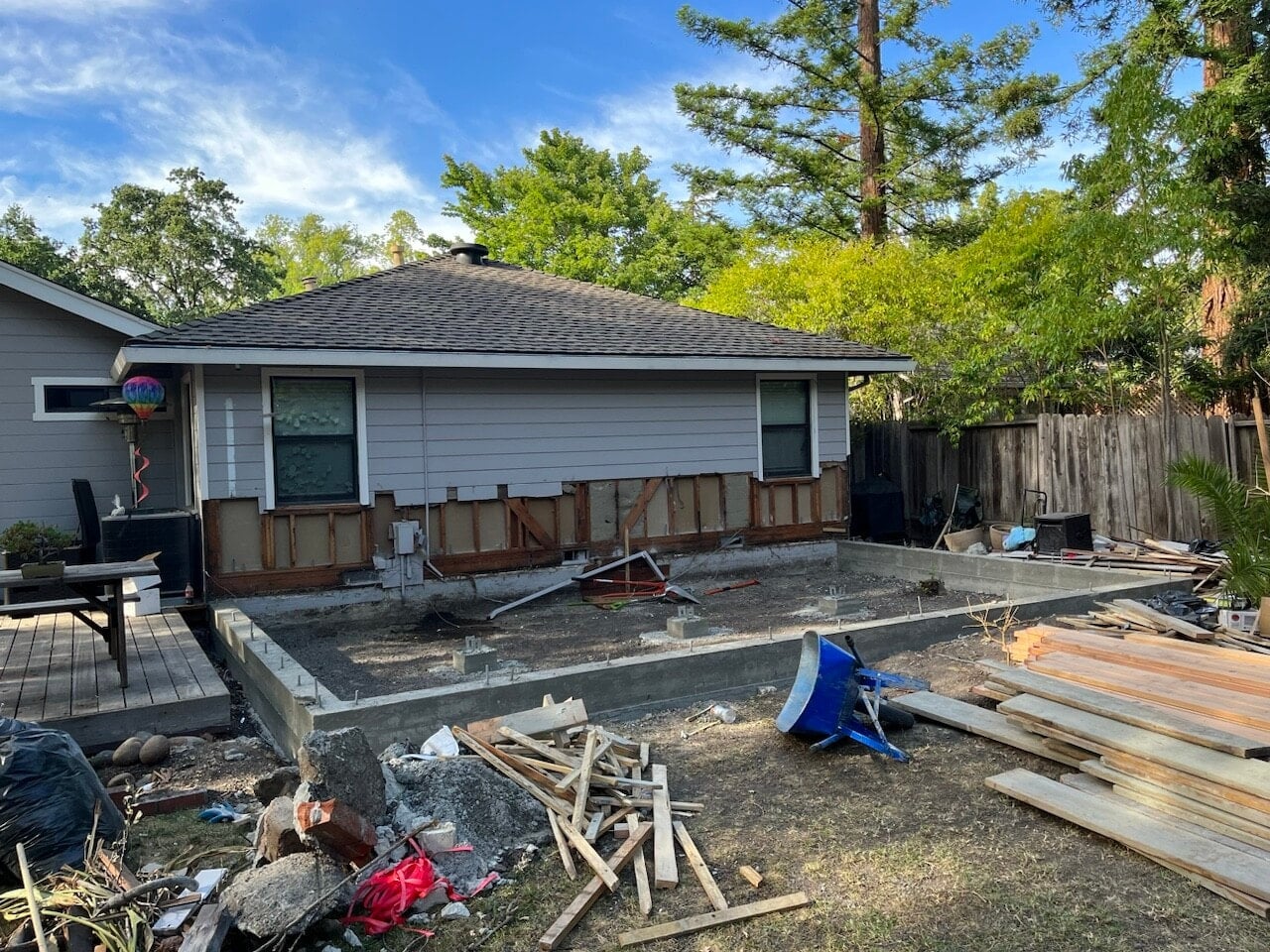
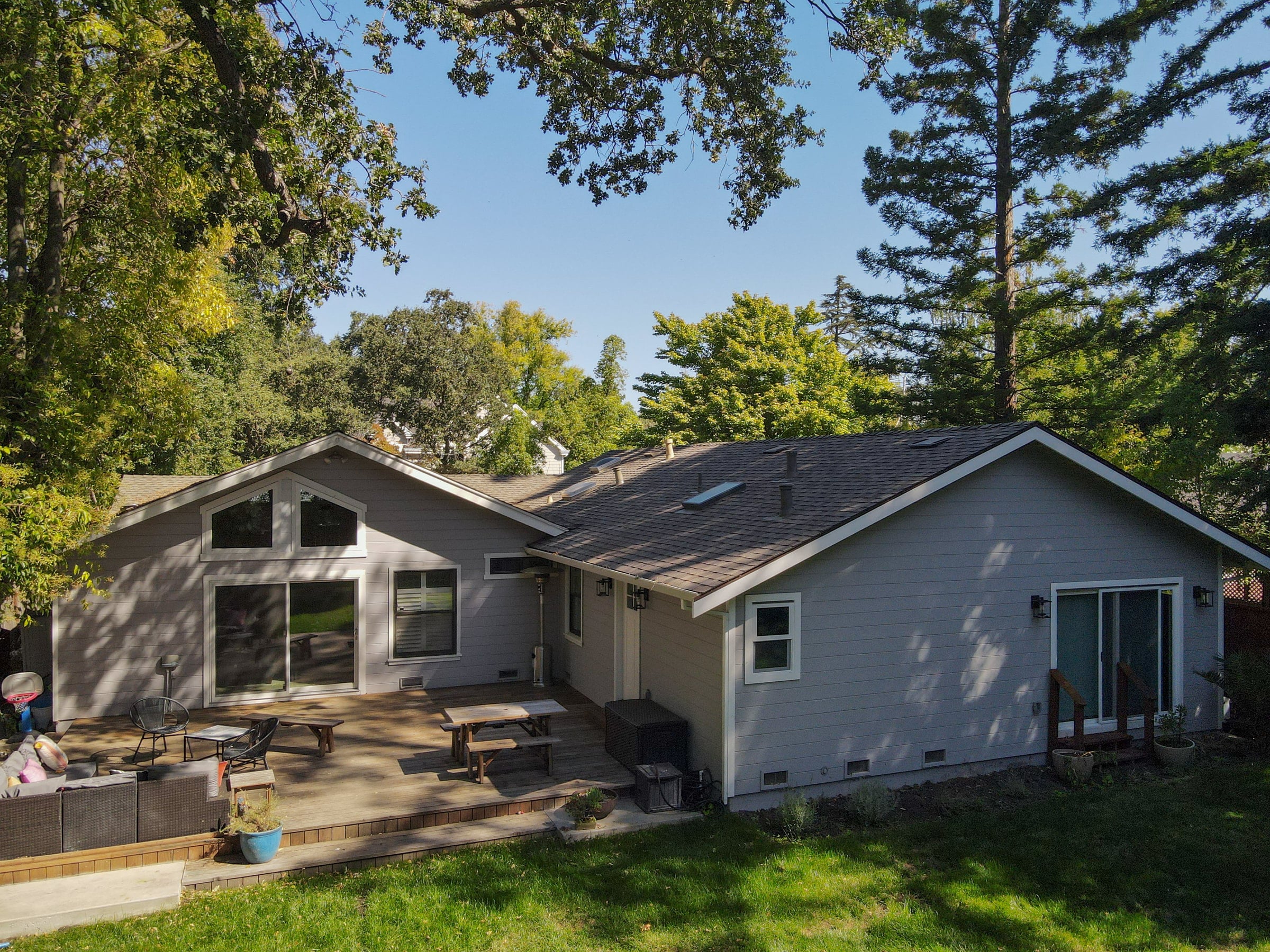
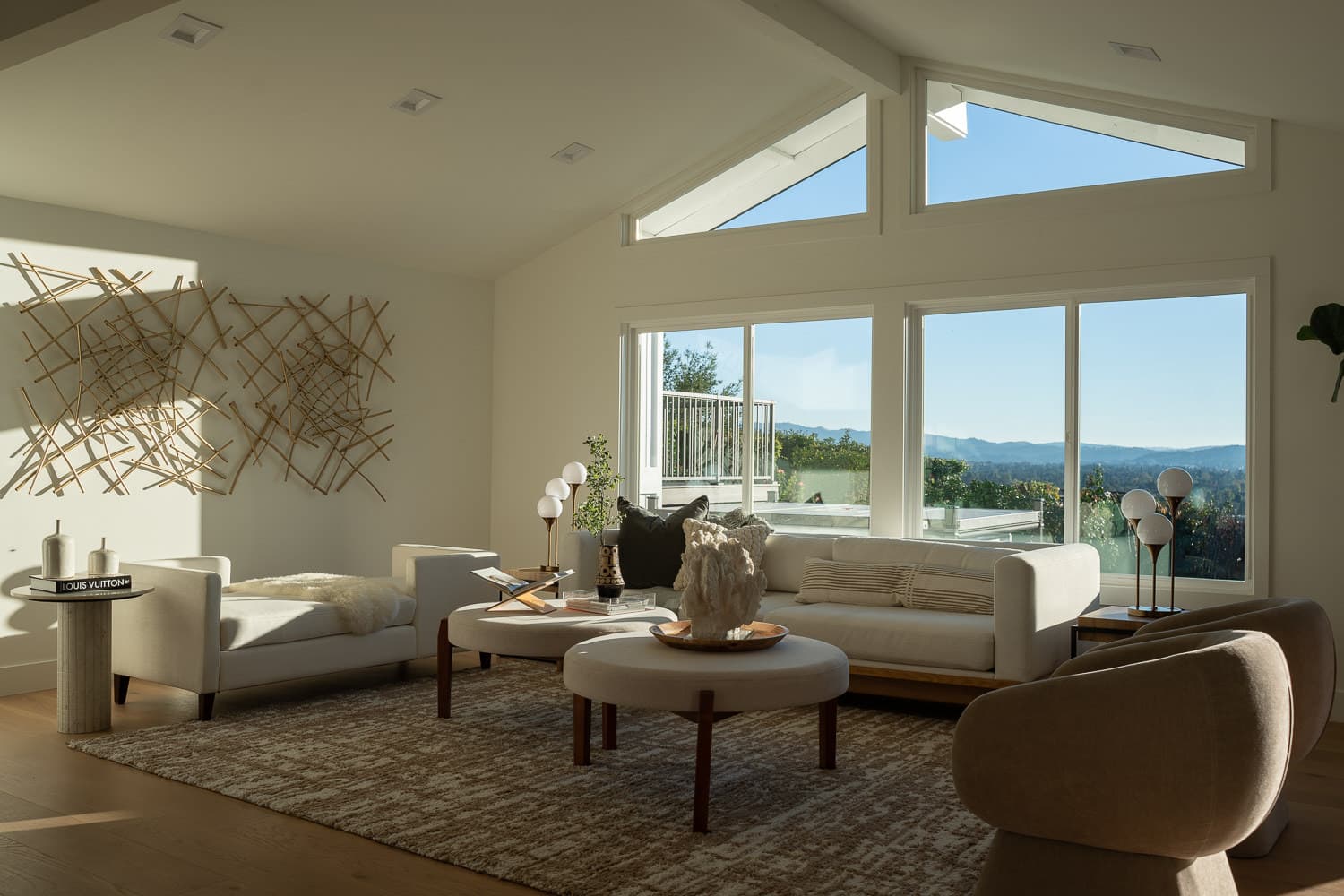
Menlo Park homes rarely give themselves up easily to an addition. On the streets around Allied Arts you find tucked-in bungalows and period cottages with low rooflines and tight footprints. Push west toward the larger lots near Sharon Heights and the West Menlo neighborhoods and the homes open up, but so do the expectations: a high-end client here is usually weighing whether to add ground-floor square footage, build up into a full second story, or do both as part of a larger remodel. Most of our addition clients in Menlo Park are not trying to move. They like their block, their commute, and their schools, and they want the house to grow into the next decade of family or work-from-home life without losing the character that made them buy it.
What a Menlo Park addition usually needs to solve
The briefs we hear repeat themselves. A growing family that needs a real primary suite and one or two more bedrooms. A 1950s ranch that wants a second story so the main level can become open living and the parents can move upstairs. A tech household that needs two genuine home offices with sound separation, not a converted closet. A kitchen and family room that no longer fit how people actually gather. Each of these is a different addition strategy, and the right one depends on your lot, your existing structure, and how far you want to push.
Ground-floor additions tend to be the path when you have the rear or side yard to spend and you want to keep living on one level. Second-story additions are how you add real square footage on a constrained Menlo Park lot without losing your garden or your setbacks, and they are also the bigger structural and design commitment. A new floor changes the roofline, the stair location, the foundation loads, and often the entire street-facing elevation. Done carelessly it reads as a box dropped on a cottage. Done well it looks like the house was always meant to be two stories.
The local planning and permit reality
Additions in Menlo Park go through the City's Community Development Department, and the rules that shape your project most are the residential zoning standards: setbacks, lot coverage, floor area limits, and height. Second-story additions in particular draw scrutiny on height, daylight plane, and how the new massing affects neighbors and the streetscape, which is why some projects trigger additional design review rather than a straight over-the-counter permit. West-side lots are frequently larger, which can give you more room to work within coverage and setback limits, but larger does not mean unconstrained. Properties near creeks, heritage trees, or in flood-aware zones carry their own added review steps.
We will not quote you a fee schedule or a fixed timeline on a web page, because those change and they depend entirely on your parcel and scope. What we will do early is read your specific lot against the current standards, tell you honestly whether you are looking at a streamlined permit or a longer review, and design to that reality from day one instead of discovering it after drawings are done. The fastest Menlo Park addition is the one drawn correctly for the rules the first time.
Why design-build changes the math on an addition
Most addition headaches come from the handoff between the person who designed it and the people who build it. We remove that handoff. New Key Construction is a single design-build team, so the architect, the designer, and the builder are working from the same drawings and the same budget from the first meeting.
That means three concrete things for your Menlo Park addition. First, one team for design and build, so there is no finger-pointing between an outside architect and a separate general contractor when something needs a decision in the field. Second, priced options up front, so when we show you a single-story extension versus a full second story, each option comes with a real construction number attached, not a sketch you have to take to bids later and hope it pencils. Third, 3D renderings before permits, so you can see how the new second story meets the existing roof, how the new windows read from the street, and how the added square footage feels from inside, while it is still cheap to change.
How an addition project runs with us
We start with discovery and your specific brief, then a site survey and a 3D scan of the existing house so the addition is drawn against reality rather than old as-builts. From there we develop the design through priced options, lock the direction you want, and produce renderings before anything goes to the City. Permitting and construction follow with the same team carrying the project through. Because the people who priced it are the people who build it, the number you approve and the house you get stay tied together.
If you are weighing a home addition or a second-story addition in Menlo Park, the most useful first step is a conversation about your lot and what you actually want the house to do. We will tell you plainly what your parcel allows, what the trade-offs are between adding out and adding up, and what it costs before you commit.
FAQ
Should I add a second story or extend on the ground floor?
It depends on your lot and your goals. If you have usable side or rear yard and want to stay on one level, a ground-floor addition is often simpler structurally. If your lot is tight or you want to protect the garden, building up adds real square footage without spending your setbacks. A second story is a larger structural and design commitment, so we usually model both as priced options with renderings before you decide.
Do second-story additions in Menlo Park need extra review?
They can. Second-story additions often draw closer attention to height, daylight plane, and how the new massing affects neighbors and the street, which can mean additional design review beyond a routine permit. The specifics depend on your zoning district and parcel. We read your lot against the City's current standards early so the design is built for the right review path from the start.
Can you keep the addition looking original to my home?
Yes, and on Allied Arts era cottages and period homes that is usually the whole point. We design the new square footage to carry the existing rooflines, proportions, and materials so the addition reads as part of the house rather than a bolt-on. The pre-permit 3D renderings are where we prove that the street-facing elevation still feels like your home.
How does design-build save time and money on an addition?
One team designs and builds, so the budget and the drawings stay connected from the first meeting. You see priced options before you commit and 3D renderings before permits, which means fewer expensive surprises in the field and no gap between an architect's vision and what a separate builder is willing to construct. Decisions get made once, by the people responsible for both sides.
Will you tell me upfront what my lot actually allows?
Yes. Before we get deep into design, we review your specific parcel against Menlo Park's setback, coverage, floor area, and height standards and tell you honestly whether you are looking at a streamlined permit or a longer review. We would rather design to your real constraints from day one than redraw later.