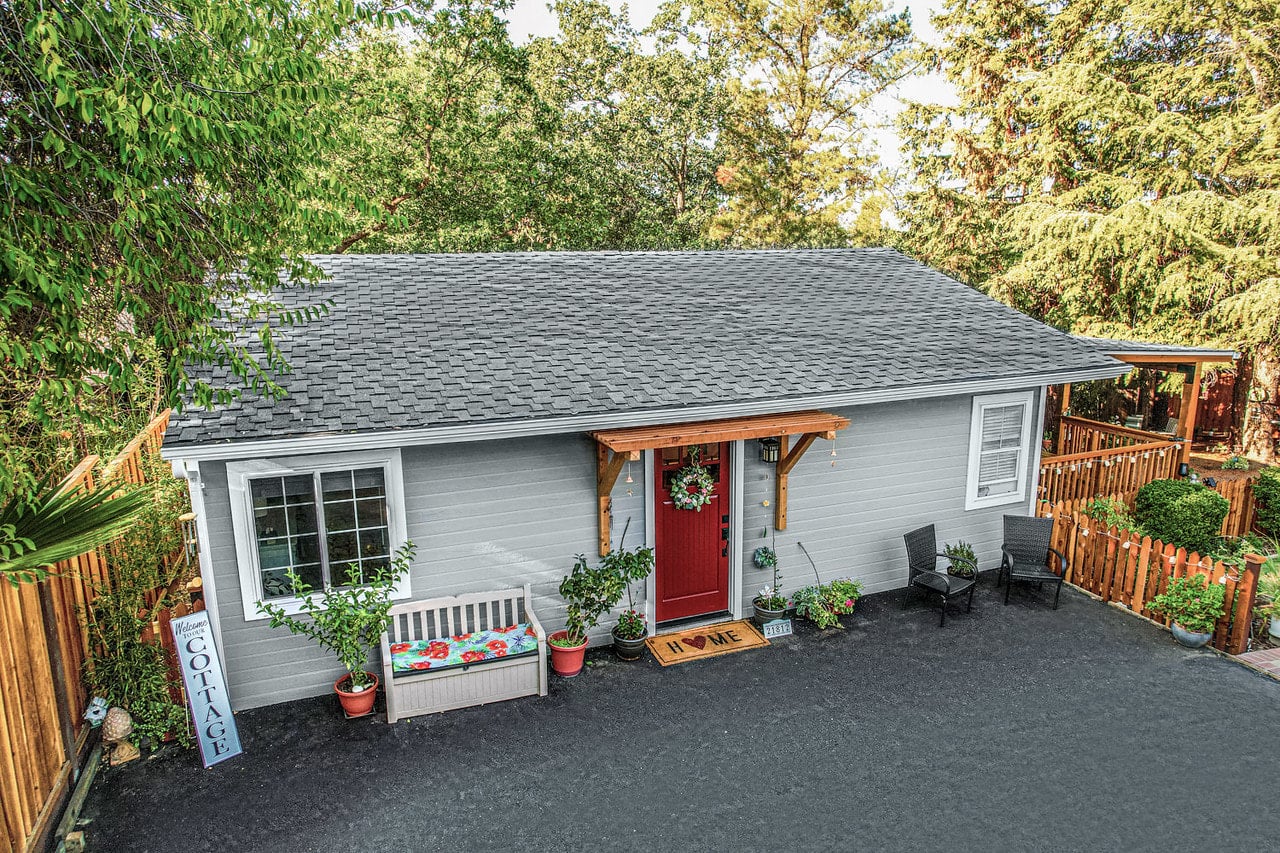
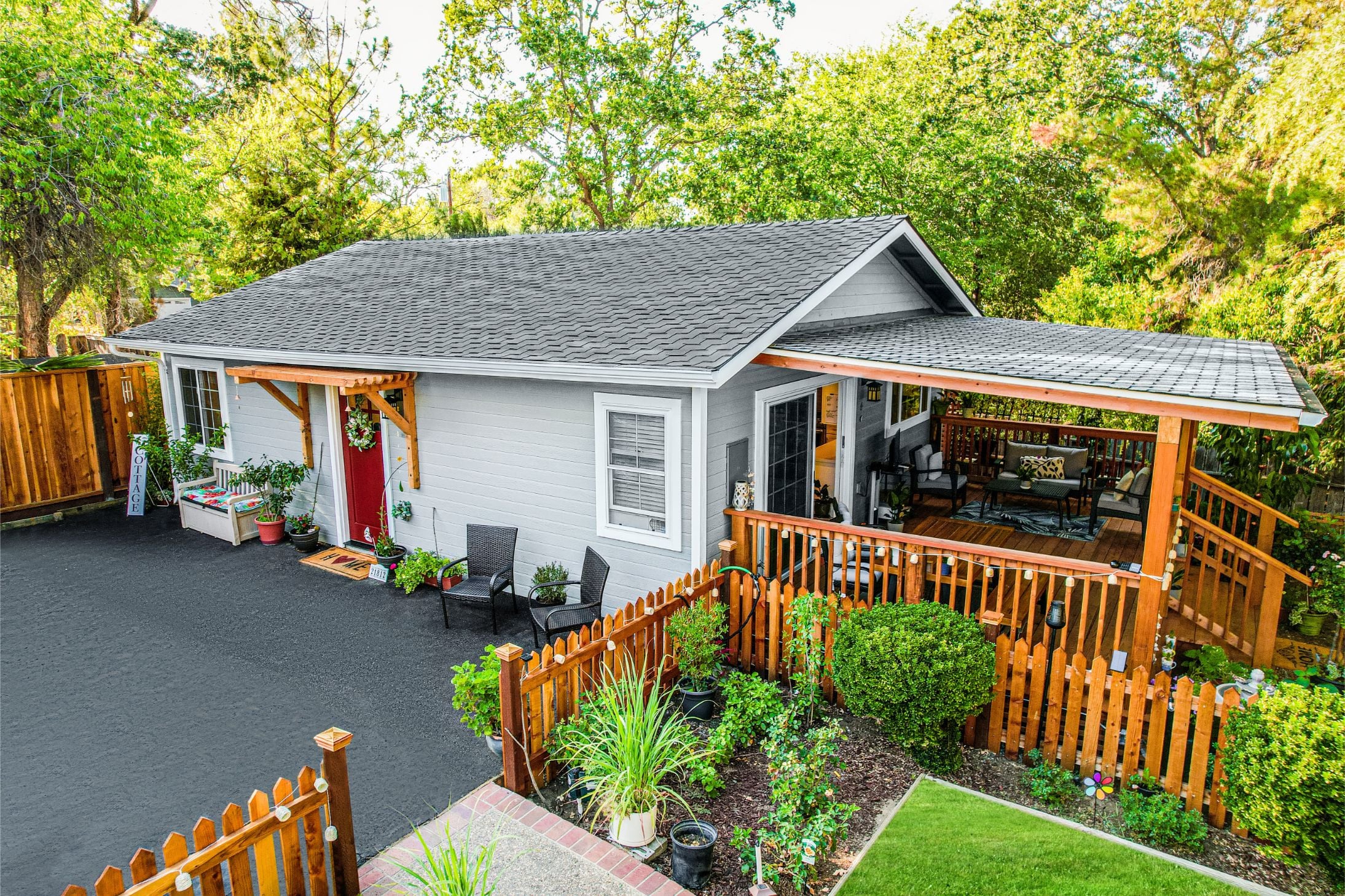
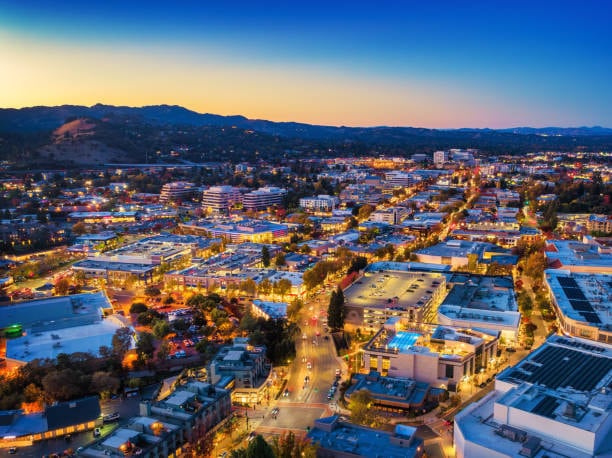
Menlo Park homes ask a lot of an accessory dwelling unit. On the west side you find generous lots, mature oaks, and main houses that have already been remodeled to a high standard, so anything new in the backyard has to hold that line. In Allied Arts and the older flat neighborhoods, the housing stock runs from period bungalows to crisp new-build moderns, often sitting close together on tighter parcels. A homeowner here rarely wants a generic prefab box dropped on a slab. They want an ADU that reads as part of the property, performs like the main house, and survives a busy, detail-oriented planning process without a string of surprises. That is the specific problem New Key Construction solves.
What a high-end Menlo Park ADU client actually wants
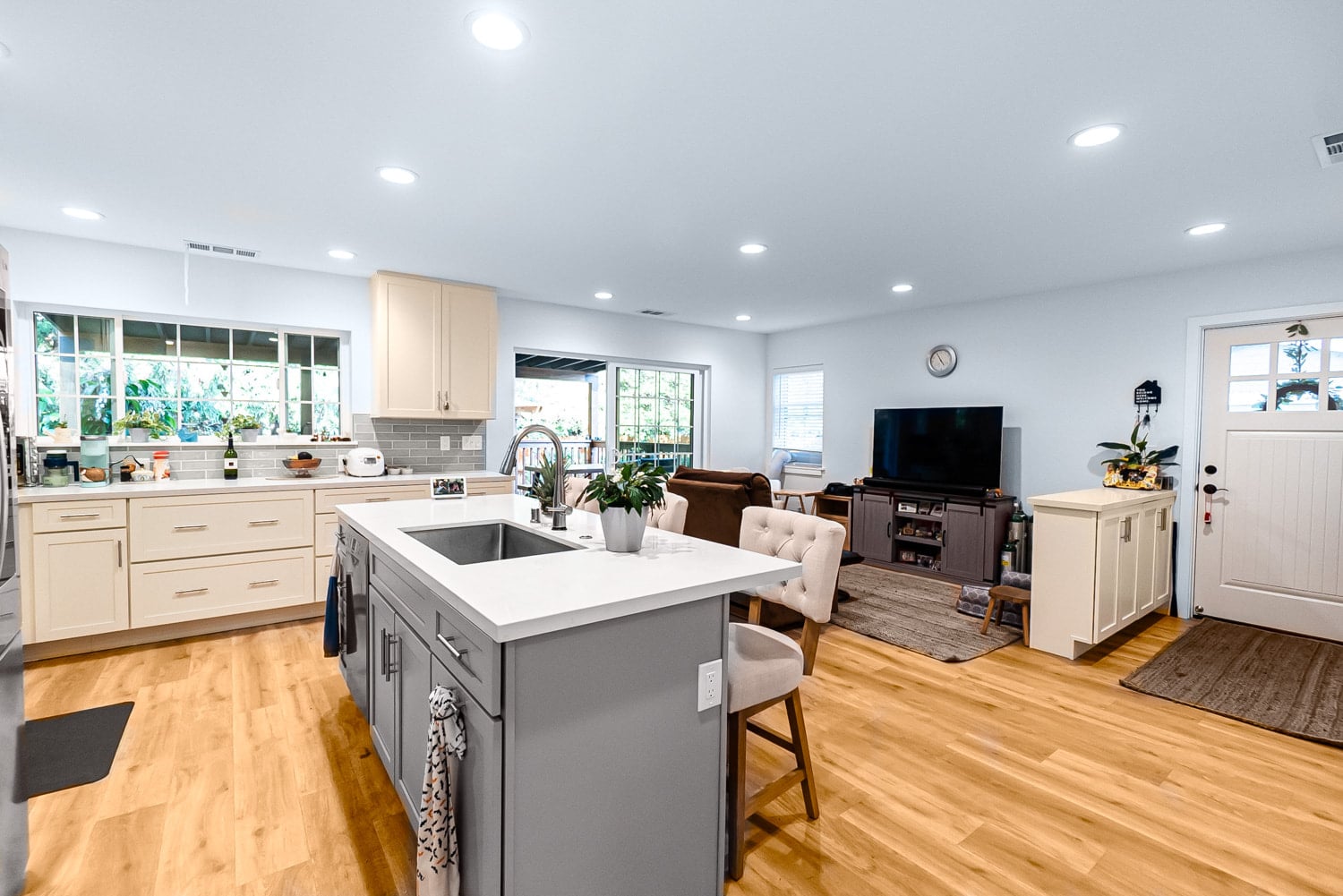
The brief we hear most often is not "build me a rental." It is closer to "give me a real second home in the back." That might be a detached studio over a garage for adult kids or aging parents, a quiet office and guest suite a short walk from the kitchen, or a full one or two bedroom unit that could house family now and earn income later. The finish expectations match the main house: proper insulation and acoustics, real kitchens, full baths, large openings to the garden, and material choices that age well in the Peninsula climate. For our clients in tech and finance, time and certainty matter as much as the design. They want to know what it costs, what it looks like, and when it is done, before they commit, not after demolition has started.
The Menlo Park permitting reality
ADUs in California are governed by state law layered on top of local rules, and Menlo Park administers its own review through its Community Development and Building divisions. Detached and attached ADUs, junior ADUs carved out of the existing house, and garage conversions each follow different paths, and the path you choose drives setbacks, size limits, parking questions, and how the existing structure has to be treated. West-side lots are often large enough to give real siting flexibility, which is a gift, but it also means more design decisions about where the unit sits relative to trees, drainage, and sightlines. Older neighborhoods bring the opposite pressure: tight side yards, existing nonconforming conditions, and utility runs that have to be planned carefully. Add a busy permit counter and engaged neighbors, and the projects that move cleanly are the ones that arrive with complete, coordinated drawings the first time. We design to the rules that apply to your parcel rather than promising a number, and we confirm the specifics with the city for your address before we draw.
The design-build difference
Most ADU headaches come from a split process: you hire a designer, take their drawings to a builder months later, and discover the design and the budget never actually met. We work as a single design-build team, so design and construction answer to the same people and the same number. That changes the experience in three concrete ways.
- One team, one point of accountability. The people who design your ADU are the people who build it. No handoff, no gap where responsibility gets lost, no blaming the other trade when something does not line up.
- Priced options up front. Before you commit, you see real options with real costs attached, not a single render and a vague range. You can compare a detached studio against a larger one bedroom, or a garage conversion against new construction, and choose with the budget in front of you.
- 3D renderings before permits. You walk through your ADU in photoreal 3D and approve siting, massing, light, and finishes while changes are still cheap. We resolve the design first, then submit to Menlo Park, which keeps the permit set clean and cuts the back-and-forth that stalls so many backyard projects.
How a project runs
We start with discovery at your home: goals, budget, how you will use the unit, and a look at the lot, the trees, and the existing structure. We confirm which ADU type fits your parcel and the constraints that come with it. From there we move into design and 3D renderings, refining until the unit feels right and the priced options are clear. Once you approve a direction, we prepare the permit set, manage the Menlo Park submittal and any corrections, and then build with our own coordinated crew. Because the same team carries the project end to end, the unit that gets built is the one you approved in 3D, on the budget you signed off on.
Why Menlo Park homeowners choose New Key
ADUs reward firms that respect both the design and the construction equally, and that pair well with the standards Menlo Park homeowners already hold. As a Bay Area design-build studio, New Key Construction keeps the whole process under one roof, gives you priced choices instead of guesses, and lets you see the result before the city ever sees a drawing. If you are weighing an ADU in Menlo Park, we will walk your property, talk through what the rules allow on your specific lot, and show you what is possible.
FAQ
What types of ADUs can you build in Menlo Park?
We design and build the full range: detached ADUs in the backyard, attached units off the main house, junior ADUs created within the existing home, and garage conversions. The right type depends on your lot size, setbacks, existing structures, and how you plan to use the space. We confirm what your specific Menlo Park parcel allows during discovery before recommending a direction.
Do I see the design before you start building?
Yes. Reviewing the design before construction is central to how we work. You walk through your ADU in photoreal 3D renderings and approve the siting, massing, layout, light, and finishes while changes are still inexpensive. We only prepare the permit set and start building once the design is resolved and you have approved it.
How does design-build save me money and time on an ADU?
With design-build, the team that designs your ADU also builds it, so the design and the budget are reconciled from the start instead of colliding after you hire a separate contractor. You get priced options up front, fewer surprises during construction, and a cleaner permit set, which together reduce the costly redesigns and change orders that stall split-process projects.
Will an ADU work on my Menlo Park lot?
Most Menlo Park properties can accommodate some form of ADU, and the larger west-side lots often allow real flexibility in siting. The specifics depend on setbacks, trees, drainage, utilities, and your existing structures. We assess your parcel and confirm the applicable rules with the city for your address before promising anything, so you get an honest read rather than a generic answer.
How do you handle the Menlo Park permit process?
We design to the rules that apply to your parcel, prepare a complete and coordinated permit set, and manage the submittal to the city along with any corrections that come back. Because we resolve the design and finishes in 3D before submitting, the drawings that reach the counter are consistent and complete, which is what keeps an ADU permit moving rather than bouncing.