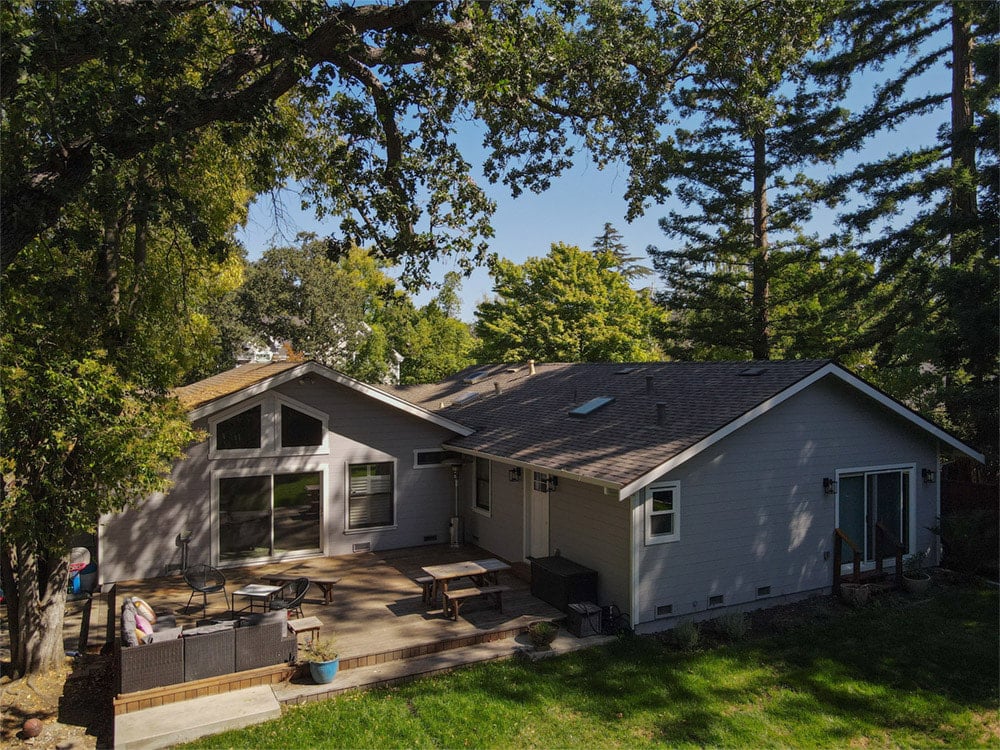
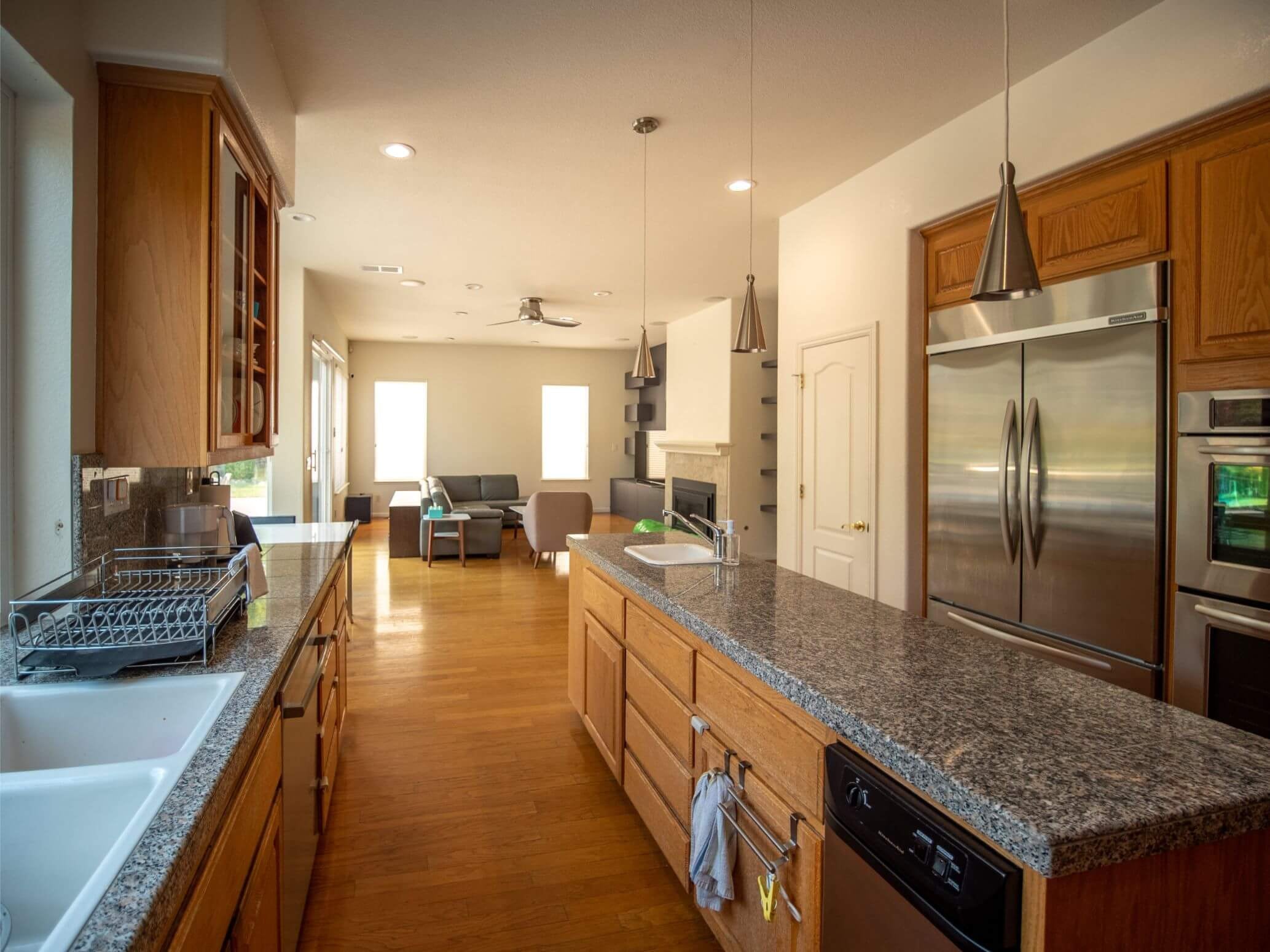
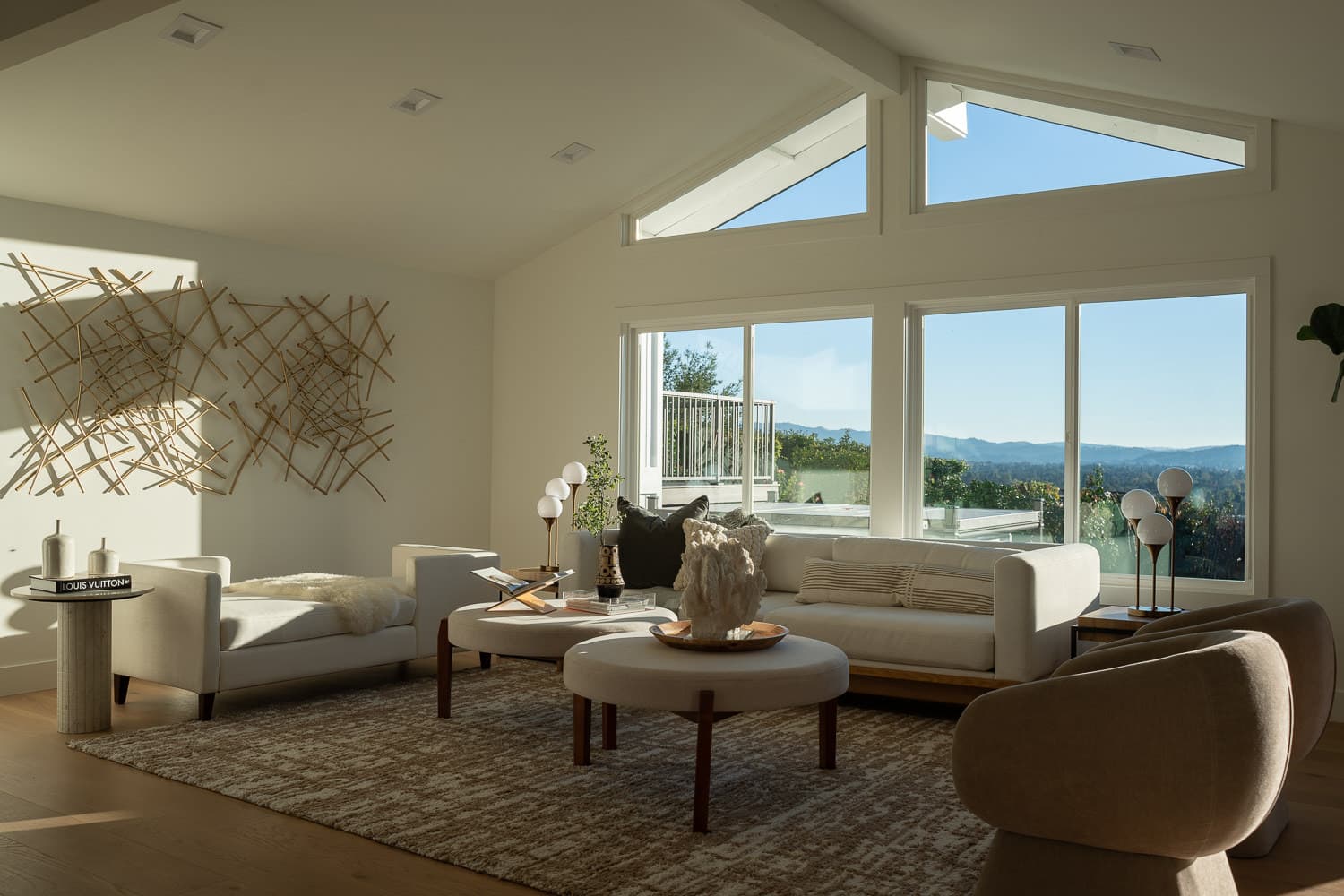
St. Francis Wood is one of San Francisco's original planned garden suburbs, laid out in the early twentieth century with curving streets, mature street trees, and generous setbacks. The housing stock leans heavily into period-revival architecture: Mediterranean and Spanish Colonial stucco homes, Tudor cottages, and formal traditional facades, many of them sitting on lots that are large by San Francisco standards. Owners here are not usually looking to gut the character out of their homes. They want kitchens, primary suites, and living spaces that work the way a modern household lives, while keeping the proportion, detail, and street presence that make the neighborhood what it is.
That is exactly the kind of work design-build is built for. Below is what the approach means in practice, and why it fits a high-end St. Francis Wood remodel.
What design-build actually means
Design-build means one team carries your project from first sketch through final punch list. Instead of hiring an architect or designer, getting a design, and then sending that design out to contractors to bid, you work with a single firm that handles both. The design and the construction sit under one roof and one contract.
The differentiator is straightforward. You get one team for design and build, priced options up front, and 3D renderings before permits. You are not designing in a vacuum and hoping the construction number lands somewhere reasonable. As the design develops, it is priced in parallel, so the choices in front of you, a plaster finish versus paint, a steel window versus a clad-wood unit, come with real cost attached before you commit.
Why it fits St. Francis Wood homes
A split process, designer and then separate contractor, tends to create a gap. The drawings get finished, the bids come back high, and the project goes back for redesign and value engineering while time and money leak out. On a period-revival home that gap gets wider, because the existing conditions behind the plaster are often not what anyone expected.
Many St. Francis Wood houses are close to a century old. Behind the stucco and the coved ceilings you can find original framing, old wiring and galvanized plumbing, lath-and-plaster walls, and seismic detailing that predates current standards. When the same team designs and builds, those discoveries get absorbed into the plan and the budget as one conversation, not a change-order fight between two companies pointing at each other.
The aesthetic side matters just as much here. Replacing a clay-tile roof, matching an existing stucco texture, keeping the rhythm of arched windows, or restoring interior millwork are decisions where design intent and construction craft have to agree. One team keeps that intent intact from rendering to reality.
Renderings and pricing before you commit
Before permit drawings are finalized, we produce 3D renderings of the proposed work. For a neighborhood as visually consistent as St. Francis Wood, that is more than a nicety. It lets you see how a new dormer, an expanded rear opening, or a reconfigured entry reads against the existing facade and the street, and it lets you adjust while changes are still cheap, on screen rather than in framing.
Those renderings are paired with priced options. You see the design and the number together, then choose. That is the core promise of design-build: fewer surprises, because the cost conversation happens while decisions are still being made, not after the drawings are done.
The local planning and permit reality
St. Francis Wood sits under San Francisco's planning and building rules, and the neighborhood carries design expectations that have shaped it since it was first laid out. Exterior changes, additions, and anything affecting the street-facing character generally draw more scrutiny than a routine interior remodel. Work typically requires permits through the San Francisco planning and building departments, and projects that alter the envelope or footprint can involve additional review.
We do not promise to shortcut any of that, and we will not quote you a permit timeline or fee we cannot stand behind. What design-build does is keep the design buildable and the permit set coherent from the start, because the people who will construct it are in the room while it is being drawn. That tends to reduce the back-and-forth that drags out approvals, since the documents reflect what will actually get built.
Working with one accountable team
When something goes sideways mid-project, and on old homes something usually does, you have one number to call. There is no daylight between "that's a design question" and "that's a construction question." The same firm owns both. For St. Francis Wood owners who care about the result and do not want to referee between a designer and a builder, that single line of accountability is the practical value of the model.
New Key Construction works across the Bay Area on exactly this kind of high-end residential renovation, bringing design and construction together under one team.
FAQ
How is design-build different from hiring an architect and a contractor separately?
With the separate route, you commission a design first, then bid it out to builders and hope the price fits. Design-build puts both functions in one firm and one contract, so the design is priced as it develops. You see costs and options together and avoid the redesign-and-rebid cycle that a split process often triggers.
Will design-build work for a period-revival home in St. Francis Wood?
Yes, and it is well suited to it. These homes hide surprises behind old plaster and framing, and matching original detail takes design and construction working in sync. One team absorbs unexpected conditions into the plan and budget as a single conversation, and keeps the architectural intent intact from rendering through finish work.
Do you handle San Francisco permits and neighborhood design review?
We work within San Francisco's planning and building process and the design expectations that apply to St. Francis Wood. We will not quote permit timelines or fees we cannot back up, but a design-build set tends to move more cleanly through review because it reflects what will actually be built from the start.
When do I see 3D renderings and pricing?
Before the permit drawings are finalized. You get 3D renderings of the proposed work alongside priced options, so you can judge how changes read against your home and the street and choose with the cost in front of you, while adjustments are still inexpensive.
Do you only work in St. Francis Wood?
No. New Key Construction serves clients across the Bay Area. St. Francis Wood is one of the neighborhoods where the design-build model fits especially well, given the age and character of the homes and the city's review expectations.