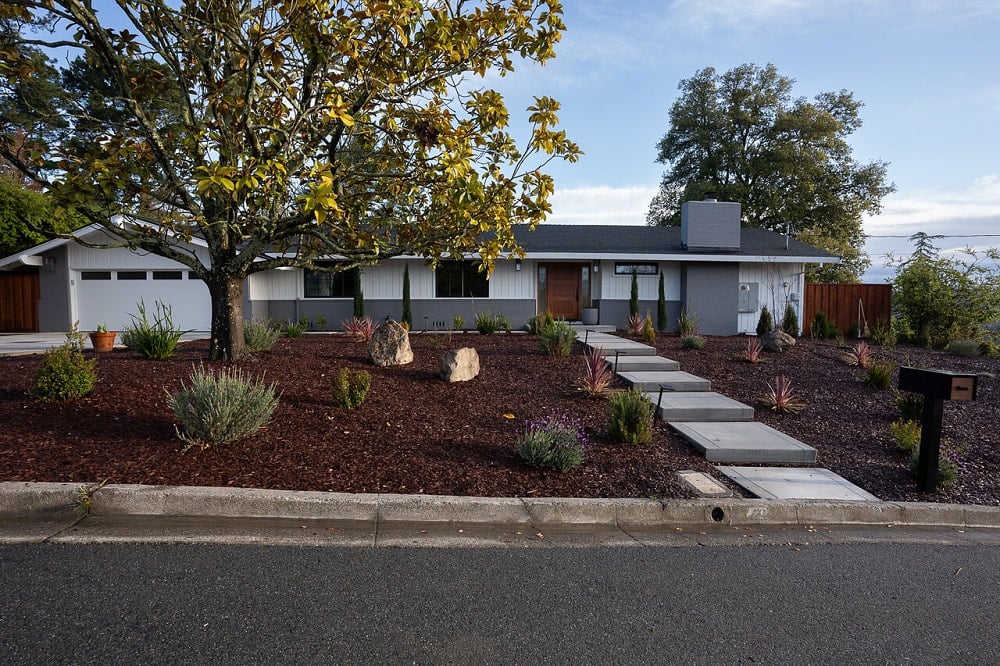
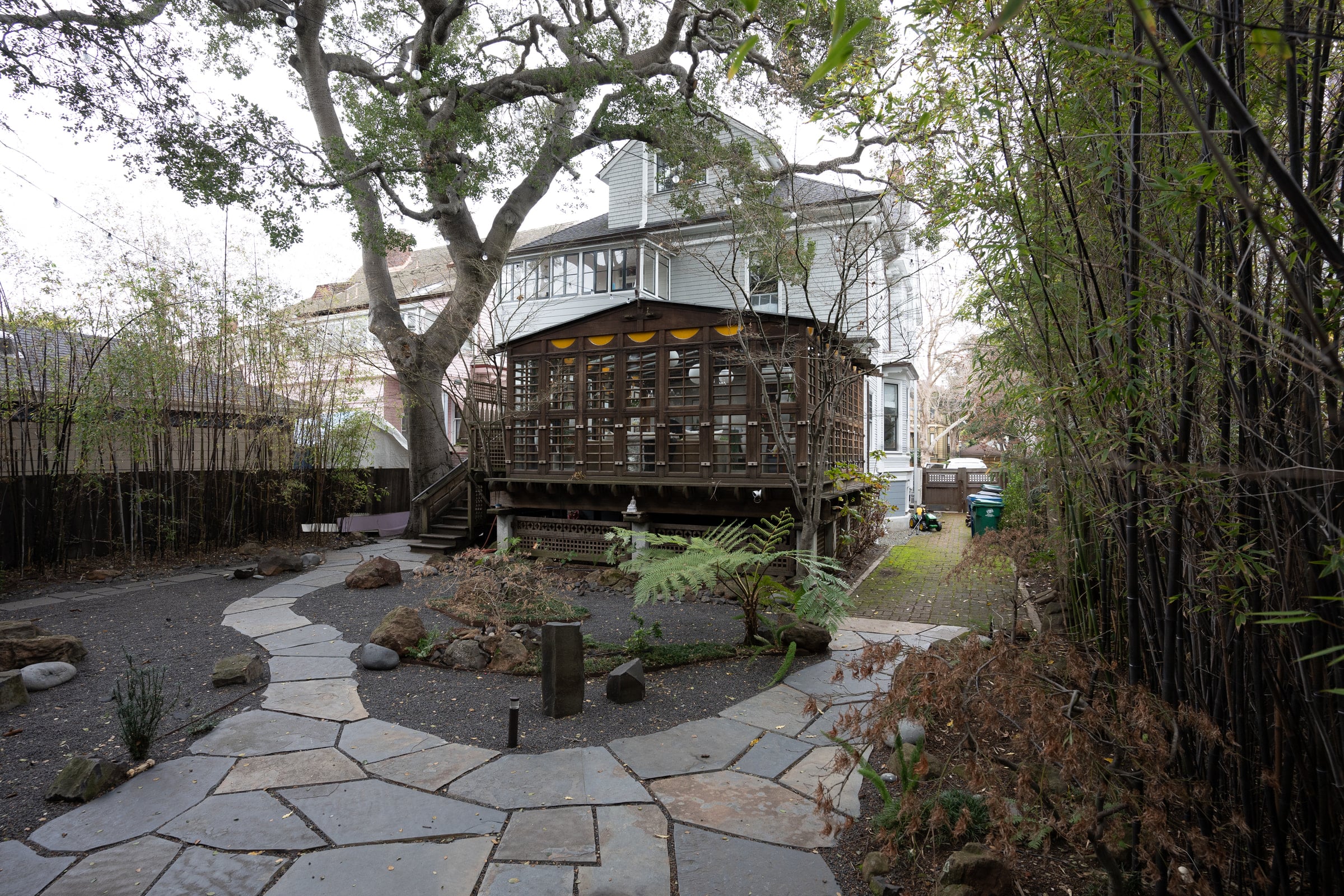
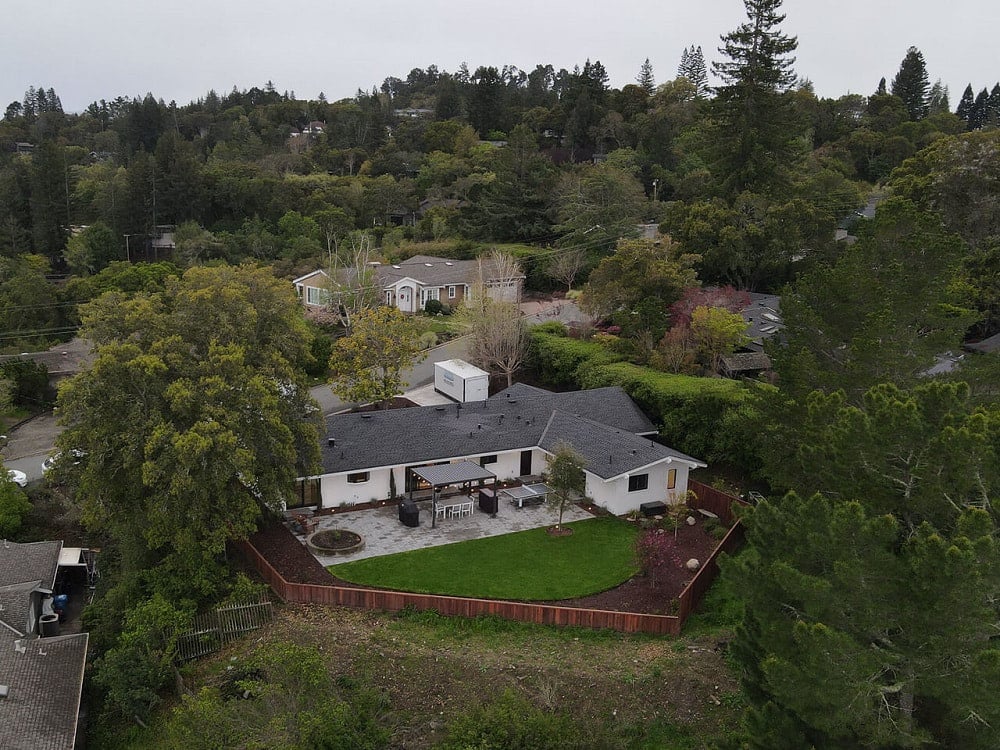
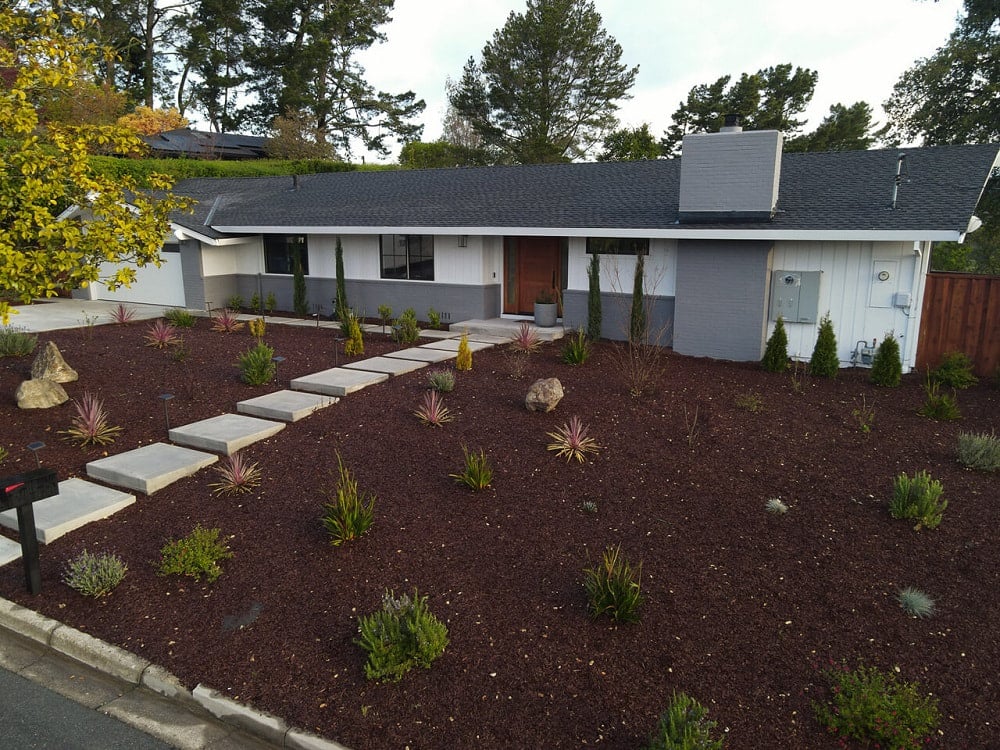
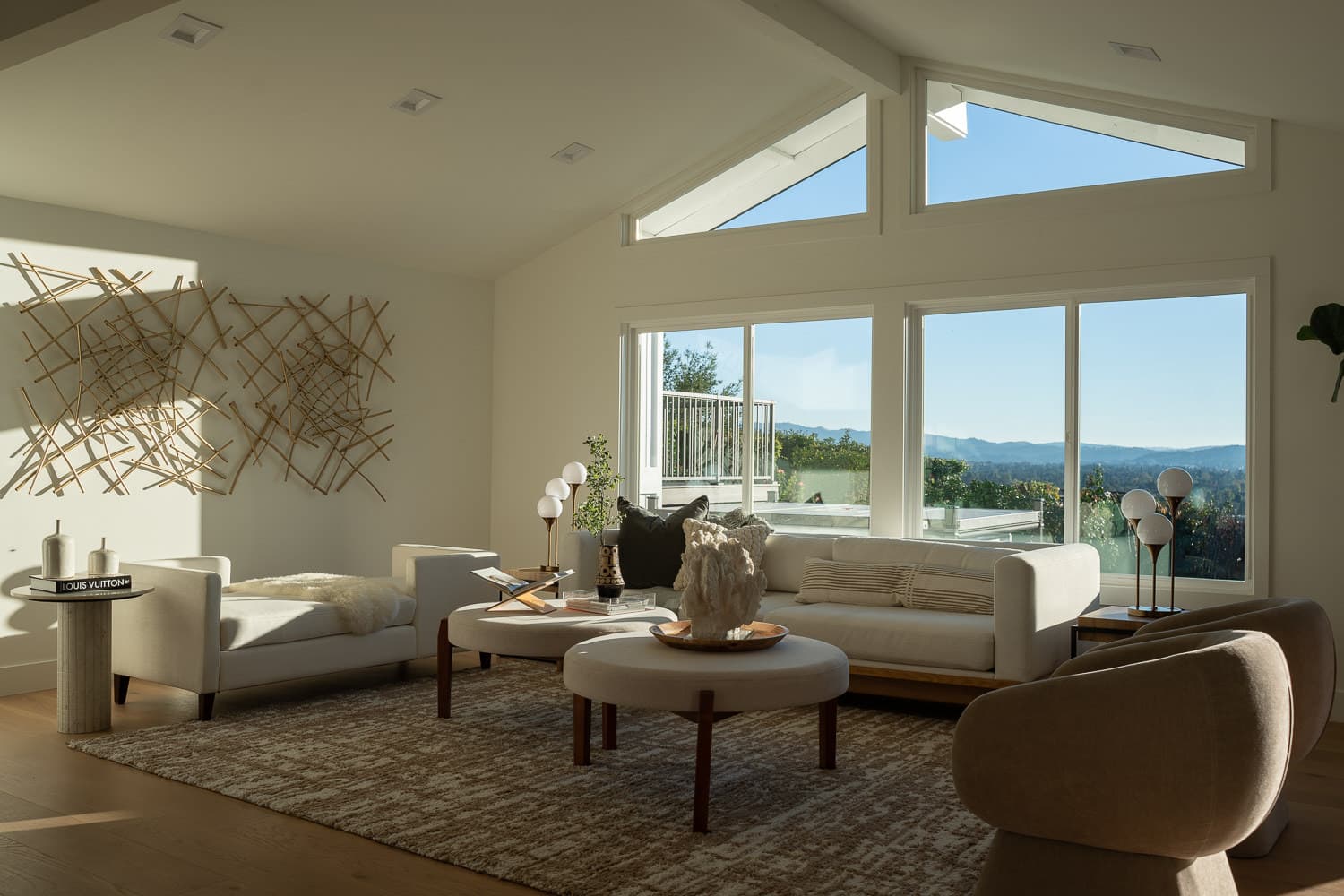
Woodside homes rarely sit on a tidy quarter-acre. Most properties here are measured in acres, not lots, with ranch houses, contemporary builds, and equestrian estates tucked behind oaks and along sloped terrain. When a high-end Woodside client thinks about landscape design and outdoor living, they are usually picturing the whole arrival sequence and the land beyond the house: a gravel motor court, terraced gardens that work with the grade instead of fighting it, a pool and spa that frame a hillside view, shaded dining and lounge zones, an outdoor kitchen, fire features, and the quiet integration of paddocks, barns, or riding rings into a cohesive plan. The goal is land that feels designed but still rural, refined but not suburban.
What landscape design and outdoor living means on a Woodside property
On large parcels, the landscape is the project. The house is one element inside a much bigger composition of driveways, drainage, retaining walls, planting, lighting, and the transitions between cultivated and natural ground. Good outdoor living design in Woodside connects interior rooms to exterior ones so the patio, the kitchen, and the pool terrace read as a continuation of the home rather than add-ons. That means coordinating levels, materials, sightlines, and circulation across long distances and real elevation change, then layering in the comfort details that make an outdoor space usable for most of the year: shade structures, heat, lighting, wind buffering, and durable, low-maintenance planting suited to the local climate and fire-conscious choices near structures.
The Woodside planning and permit reality
Woodside is a town with its own planning and building departments, and the constraints that matter most to landscape work here are trees, grading, and septic. Mature native trees, oaks in particular, are a defining feature of these properties and are protected; significant work near them or removal typically triggers review, so a serious landscape plan starts by mapping protected trees and designing around their root zones. Grading is the second reality. Sloped, rural lots mean retaining walls, drainage, and earthwork that carry their own review and engineering, and large impervious surfaces like driveways and patios have to be planned with runoff in mind. The third is septic. Many Woodside properties are on septic systems rather than sewer, so the location of tanks, leach fields, and required setbacks shapes where you can put a pool, a structure, or deep planting. None of this should be guessed at. We confirm the specific requirements with the Town of Woodside and the relevant county and district authorities for your parcel before committing to a design, rather than assuming numbers or setbacks.
The design-build difference
New Key Construction is a design-build firm, which means one team carries your Woodside project from first concept through finished construction. You are not handing a designer's drawings to a separate contractor and hoping the budget survives the translation. We design and build under one roof, so the people pricing the work are the same people who will install it.
That structure produces three things our Woodside clients value. First, priced options up front: instead of a single design you cannot cost, you see real choices, for example stone versus poured concrete terraces, or a full outdoor kitchen versus a phased build, each with its own number, so you make decisions with the budget visible. Second, 3D renderings before permits: you see your motor court, pool terrace, and planting in realistic 3D and approve how it looks and feels before drawings go to the town and before anyone breaks ground. Third, accountability: when design and construction share a team, the grading plan, the drainage, the septic constraints, and the finished hardscape are coordinated from the start, which matters enormously on the kind of complex, sloped, tree-heavy sites Woodside is known for.
How a Woodside project typically moves
We begin with discovery and a site survey, because on a large rural parcel the survey, the tree map, the grading, and the septic layout drive everything that follows. From there we develop the design and present it to you in 3D, with priced options so you can shape scope against budget. Once you sign off on the look and the numbers, we prepare and submit the permit set to the appropriate Woodside authorities, then build it with the same team. Because design and construction are integrated, changes discovered in the ground, common on hillside and rural sites, get resolved without the finger-pointing that splits a design firm from a separate builder.
If you are planning landscape design and outdoor living for a Woodside property, the right first step is a conversation about your land, your house, and how you want to live outside on it. We will walk the site, talk through the real constraints, and show you priced, rendered options before you commit to anything.
FAQ
Do I need permits for landscape and outdoor living work in Woodside?
It depends on the scope, but many landscape projects on Woodside parcels touch areas that require review, especially work involving protected trees, grading and retaining walls, drainage, and anything near a septic system. Pools and structures almost always involve permitting. As a design-build firm we identify what applies to your specific parcel by confirming requirements with the Town of Woodside and the relevant county and district authorities, then handle the submittal as part of the project rather than leaving it to you.
Why does design-build matter for a large Woodside lot?
Because the landscape on an acre-plus rural lot is a coordination problem as much as a design problem. Grading, drainage, tree protection, septic setbacks, and hardscape all have to agree with each other. With one team designing and building, those systems are reconciled from the first sketch, the budget is attached to real construction pricing, and there is a single party accountable when the ground reveals a surprise.
Can I see what the design looks like before construction starts?
Yes. We produce 3D renderings of your outdoor spaces before permits are filed, so you can see and approve the motor court, terraces, pool, planting, and lighting while changes are still inexpensive. You approve the look and the priced options before drawings go to the town and before any earth moves.
How do you handle Woodside's protected trees and slopes?
We start by mapping protected trees and the existing grade, then design around root zones and use the slope rather than fighting it, with terracing, retaining walls, and drainage planned together. Where work could affect a protected tree or trigger grading review, we confirm the requirements with the town before finalizing the design so the plan is buildable, not just attractive.
What does outdoor living include on a Woodside estate?
It varies by property, but it commonly includes pool and spa terraces, outdoor kitchens and dining areas, fire features, shade structures, landscape lighting, refined planting, and the driveways and motor courts that set the tone on arrival. On equestrian properties it can also mean integrating paddocks, barns, or riding areas into the overall plan so the working land and the living spaces feel like one design.