One Team for Design and Build on Russian Hill's Hardest Lots
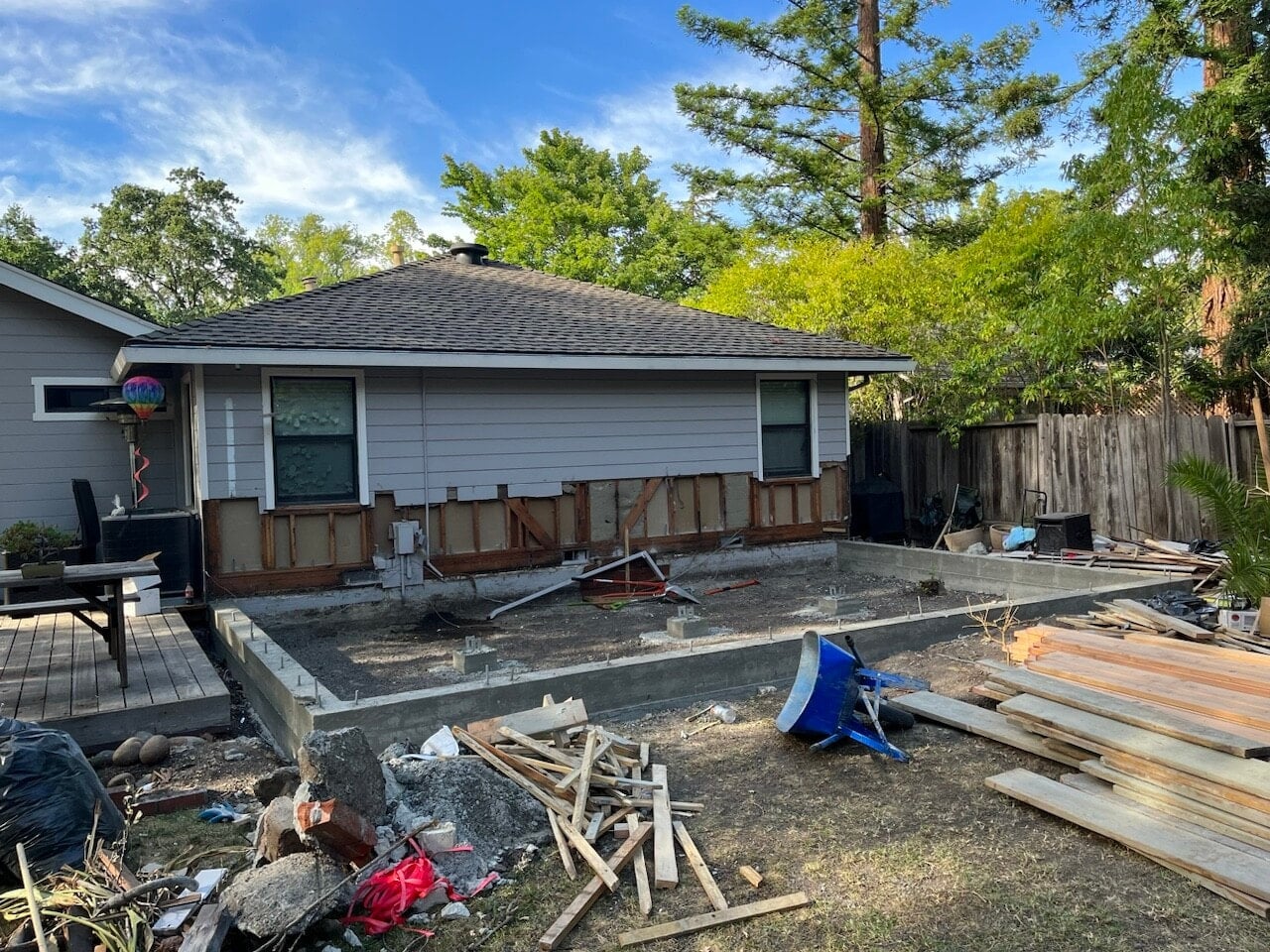
Adding square footage to a home in Russian Hill is one of the more demanding projects in San Francisco, and that is exactly the work New Key Construction is built for. The neighborhood sits on one of the city's steepest crests, with narrow lots, party walls shared between Victorian and Edwardian flats, and grades that turn a simple rear extension into a structural and access puzzle. We are a design-build firm, so one team carries your addition from the first measured drawing through the final coat of paint. There is no handoff between an architect who drew it and a contractor who never sat in the room when the as-built conditions of a 1900s building meet a new plan.
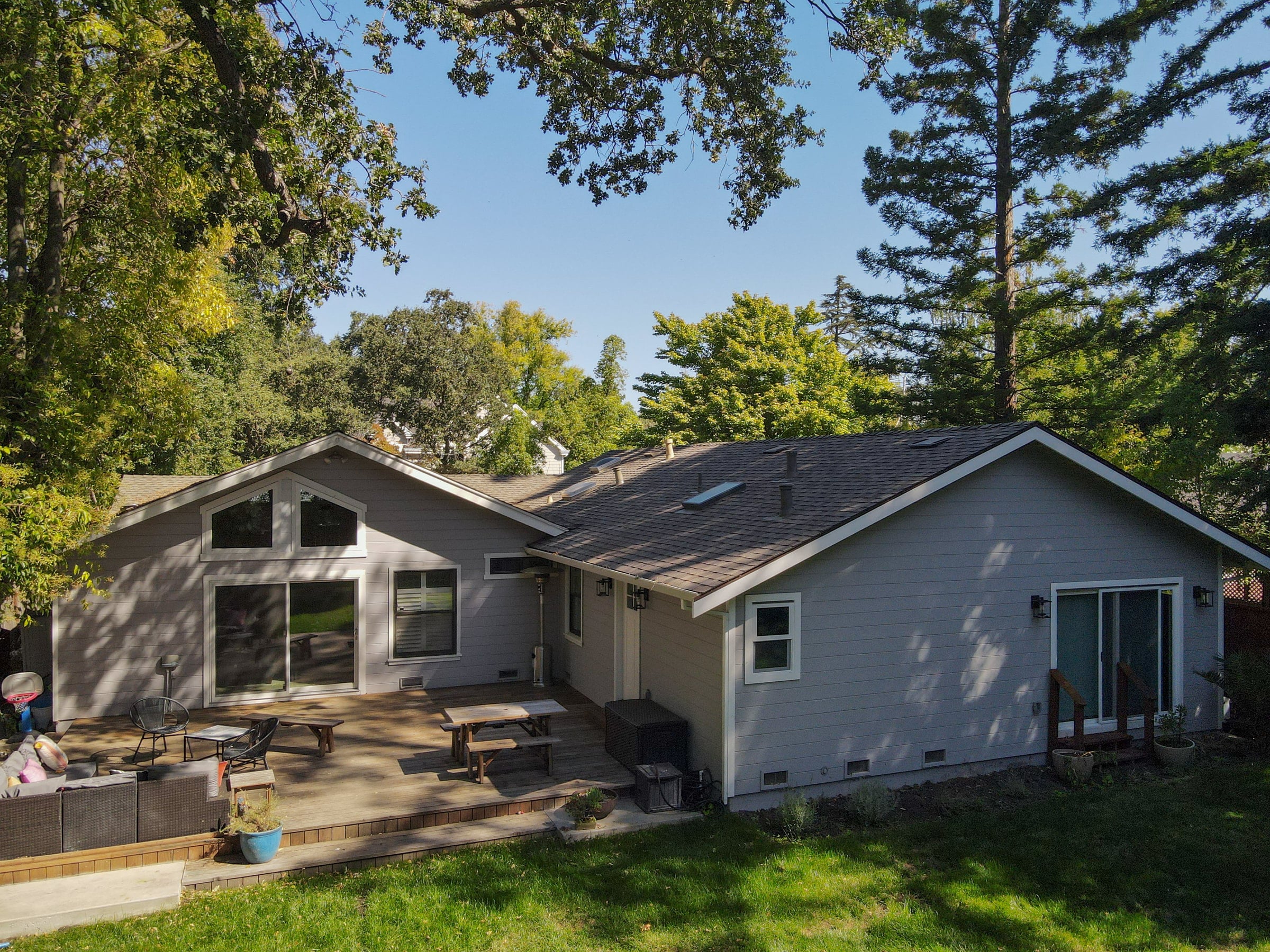
Most Russian Hill additions take a few familiar shapes: a rear extension off the kitchen, a vertical addition or roof raise to capture bay views, a dug-out lower level on the downhill side, or an ADU carved from underused ground-floor space. Each runs into the same realities, the slope, the small footprint, the neighbor a few feet away. We design around those constraints from day one.
Designing Within Russian Hill's Architecture and Districts
Russian Hill is not interchangeable with any other San Francisco neighborhood, and an addition that ignores its character reads as a mistake from the street. Classic Victorian and Edwardian homes line the winding blocks, alongside Italianate facades and shingled cottages. Parts of the neighborhood sit inside recognized historic areas, including the Russian Hill-Paris Block Architectural District along Green Street and the Russian Hill-Vallejo Street Crest District, where the existing fabric is protected and any visible change gets close attention. Pockets like Macondray Lane carry their own quiet, pedestrian-scaled rhythm.
We design additions that respect that context, whether that means keeping a new rear volume invisible from the street, matching the proportion of an existing bay window, or stepping a vertical addition back so the original roofline still reads. When a property falls within a historic district, preservation review becomes part of the path, and we plan for it rather than running into it. The goal is an addition that looks like it always belonged to the house.
Priced Options and 3D Renderings Before a Permit Is Pulled
The part of our process that matters most on a project this complex comes early. Before any permit application reaches the San Francisco Planning Department, we put priced options in front of you, real scopes with real numbers, so you can decide between a rear bump-out and a full two-level addition while you still have every choice open. You are not committing to a vague allowance and hoping it holds.
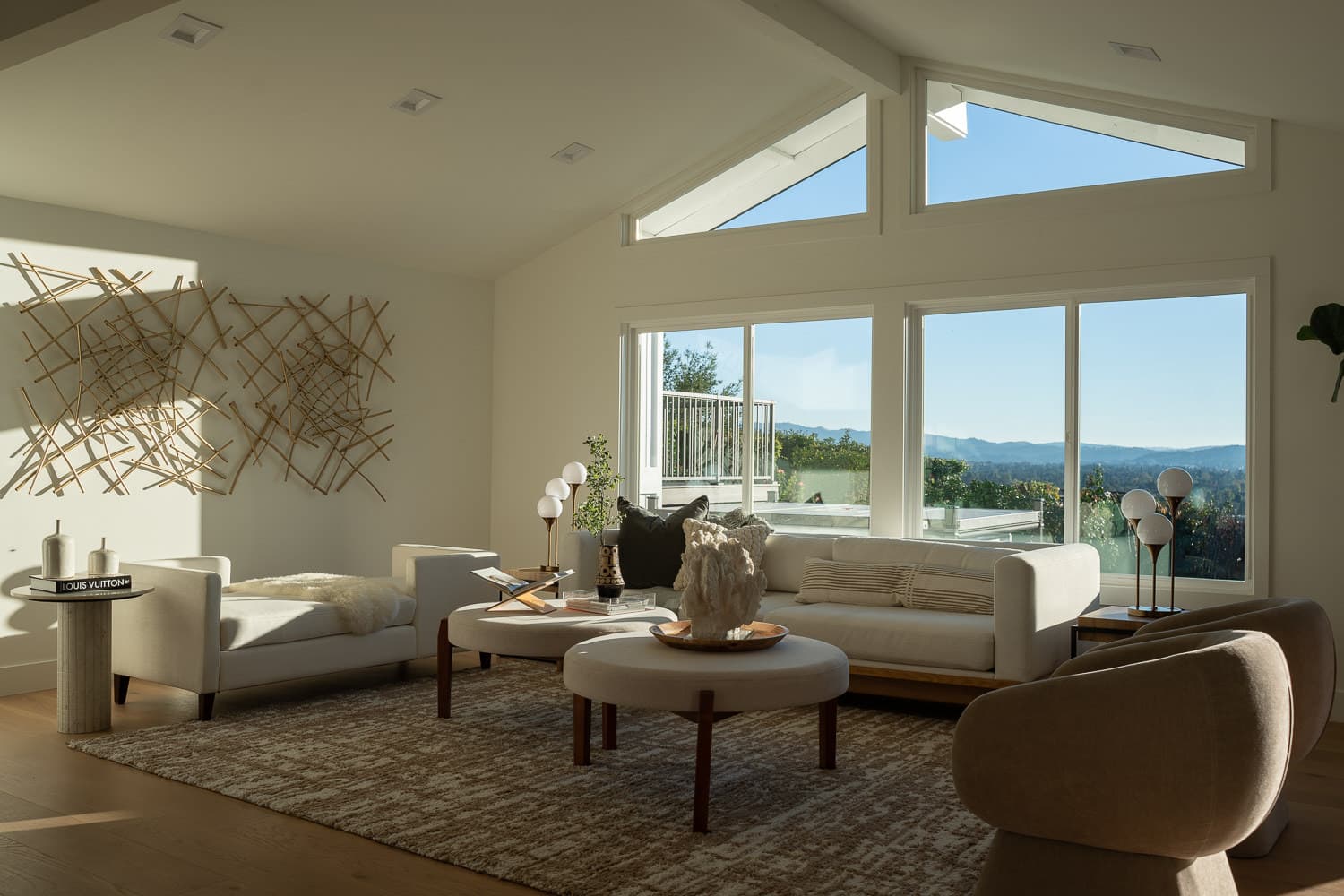
We also produce photoreal 3D renderings of the finished addition before a single permit is pulled. You see how the new kitchen meets the morning light, how the addition sits against the neighboring facade, and how the proportions land from the sidewalk. On Russian Hill, where the city's Residential Design Guidelines and the realities of light, privacy, and neighbor relationships shape what gets approved, those renderings are not a luxury. The drawings that win your sign-off become the basis for the permit set.
White-Glove Project Management From Brief to Handover
Permitting an addition in San Francisco is its own undertaking. Projects move through the Planning Department and the Department of Building Inspection, and work that expands the envelope can draw neighborhood notification and design review. We manage that process for you, assembling the permit set, carrying the project through plan check, and coordinating structural and Title 24 requirements so the file is complete the first time.
Through construction, you have one point of contact and white-glove project management. Living next to a build on a tight Russian Hill block, with limited parking, steep access, and close neighbors, is hard enough, so we sequence the work, protect the existing home, and keep the site disciplined. One team owns the schedule, the budget, and the result.
Frequently Asked Questions
Do home additions in Russian Hill require Planning Department review?
Most additions that change the exterior or expand the envelope go through both the San Francisco Planning Department and the Department of Building Inspection. Work visible from the street, or within a recognized historic district, gets closer scrutiny under the Residential Design Guidelines and may involve neighborhood notification. We map the exact review path for your property before we design.
How does a historic district affect my addition?
Parts of Russian Hill, including the Paris Block district along Green Street and the Vallejo Street Crest district, are protected and held to preservation standards. There, visible changes are reviewed for how they fit the existing character, which usually means keeping new volumes discreet and matching original proportions. We plan for preservation review when it applies.
Can I add square footage given how steep and narrow the lots are?
Yes, and the slope is often an opportunity rather than a wall. Many Russian Hill additions go down into the downhill side of the lot or up to capture views, rather than out into a tight rear yard. We assess the grade, foundation, and party-wall conditions early, then design around what the lot can support.
Why does design-build matter for a project this complicated?
With one team handling design and construction, the people drawing your addition are the same people who build it and stand behind the price. That removes the gap where an architect's plan meets a contractor's bid and the budget falls apart. On a century-old home full of unknowns behind the plaster, that accountability keeps the project on track.
If you are planning a home addition in Russian Hill, let's start with your home, your goals, and the realities of your lot. We will bring priced options and 3D renderings before any permit is pulled, and one team to carry the work to handover. Reach out to New Key Construction.