Additions designed for the way Palo Alto really builds
Adding square footage to a Palo Alto home is rarely a simple matter of pushing out a wall. Lots here are tight, the housing stock is beloved and varied, and the City of Palo Alto runs one of the more rigorous permitting processes in the Bay Area. New Key Construction is a Marin and Bay Area design-build firm that keeps interior design and construction under one roof, so your addition is drawn, priced, and built by a single accountable team. We bring you photoreal 3D renderings before any permit is pulled, priced options up front, and white-glove project management from first sketch to final walkthrough.
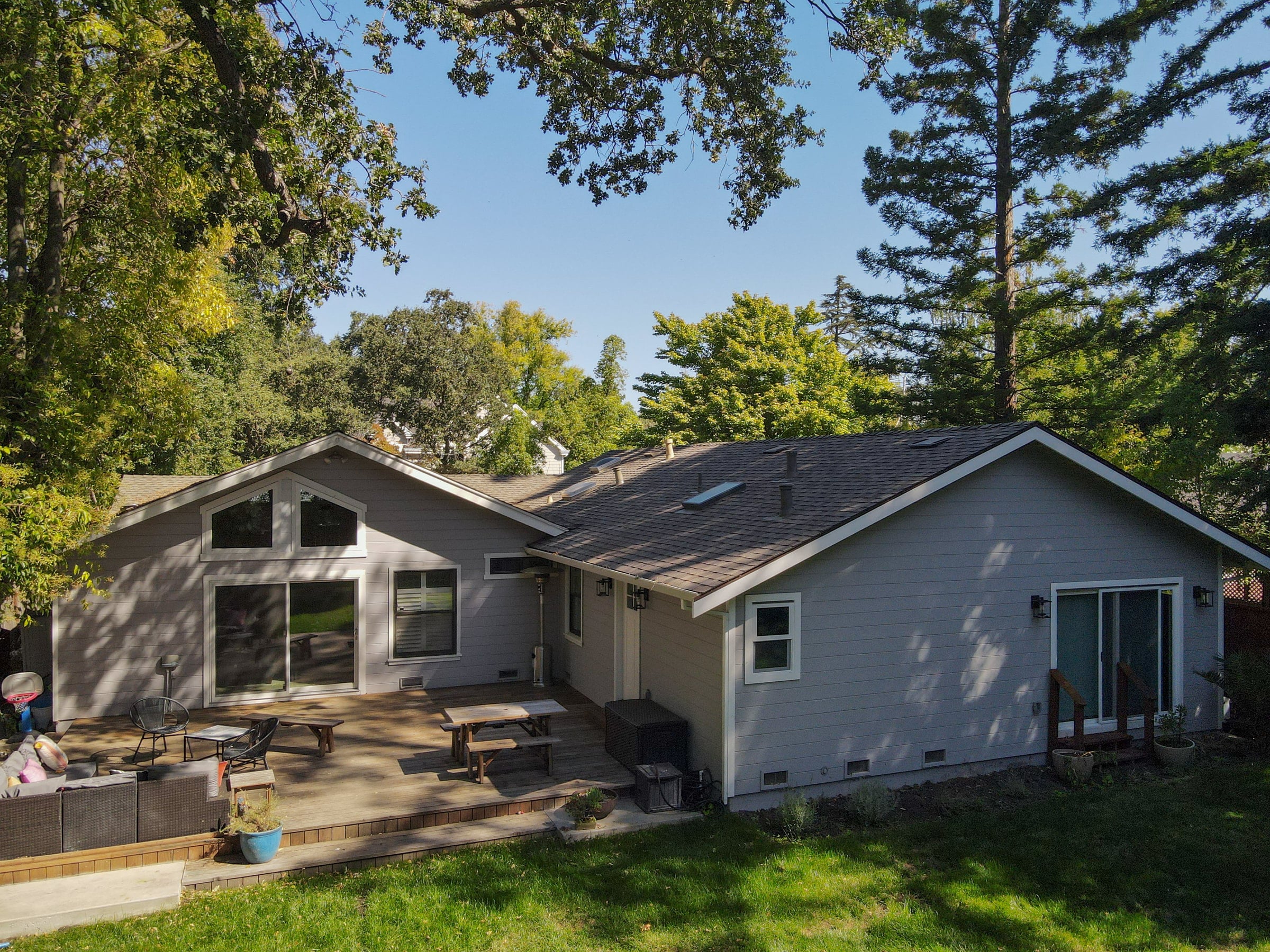
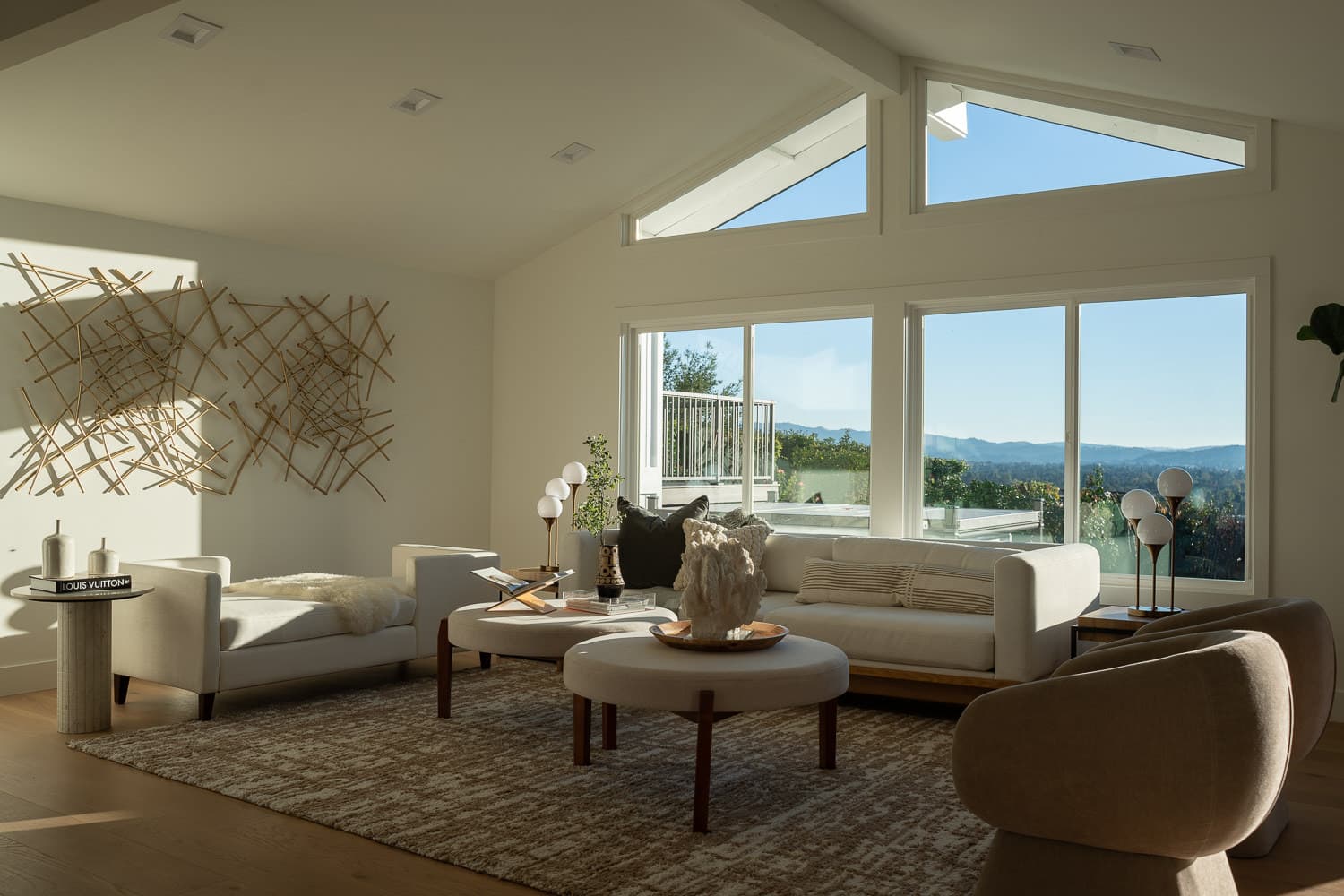
Whether you are extending a single-story ranch in Midtown, opening up a post-and-beam Eichler in Greenmeadow, or carefully growing a home in Professorville, the goal is the same. The new space should feel like it was always part of the house, not bolted on. That intent shapes every decision, from rooflines and window proportions to how natural light moves through the joined rooms.
What a Palo Alto addition usually involves
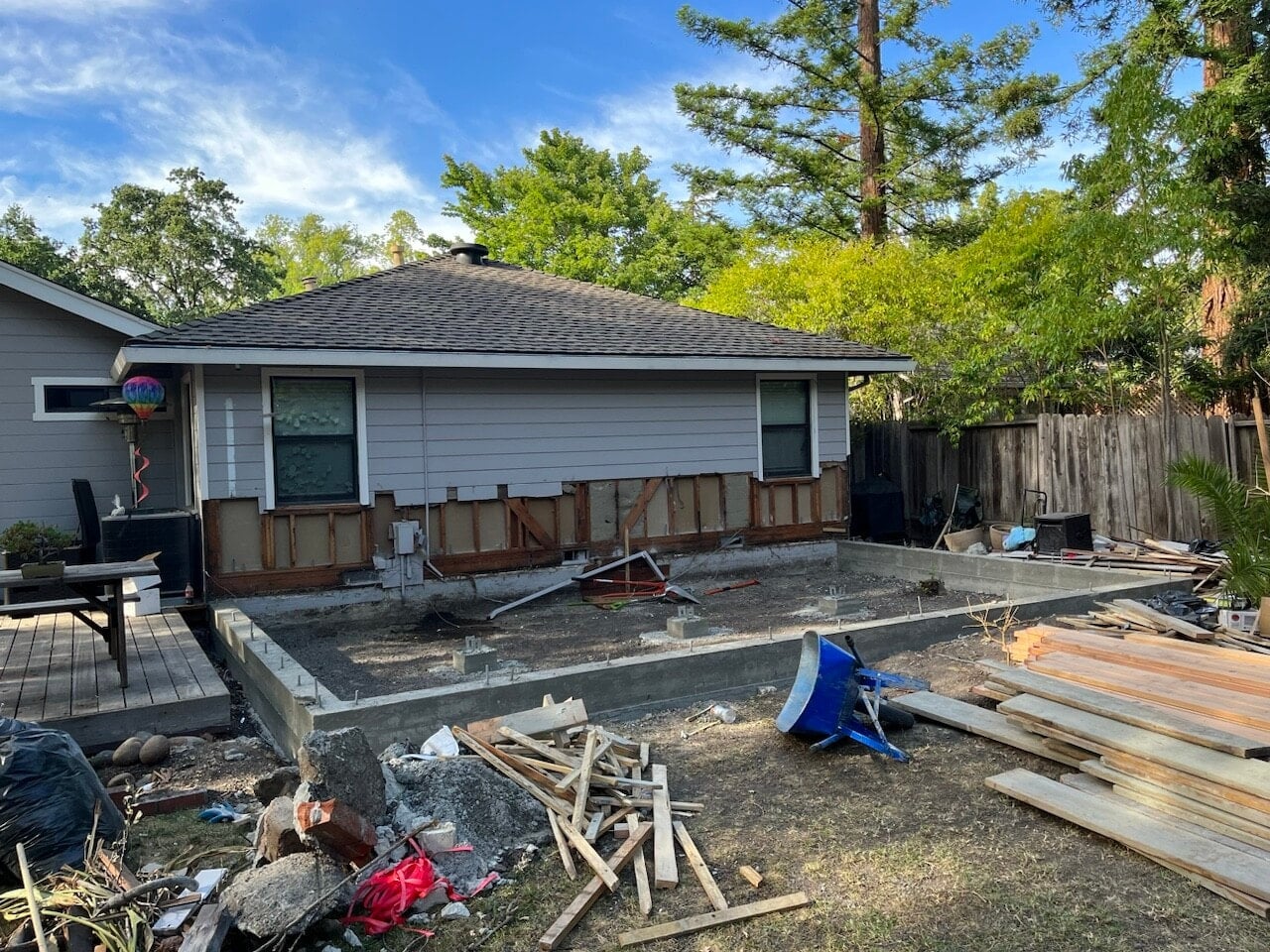
Most Palo Alto neighborhoods were built between the 1940s and 1970s, with homes often ranging from roughly 1,000 to 1,600 square feet. Families outgrow them but love the location, the schools, and the trees, so they add rather than move. The most common requests we see are primary suite additions, kitchen and great-room bump-outs, second-story additions on smaller lots, and rear extensions that connect the house to the garden.
Each carries its own structural and design reality. A second story changes the foundation below it. A rear extension runs straight into setback and lot-coverage limits. A great-room bump-out usually means relocating mechanical, plumbing, or electrical lines. Because we design and build as one team, those constraints get solved on paper, inside the budget, before a crew ever shows up. There are no surprises where the designer's vision and the builder's reality collide, because they are the same people.
We also pay close attention to architectural character, because Palo Alto does. The city has a deep stock of Eichlers and other midcentury designs in Greenmeadow, Fairmeadow, and Charleston Meadows, and the Eichler Neighborhood Design Guidelines exist to keep flat rooflines, glass walls, and consistent proportions intact. Add the Craftsman bungalows and Colonial Revivals of Professorville, a registered historic district, and you have a city where a good addition has to speak the original home's language fluently.
How our design-build process works
We start with discovery and a measured look at your home and lot, then move into design. You see your addition as photoreal 3D renderings, walls, windows, finishes, and light, before we ever submit to the City. That matters in Palo Alto, where a small change in massing can be the difference between a quiet approval and a long round of revisions. Seeing the real thing up front lets you tune the design to fit both your taste and the neighborhood context.
Alongside the renderings, you get priced options up front. Not a vague range, but clear choices with real numbers attached, so the budget conversation happens before commitments are made. Once the design is set, our team carries it through permitting with the City of Palo Alto Development Services Department, manages the build, and runs the schedule so you always know what comes next. One team, one point of contact, one set of drawings from concept to keys.
Frequently Asked Questions
Do I need design review for an addition in Palo Alto?
It depends on your home and location. Standard additions go through the City of Palo Alto Building Division for plan review, while homes in the Professorville Historic District or other designated resources may require historic compatibility review, and Eichler neighborhoods have voluntary design guidelines that strongly shape what gets approved. We assess your specific lot early so the design is built to clear the right path from the start.
How long does a home addition take in Palo Alto?
Timelines vary with scope and review type. Permits alone often run several weeks to a few months depending on complexity, and that is before construction. A focused single-room addition moves faster than a second-story or whole-home project, and historic or design review can add time. We map the full schedule for your project up front so the timeline is realistic, not optimistic.
Can you add onto an Eichler without ruining its character?
Yes, and that is exactly the work this city rewards. Eichler additions require respect for post-and-beam construction, flat rooflines, glass walls, and consistent window proportions, all of which the neighborhood guidelines aim to protect. We design the new volume to read as original, then show it to you in 3D before permitting so you can confirm it feels right.
What does a Palo Alto addition cost?
Cost depends on size, structural work, finishes, and whether you are going up or out. Rather than quote a number that cannot account for your home, we give you priced options up front, with clear choices and real figures, after we understand your lot and goals. That way the budget is settled before construction starts.
Why design-build instead of hiring an architect and contractor separately?
With one team handling both design and construction, the person drawing your addition and the person building it answer to the same plan and the same budget. That removes the change-order surprises and the gap between vision and reality. You get a single accountable team, renderings before permits, and white-glove management the whole way through.
If you are weighing an addition in Palo Alto, let us show you what is possible on your lot. We will walk your home, design the addition, and put real numbers and photoreal renderings in front of you before a single permit is pulled. Reach out to New Key Construction to begin.