Adding On to a Pacific Heights Home Without Losing What Makes It Pacific Heights
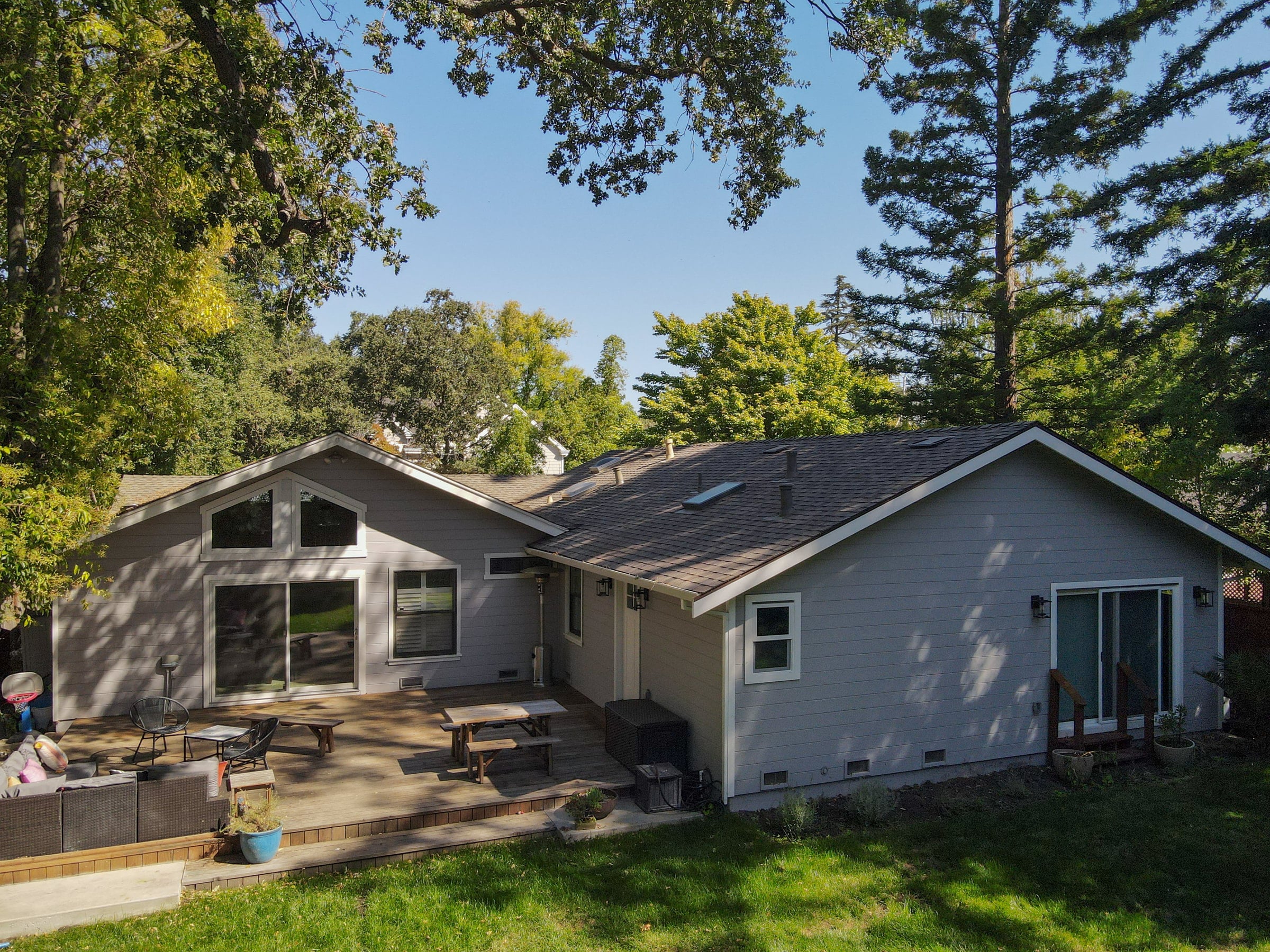
Pacific Heights holds the densest concentration of intact pre-1920s residential architecture in San Francisco. Queen Anne and Italianate Victorians, lighter-faced Edwardians, and the occasional Châteauesque mansion line the ridge between the Presidio and the Marina, many looking out over the Bay and the Golden Gate from the high streets. Adding square footage to a home like this is not the same as building a generic bump-out in a tract subdivision. The facade has to be respected, the rear and side conditions are tight, and the city watches closely. New Key Construction handles these additions the way the neighborhood deserves: one team carrying both the design and the construction, priced options put in front of you up front, and photoreal 3D renderings produced before any permit is pulled.
We are a Marin and Bay Area design-build firm, which means interior design and construction live under one roof. You are not hiring an architect, then bidding the drawings out to a contractor, then refereeing the two when something on site does not match the page. The people who draw your addition are accountable for building it, and that single line of accountability is what a complex Pacific Heights project needs.
What an Addition Looks Like on These Lots
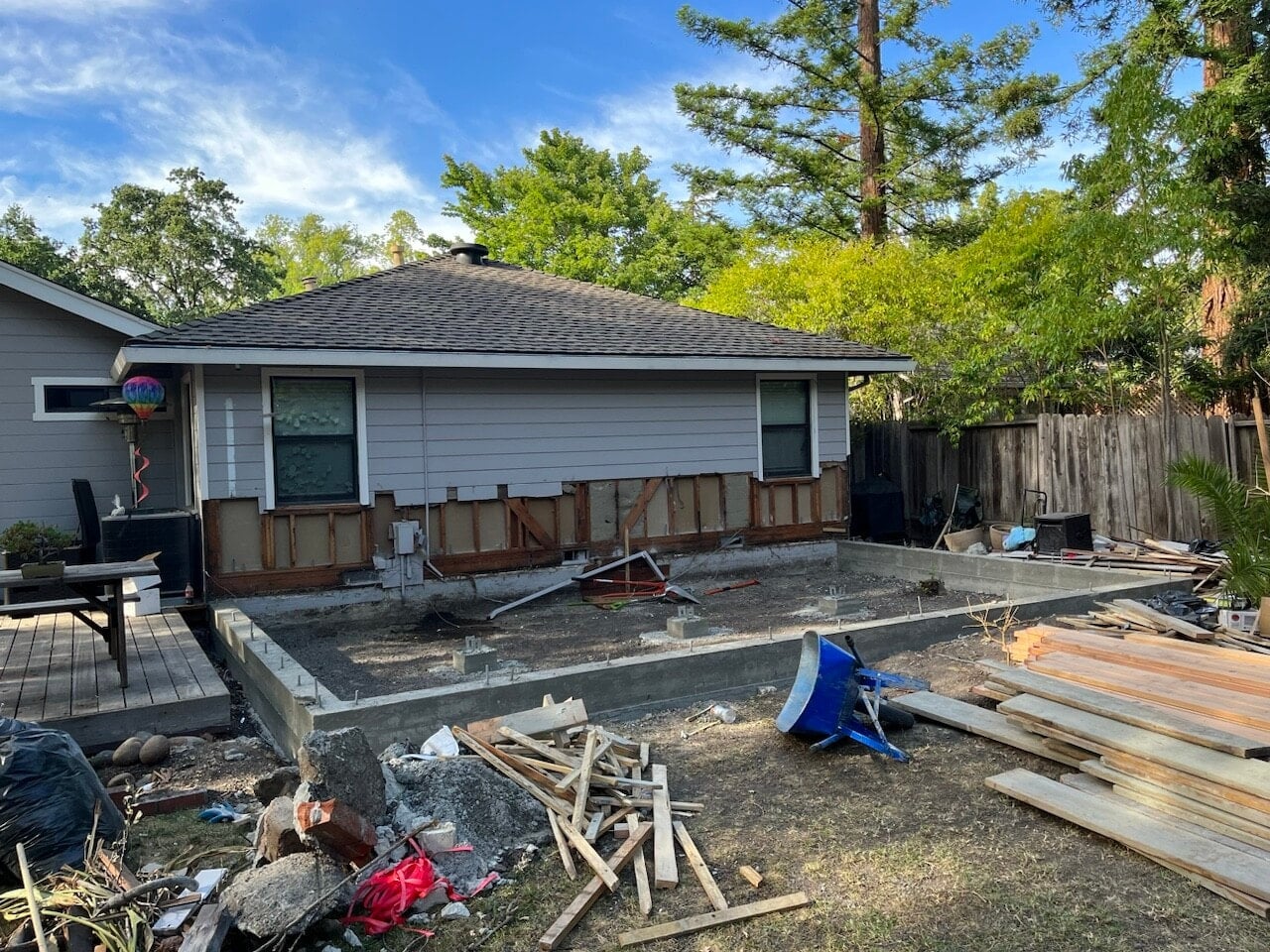
Most Pacific Heights homes sit on narrow San Francisco lots, frequently 25 feet wide or less, built close to the property lines and close to their neighbors. That geometry shapes everything. Horizontal expansion into a side yard is rarely available, so the practical moves tend to be rear additions into the back of the lot, vertical additions that add a floor or expand an attic, dug-down lower levels that reclaim a garage or basement, and reconfigurations that pull a kitchen, primary suite, or family room into space the original plan wasted.
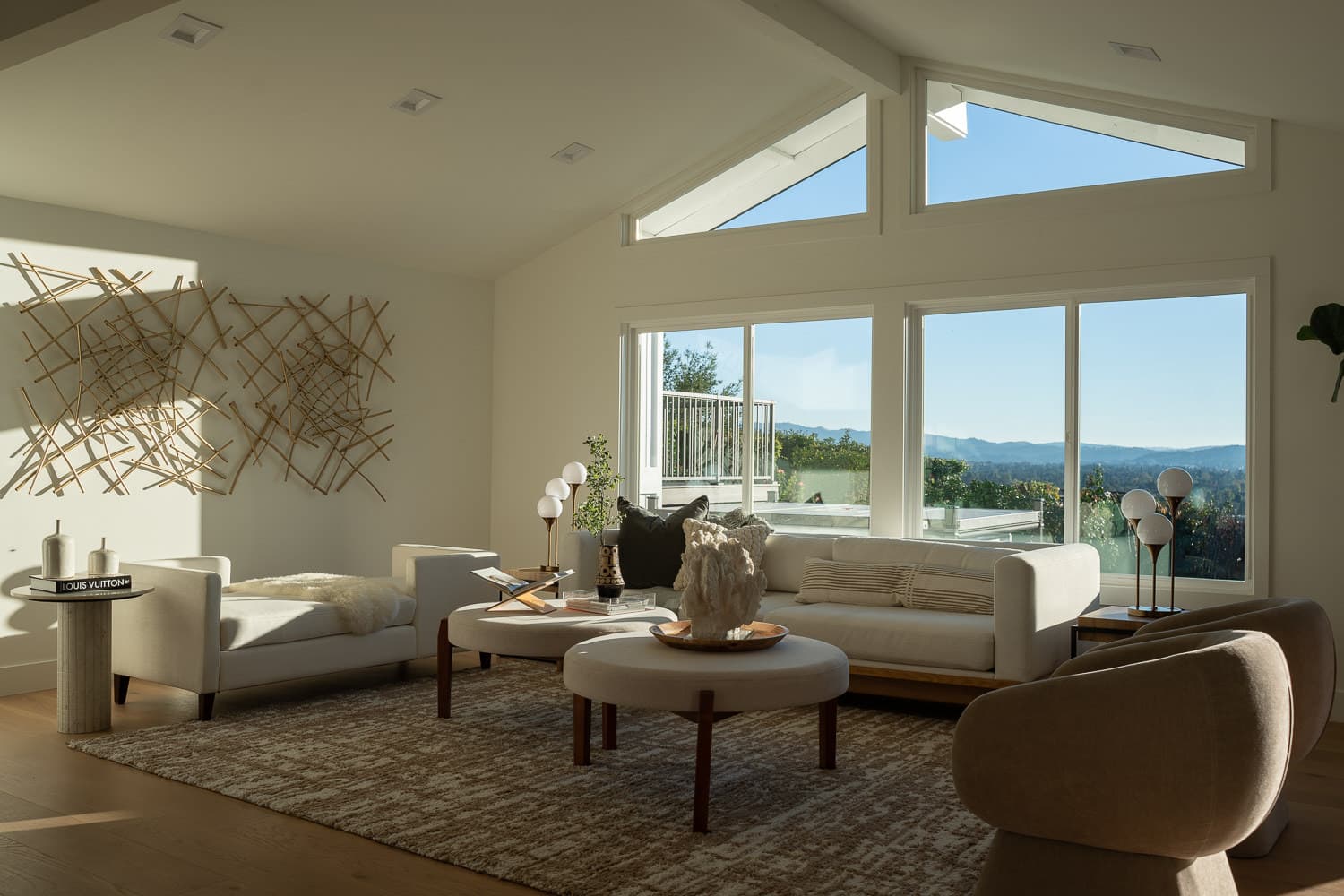
The constraints worth naming early are rear yard requirements, building height limits, light and air to the units and the neighbors, and the way a new volume reads from the street and from the rear. On a sloping ridge lot, a rear addition can also become a chance to capture the Bay and Golden Gate views the upper floors were built to enjoy. Because we build what we draw, the addition gets detailed to match the existing home: the trim profiles, the window proportions, the way an Edwardian facade stays calm and a Victorian facade stays articulated. The new work should look like it was always meant to be there.
The Process: Priced Options and 3D Before the Permit
We start by understanding how you actually live in the home and what the addition needs to solve, then we put priced options in front of you up front. Not a single take-it-or-leave-it number at the end, but real scope and real figures early enough to make decisions with. Before we pull a permit, we produce photoreal 3D renderings of the addition, inside and out, so you can stand in the new room and walk the new facade before demolition begins. In a neighborhood this design-sensitive, those renderings also become a quiet asset when the project goes in front of the city and, where applicable, your neighbors.
In San Francisco, an addition almost always means a Planning approval before the building permit. The Planning Department reviews exterior changes against its Residential Design Guidelines, and additions that expand the building envelope typically trigger neighbor notification, which adds time to the calendar. If your home is an Article 10 landmark, contributes to an Article 10 historic district, or sits in an Article 11 conservation district, the work also runs through historic preservation review. We map that path at the outset, design to clear it, and manage the submittals so the project keeps moving. White-glove project management runs through all of it: one point of contact, a clear schedule, and a jobsite kept clean and respectful where the houses, and the neighbors, are close together.
Frequently Asked Questions
Do I need Planning approval to add on to a home in Pacific Heights?
In almost every case, yes. Additions that expand the building envelope or change exterior features are reviewed by San Francisco Planning against the Residential Design Guidelines, and most require a neighbor notification period before the building permit is issued. We design with those guidelines in mind from the start and handle the submittals so the review goes as smoothly as it can.
How long does a Pacific Heights addition take?
It depends on the scope and whether neighbor notification or historic review applies. Additions that need design review and notification commonly run well over a year from start of design through completion, and projects in historic or more complex situations can take longer. We give you a realistic schedule up front and manage the city timeline so it does not stall.
My house may be historic. Does that change anything?
It can. If your home is an Article 10 landmark, a contributing building in an Article 10 historic district, or located in an Article 11 conservation district, exterior alterations and additions go through historic preservation review. Our approach is to match the original architecture closely enough that the new work reads as original, which is also what tends to satisfy review.
Why design-build instead of hiring an architect and a contractor separately?
With design-build, one team owns both the drawings and the construction, so there is no gap between what was designed and what gets built. You get priced options early, photoreal 3D renderings before permitting, and a single accountable point of contact. On a tight Pacific Heights lot, that coordination is what keeps the budget and the schedule honest.
If you are weighing an addition to your Pacific Heights home, let's start with a conversation about the space, the lot, and what the city will allow. New Key Construction will bring you priced options and 3D renderings before any permit is pulled, one team from first sketch to final walkthrough.