Burlingame homes were not built to be torn down. Walk through Burlingame Park or the Easton Addition and you see Tudor revivals with steep gabled roofs, Spanish-style stucco with arched openings and clay tile, and the kind of period detailing that gives these blocks their identity. Many of these houses sit on generous, mature lots near walkable streets, close to Broadway and Burlingame Avenue. The families who own them rarely want to leave the neighborhood. They want more room: a primary suite, a real family room, a home office, a bigger kitchen, or a full second story that adds square footage without giving up the character that made them buy the house in the first place.
That is exactly what a home addition or a second-story addition is meant to solve. New Key Construction designs and builds additions for Burlingame homeowners who want square footage that looks like it was always there, not like a box bolted onto the back.
What a Burlingame addition usually looks like
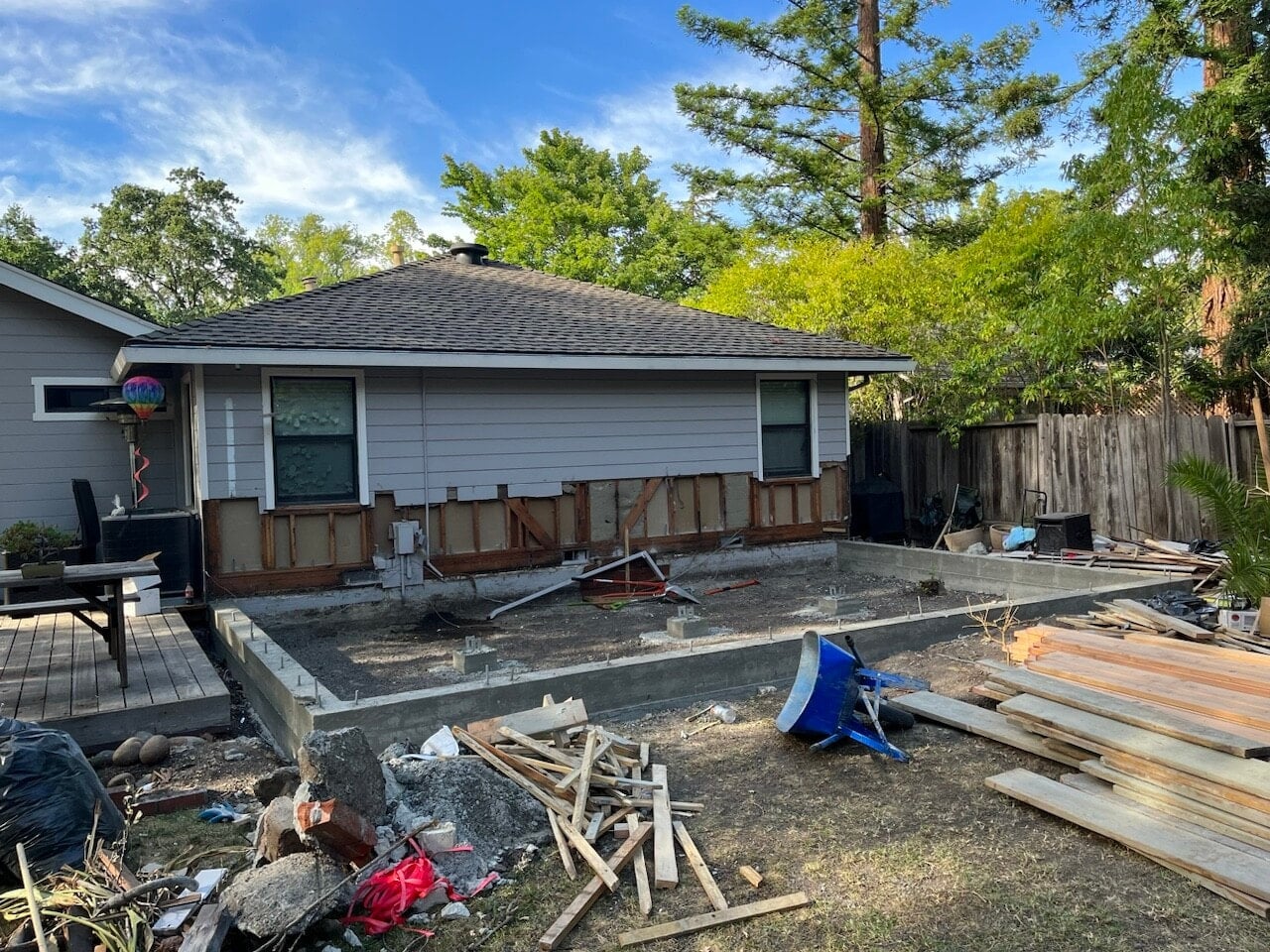
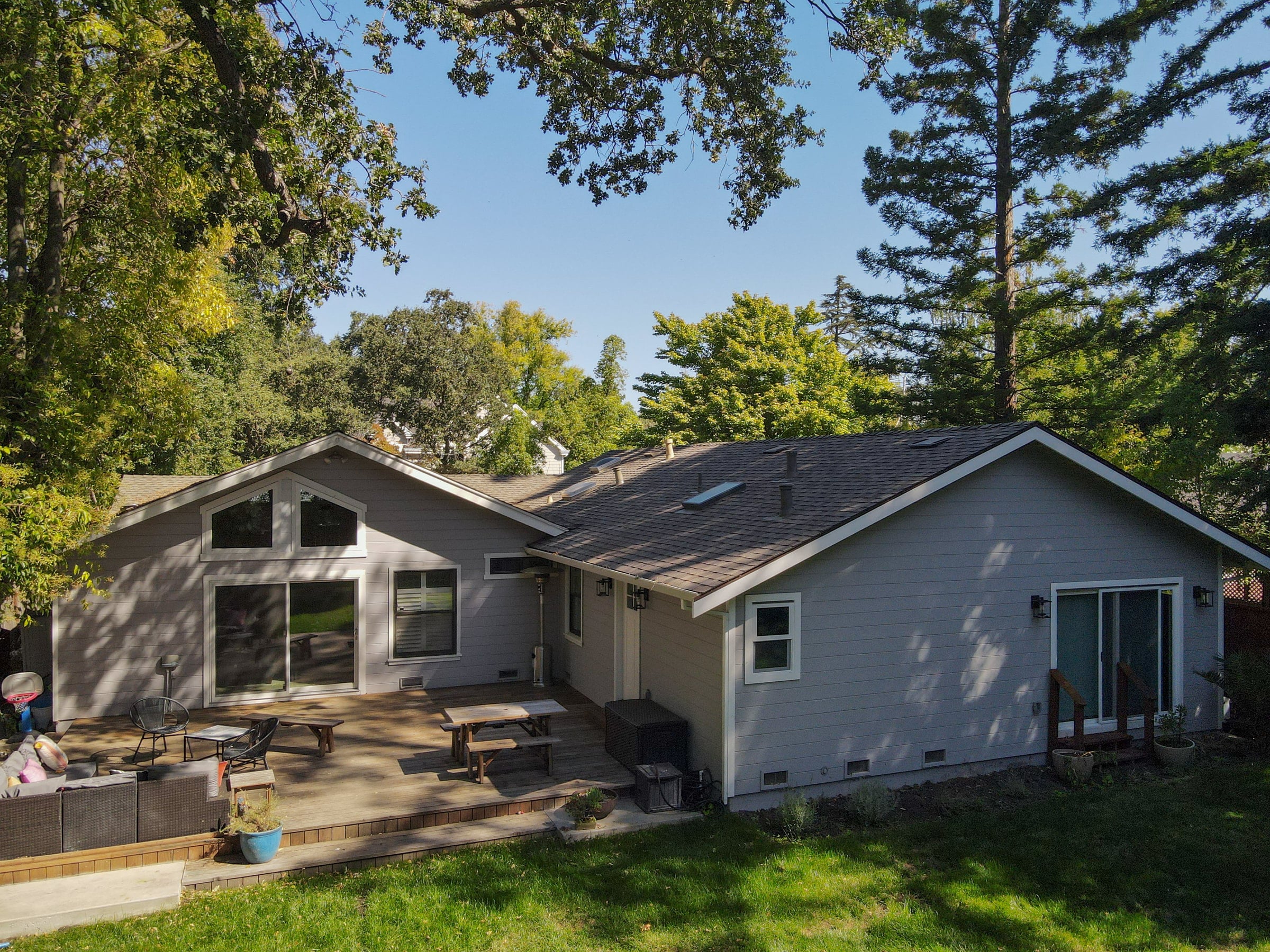
The high-end Burlingame client is not asking for the cheapest path to more square feet. They are asking for the right one. On a constrained lot near the downtown districts, building up with a second story is often the way to gain a full floor of bedrooms and baths while keeping the yard and the garden intact. On a deeper lot, a ground-floor addition to the rear or side can extend the kitchen, open up the living space, and connect the house to the outdoors.
Either way, the work has to respect the existing home. A second story on a Tudor needs roof pitches, dormers, and window proportions that match the original. An addition on a Spanish revival needs the same stucco texture, the same arch language, the same tile. Get this wrong and the house reads as two houses. Get it right and the addition disappears into the architecture. That craft is the entire job, and it is what separates an addition that raises your home's value from one that quietly lowers it.
The Burlingame planning and permit reality
Additions in Burlingame go through the City's Planning Division and Building Division, and the process is more involved here than in many Peninsula towns. Burlingame uses design review, which means projects that add height, change the front of the house, or add a second story are typically evaluated for how they fit the streetscape and the neighborhood character. Homes in or near the recognized historic areas, including the Burlingame Park and Easton Addition districts, draw extra scrutiny, and rightly so.
Practically, that means a second-story addition is not just an engineering question. It is a design question that the City will weigh: massing, setbacks, how tall the addition reads from the sidewalk, how it relates to neighbors, and whether it respects the period character of the block. We do not guess at these constraints or invent numbers about them. We confirm the current zoning, height, setback, and design-review requirements for your specific lot with the City before we promise you anything, because the rules that matter are the ones tied to your address, not a generic checklist.
Why design-build is the right model for this
Most additions go sideways at the seam between the people who designed it and the people who build it. The architect hands off a drawing, the contractor prices it, the number comes back too high, and the homeowner is stuck redesigning under pressure. With a second-story addition, where structure, foundations, and the existing house all interact, that gap gets expensive fast.
New Key Construction is one team for design and build. We design your addition and we construct it, which means the design is grounded in real construction cost from the first sketch. Three things follow from that:
- Priced options up front. You see what each version of the addition actually costs before you commit, not after the drawings are done. If building up costs more than building out for your goals, you will know early.
- 3D renderings before permits. You see your second story or addition rendered against your real house before a single permit is filed. You approve how it looks while it is still easy to change.
- One point of accountability. The team that drew the dormer is the team that frames it. Nobody points fingers across the design-build line, because there is no line.
For a Burlingame addition that has to clear design review and match a period home, that integration is not a luxury. It is what keeps the project on schedule and on budget.
How the process works
We start at your house, on your lot, with your goals: how much square footage, which rooms, up or out, and a realistic budget range. We confirm the planning and permit path for your property with the City. We design the addition to fit your home and the neighborhood, show it to you in 3D, and price the options so you can choose with real numbers in front of you. Then the same team builds it, manages the inspections, and hands you back a home that is bigger and still unmistakably yours.
FAQ
Should I build up with a second story or out with a ground-floor addition in Burlingame?
It depends on your lot, your goals, and the City's rules for your property. On tighter lots near the downtown districts, a second-story addition often adds the most usable square footage while preserving the yard. On deeper lots, a rear or side addition can be simpler and keep everything on one level. We confirm your zoning, height, and setback limits with the City, then show you priced options for both directions before you decide.
Will an addition match my Tudor or Spanish-style home?
That is the point of the design. We match roof pitch, dormer style, window proportions, stucco texture, arches, and tile to the existing house so the addition reads as original, not added on. For period-revival homes in areas like Burlingame Park and the Easton Addition, that fidelity is also what helps a project move through design review.
Does a second-story addition in Burlingame need design review?
Projects that add height, alter the front of the home, or add a second story commonly go through Burlingame's design review process, and homes in or near the historic districts get additional attention. We do not promise an outcome. We confirm the current requirements for your specific address with the City's Planning Division and design the addition to fit those constraints from the start.
How does design-build save me time and money on an addition?
Because one team designs and builds, the design is priced against real construction cost from the beginning, so you avoid the redesign loop that happens when a separate architect's drawings come back over budget. You get priced options and 3D renderings before permits, which means fewer surprises and one team accountable from first sketch to final inspection.
Can we keep living in the house during the addition?
Often yes, especially for a ground-floor addition where the existing home stays largely intact. A full second-story addition is more disruptive because of the structural work and the roof, and there are stretches where staying elsewhere is more comfortable. We walk you through what to expect for your specific project before construction starts so there are no surprises.