Custom Home Builds in St. Helena, Built for Upvalley Living
St. Helena is the refined heart of the upper Napa Valley, and the homes here reflect it. Along Main Street and the older residential blocks you find restored Victorians, Craftsman bungalows, and stone-and-timber cottages that the city protects with real care. Push out past the city limits toward the vineyards and the vocabulary shifts to estate scale: low modern farmhouses, board-and-batten guest houses, pool pavilions, and barns reworked into living space, all sited to frame the rows of vines and the hills beyond.
What a high-end client in St. Helena actually wants is rarely "big." It is a home that feels quietly expensive and deeply local. That means natural materials that age well, board-formed concrete, reclaimed oak, standing-seam metal, stone that looks like it came from the property. It means indoor-outdoor flow for the long dry summers, deep overhangs and shade for the heat, and a kitchen and entertaining space built for hosting. People who choose St. Helena over flashier addresses tend to value restraint, craft, and a build that respects the agricultural land it sits on.
The St. Helena Planning and Permit Reality
Building in St. Helena is not like building on an open suburban lot, and pretending otherwise is how projects stall. The constraints are real and worth understanding before you design anything.
Inside the city, much of the older housing stock sits in or near historically sensitive areas, so exterior changes and new construction can trigger design review focused on scale, massing, materials, and how a project reads from the street. The point is compatibility with neighbors, not stopping you from building.
Outside the city, in unincorporated Napa County, the bigger forces are agricultural and environmental. Land in the valley is heavily protected for vineyard and farm use, which shapes where a residence and its accessory buildings can go and how large they can be. Hillside parcels add slope and grading limits, drainage and erosion control, and tree protection. Much of the upvalley also falls within elevated wildfire hazard zones, which drives ignition-resistant materials, defensible space, ember-resistant detailing, and access and water requirements that need to be designed in from the start, not bolted on later.
Then there is the ground itself. Water supply on rural parcels, septic capacity, well permits, setbacks from creeks and waterways, and getting utilities to a remote building site can each move a budget more than the finishes do. None of this should scare a serious owner. It just means the smart move is to surface these realities early, while the design is still on paper and changes are free.
Why Design-Build Is the Right Model Here
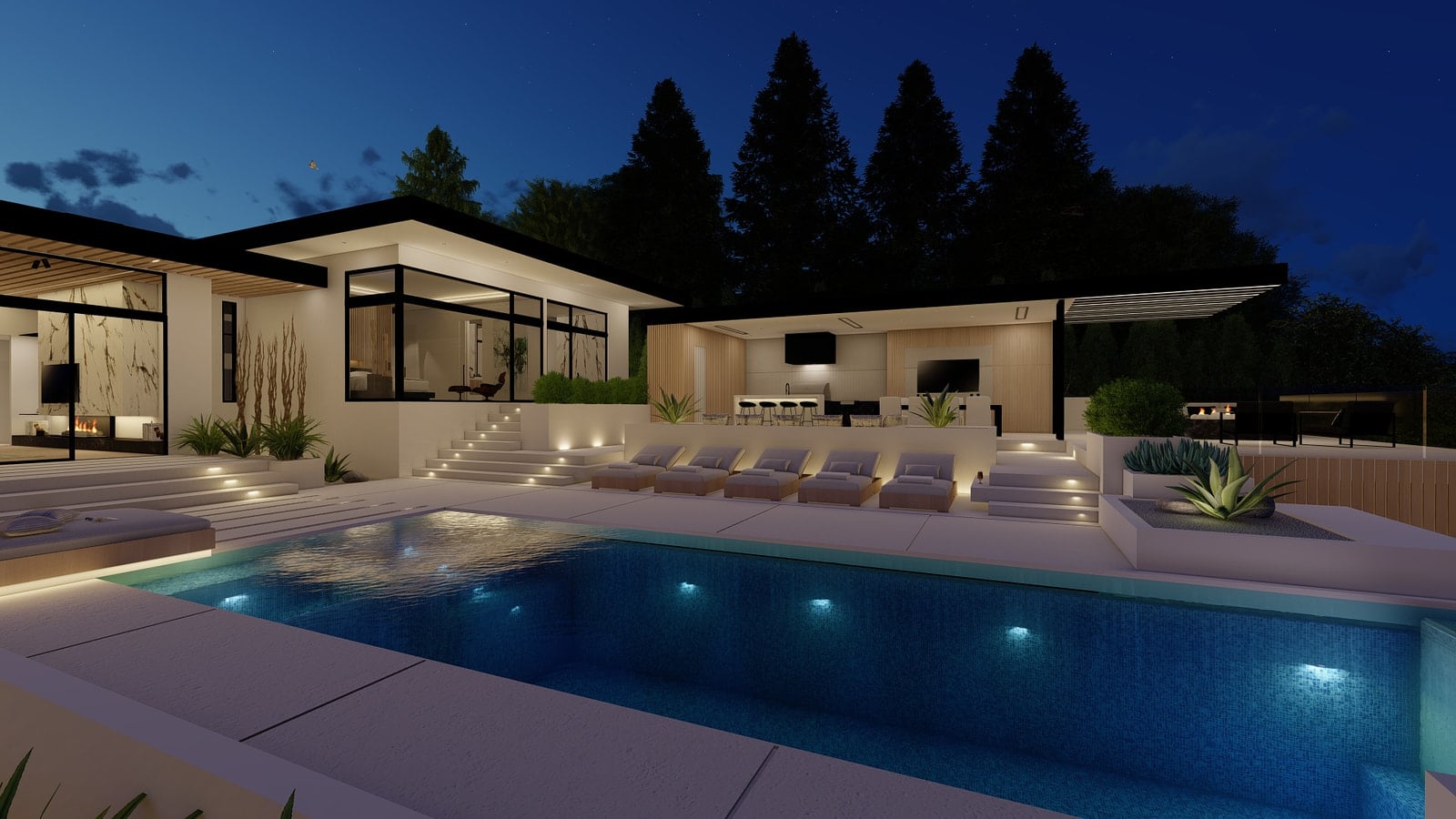
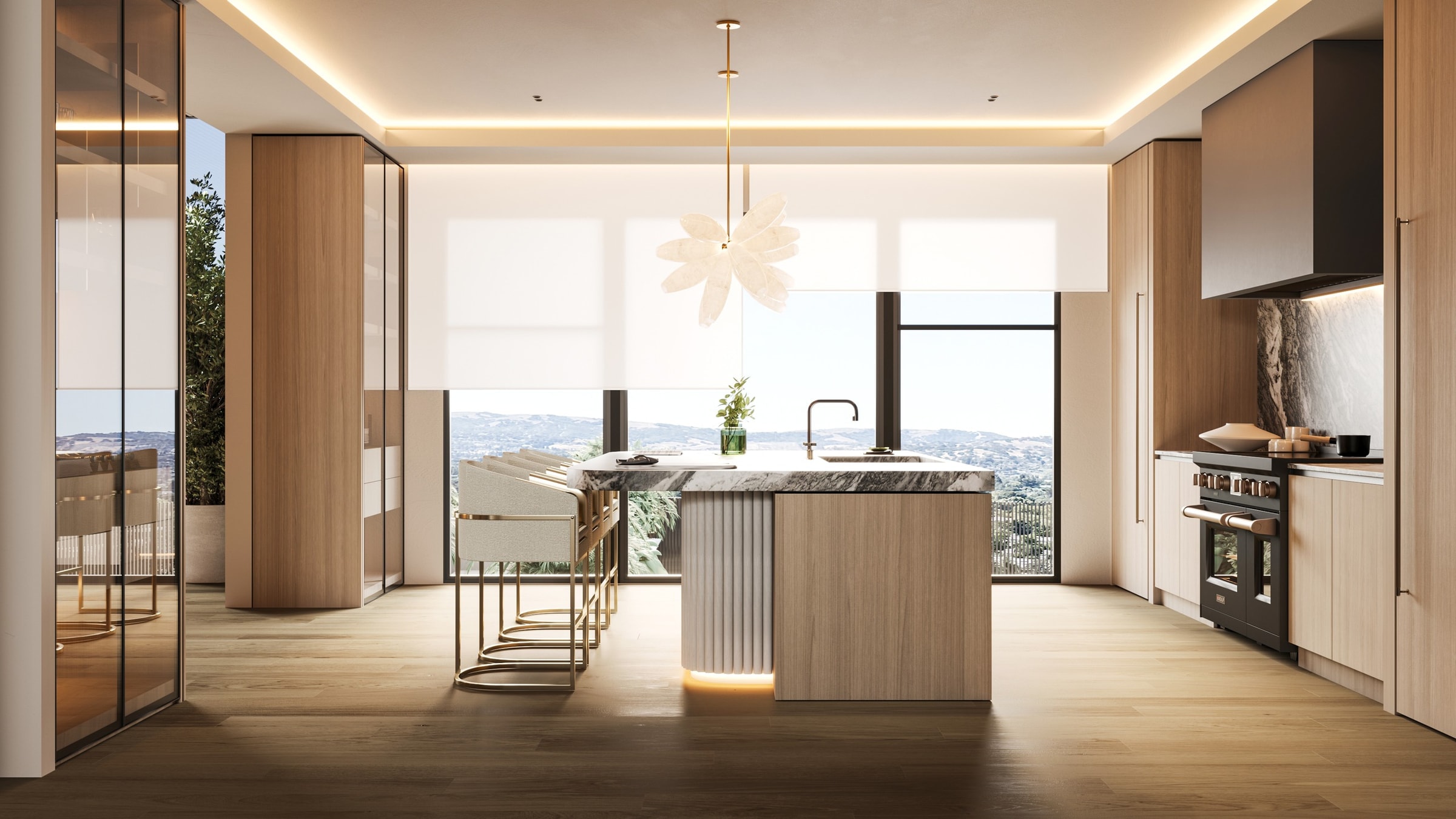
This is the line that matters: with New Key Construction you get one team for design and build, priced options up front, and 3D renderings before you commit to permits.
In the conventional path you hire an architect, wait for drawings, then send those drawings to contractors and discover the design costs far more than you were told. In St. Helena, where review timelines and site constraints already add complexity, that disconnect is expensive. Our design-build model collapses it. The people drawing your home are accountable to the same budget as the people building it, so design decisions are tested against real construction cost as they are made, not months later.
Up front means up front. Before you spend on a full permit set, you see your home in 3D and you see priced options, where a vaulted ceiling, a different stone, or a larger guest wing lands on the budget. You make those calls with information, which is exactly what a discerning St. Helena owner expects.
How a Project Moves
We start with discovery: your site, your program, how you actually live, and an honest read of the planning path your specific parcel faces. From there we move into design and 3D rendering, so you can walk through the home and adjust massing, light, and materials while it is still inexpensive to change. We price options as we go, then prepare and run the permit and review submittals, coordinating with the city or county as the parcel requires. Construction follows with the same team that designed it, which keeps the finished home faithful to the renderings you approved. Through all of it you have one point of accountability rather than a handoff where the design intent gets lost.
Materials and Craft That Suit the Valley
Upvalley homes look best in materials that belong to the landscape and improve with time. We lean toward natural stone, warm woods, steel windows, plaster, and roofing that handles sun and the occasional storm. Detailing is done with wildfire resilience in mind where the site demands it, which in much of St. Helena it does. The goal is a home that feels rooted, ages gracefully, and looks like it was always meant to be there.
If you are weighing a new custom home, a substantial remodel, or an estate compound with guest and pool structures in or around St. Helena, New Key Construction can take you from first sketch through final walkthrough with a single team.
FAQ
Do you handle both downtown St. Helena lots and rural vineyard parcels?
Yes. They are different problems. Downtown and older residential lots tend to involve design and historic compatibility review, while rural and hillside parcels bring agricultural protections, slope and grading limits, septic and water questions, and wildfire requirements. We assess which set applies to your specific parcel before we design.
What does the design-build approach actually change for me?
You work with one team instead of refereeing between an architect and a separate contractor. Design decisions are priced against real construction cost as they are made, so you avoid the classic surprise of a beautiful drawing you cannot afford. You also approve 3D renderings and priced options before committing to a full permit set.
Why do you produce 3D renderings before permitting?
Because changes are free on screen and expensive on a job site. Seeing your home in 3D and reviewing priced options early lets you finalize massing, light, and materials with real information, which also makes design or historic review smoother because the project is resolved before it is submitted.
How do wildfire requirements affect a St. Helena build?
Much of the upvalley sits in elevated wildfire hazard zones, which can call for ignition-resistant materials, ember-resistant detailing, defensible space, and specific access and water provisions. We design these in from the start rather than treating them as an afterthought, so they shape the home rather than compromise it.
Can you give me a fixed cost before design is finished?
Not an honest one. On St. Helena parcels, factors like site access, water, septic, grading, and review can move a budget meaningfully. What we can do is give you priced options as the design develops, so the number tightens with each decision and there are no surprises at the end.